

The Evolution of Bottle Mould Technology: Shaping the Future of Packaging

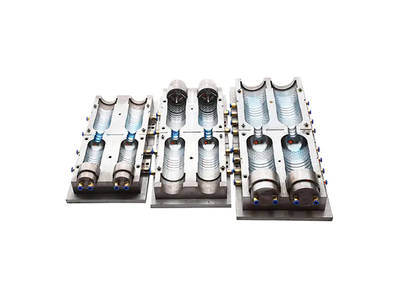
Bottles have been an essential part of human life for centuries, serving as containers for liquids, powders, and various other substances. Over time, the design and production of bottles have evolved significantly, with bottle mould technology playing a pivotal role in this transformation. This article delves into the world of bottle moulds, exploring their history, technological advancements, and their impact on the packaging industry.
The Origins of Bottle Moulds
To understand the evolution of bottle moulds, we must first look back at their origins. Early civilizations relied on crude forms of containers made from clay, animal bladders, and natural materials. It wasn't until the invention of glassblowing in ancient Rome that the concept of molded bottles began to take shape. The craftsmanship required for these early glass bottles was labor-intensive and limited to the elite.
The Industrial Revolution and Moulding Innovation
The Industrial Revolution brought about a revolution in manufacturing processes, including bottle production. The invention of metal and ceramic moulds allowed for more standardized and efficient bottle production. This chapter explores the key innovations during this era and their impact on the availability of bottles for everyday use.
Plastics and the Birth of Injection Moulding
The 20th century ushered in a new era of bottle production with the invention of plastics. Injection moulding, a process that revolutionized the industry, enabled the mass production of plastic bottles. This chapter discusses the development of plastic materials, moulding techniques, and their influence on packaging.
Precision and Automation
Advancements in automation and computer-aided design (CAD) have further refined bottle mould technology. Modern moulds are designed with precision, allowing for intricate bottle shapes and sizes. Robotics and artificial intelligence (AI) play a significant role in optimizing production efficiency and quality control.
Sustainability and Eco-Friendly Materials
As environmental concerns grow, the packaging industry faces pressure to reduce its ecological footprint. This chapter explores how bottle mould technology has adapted to accommodate eco-friendly materials such as bioplastics and recycled plastics. It also discusses the importance of designing bottles for recycling and sustainability.
Customization and Personalization
Consumers increasingly seek unique and personalized products, leading to a demand for customized bottles. This chapter explores how bottle mould technology has evolved to enable mass customization, allowing brands to create distinctive packaging that resonates with their target audiences.
Future Trends and Challenges
The future of bottle mould technology promises exciting possibilities, including the integration of smart packaging, nanotechnology, and 3D printing. However, it also faces challenges such as stricter regulations, supply chain disruptions, and the need for continuous innovation.
Innovations in Material Science
One of the most exciting frontiers in bottle mould technology is the ongoing innovations in material science. Researchers are exploring new materials that are not only sustainable but also possess unique properties, such as enhanced barrier properties, lightweight construction, and improved durability. These materials can enable bottles to withstand extreme conditions and extend the shelf life of the products they contain. Advanced polymers, bio-based materials, and nanocomposites are just a few examples of the materials that hold the potential to revolutionize the packaging industry. Bottle mould technology will play a crucial role in adapting to and optimizing the production processes for these innovative materials.
Global Impact and Cultural Significance
Beyond the technical advancements and industrial applications, bottle mould technology has had a profound global impact and cultural significance. Bottles have become symbols of convenience, preservation, and even luxury. They carry the stories of different cultures and traditions, from ancient amphorae to contemporary glass artistry. Additionally, bottles have played pivotal roles in public health through the safe storage and transportation of potable water and medicines. Understanding the evolution of bottle mould technology allows us to appreciate not only the engineering marvels but also the profound cultural, economic, and environmental implications of this essential aspect of our daily lives.
- In conclusion, the evolution of bottle mould technology has been a journey from ancient craftsmanship to modern precision engineering. It has transformed the way we store, transport, and consume liquids and other substances. Looking ahead, the future holds exciting possibilities as bottle moulds continue to adapt to changing consumer preferences, sustainability demands, and emerging technologies. Whether it's a glass perfume bottle, a plastic water bottle, or a cutting-edge smart container, bottle mould technology remains at the heart of packaging innovation, shaping the future of how we interact with the products we use every day.bottle mould technology has come a long way since its humble beginnings. From ancient glassblowing to precision injection moulding, it has shaped the way we package and consume liquids. As we navigate the complexities of the 21st century, bottle mould technology will continue to evolve, addressing sustainability concerns and catering to consumer preferences. The future of packaging is being shaped by the continuous innovation in bottle moulds, ensuring that our bottles remain as diverse and essential as ever.
Send product request
Other supplier products
 |
B0023-FS-2 Only Peach Women Body Lotion | Only Peach Women Body Lotion, a luxurious treat for your skin infused with a delightful fragrance that captivates the senses. At the forefront of t... |
 |
industrial sewing machine spares | At JINZEN, we take immense pride in our diverse and comprehensive product range, catering to every aspect of sewing machine accessories and auxilia... |
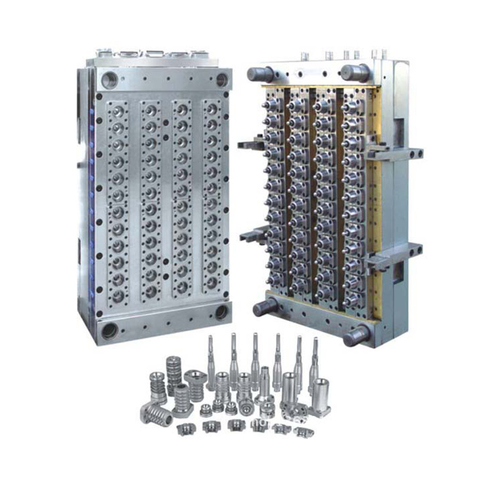 |
Sprayer Pump Mould Company | In the realm of manufacturing, creating a Sprayer Pump Mould demands meticulous attention to detail, precision, and an in-depth understanding of va... |
 |
Vulcanizing agents | Vulcanizing agents are essential in the rubber industry, providing a range of benefits that enhance the properties of rubber products. These chemic... |
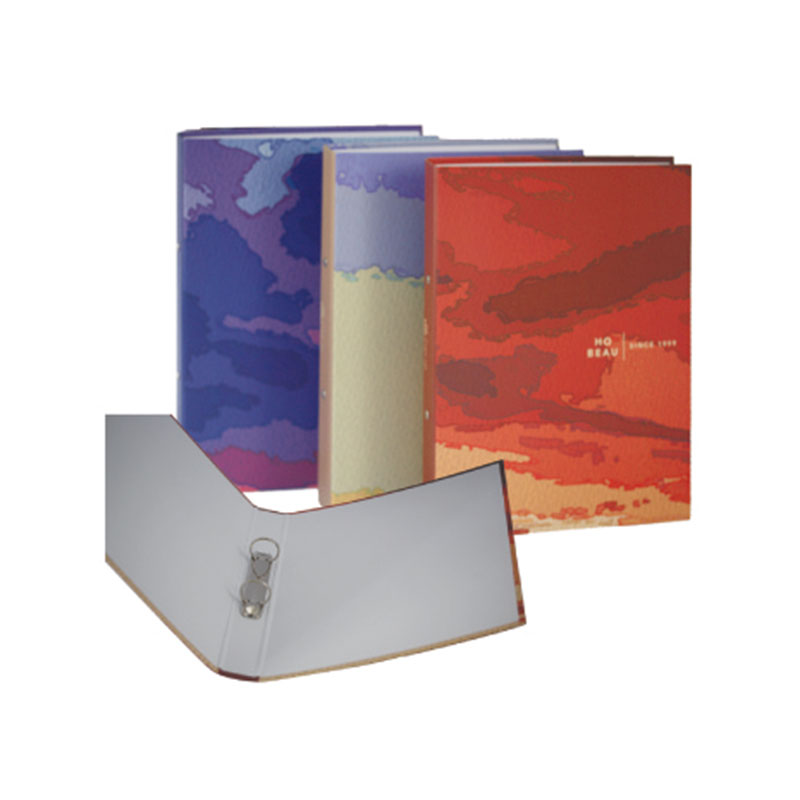 |
Cardboard File Folder Storage Organizer | 我们的纸板文件夹存储整理器的结构设计经过精心设计,以提高可用性和耐用性。该整理器采用加固边缘和坚固结构,即使频繁使用也能保持其完整性。分隔板和隔间的加入进一步增强了整理功能,可以高效地对文件进行分类和检索。此外,可折叠设计确保不使用时方便存放,从而优化工作空间内的空间利用率。 < ; |
Same products
 |
FT wax used for EVA-based hot melt adhesive | Seller: Syntop chemical Co.,Ltd. | Fischer-Tropsch wax is a commonly used performance modifier in hot melt adhesives, especially for... |
 |
high melting point FT wax improve the heat resistance of adhesives | Seller: Syntop chemical Co.,Ltd. | FischerTropsch wax is an alkane polymer produced from synthesis gas or natural gas via the Fische... |
 |
For hot melt adhesive high melting point FT WAX | Seller: Syntop chemical Co.,Ltd. | The key advantage of high-melting-point Fischer-Tropsch wax in hot-melt adhesives stems from its ... |
 |
Diesel Injection Delivery Valve 1W6982 Diesel Injection Delivery Valve 19A | Seller: China lutong | Diesel Injection Delivery Valve 1W6982 Diesel Injection Delivery Valve 19AChris Diesel Injection... |
 |
High melting point FT wax used as plastic processing additives | Seller: Syntop chemical Co.,Ltd. | Due to its high purity, low oil content, narrow melting range, high hardness, and excellent therm... |

