

Textile Grade CMC

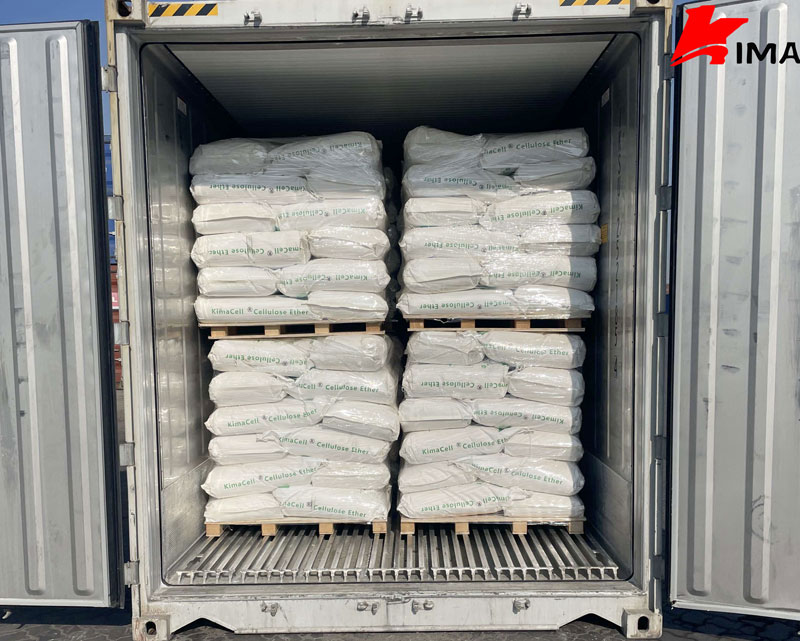
CMCtextile(Sodium Carboxymethyl Cellulose) is a type of cellulose derivative that is used in the textile industry as a thickener, binder, and sizing agent.
It is a water-soluble cellulose ethers made by reacting refined cotton with sodium hydroxide and monochloroacetic acid.In the textile industry, textile grade CMC is used in a variety of applications, including as a thickener for printing pastes, as a sizing agent for yarns and fabrics, and as a binder for pigments and dyes. It is also used as a stabilizer and emulsifier for various textile formulations.Textile grade CMC can improve the quality of textile products by providing better color penetration, increased strength and durability, and improved resistance to abrasion and wrinkling. It is commonly used in the production of textiles, such as cotton, silk, wool, and synthetic fibers.
How To Use Textile Grade CMC?
To use textile grade CMC, it is typically first dissolved in water at a concentration of 0.5-2%. The solution should be stirred thoroughly until the CMC is completely dissolved. The resulting solution can then be added to the textile processing bath or applied to the textile surface as needed.
Sizing: Textile grade CMC can be used as a sizing agent for cotton and synthetic fibers to improve their strength and elasticity. It is usually added to the sizing bath at a concentration of 0.5-2%, depending on the fiber type and desired effect.
Printing: Textile grade CMC can be used as a thickener and stabilizer for textile printing pastes. It is added to the printing paste at a concentration of 0.5-2%, depending on the pigment concentration and desired viscosity.
Dyeing: Textile grade CMC can be used as an auxiliary agent for dyeing to improve the penetration and fixation of dyes onto fibers. It is added to the dye bath at a concentration of 0.5-2%, depending on the dye type and fiber type.
Finishing: Textile grade CMC can be used as a finishing agent to improve the hand feel and appearance of textiles. It is usually added to the finishing bath at a concentration of 0.5-1%.
If you are looking for reliable hydroxypropyl cellulose suppliers, please choose us, and we will be your best partner.
Send product request
Other supplier products
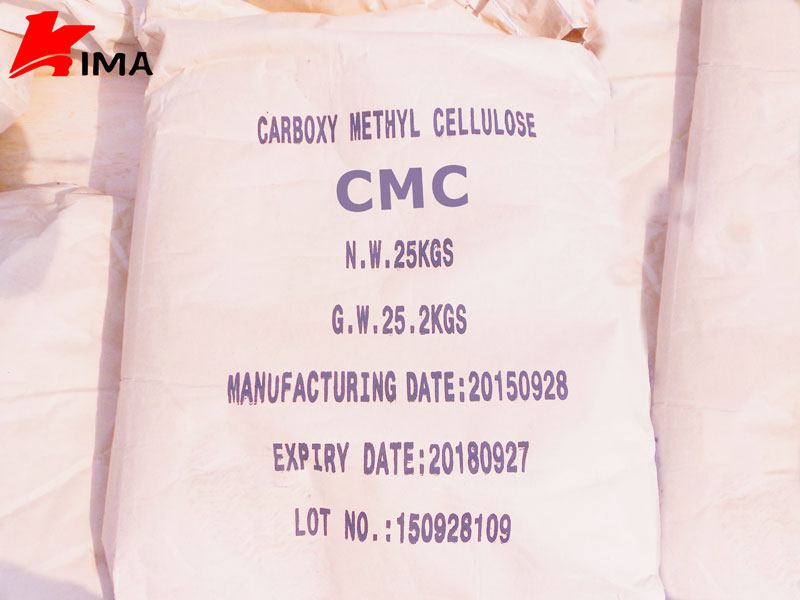 |
Carboxymethyl Cellulose (CMC) Wholesale | Carboxymethyl Cellulose(CMC), known as Cellulose gum, is a high-polymer cellulose ether obtained by chemically modifying natural cellulose.CMC is a... |
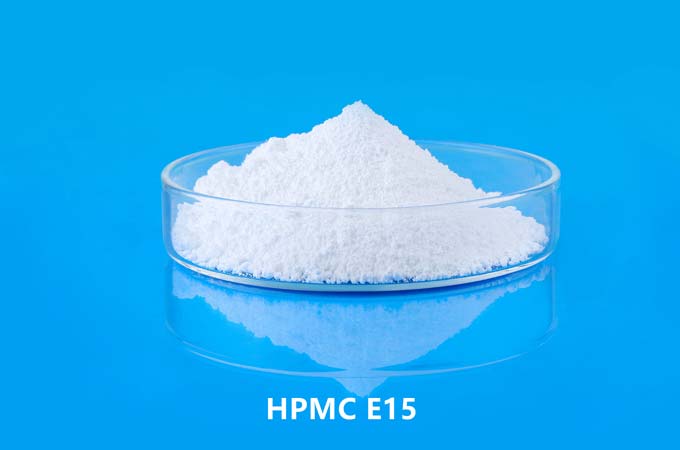 |
HPMC E15 | KimaCell®HPMC E15 Hydroxypropylmethylcellulose is a water-soluble cellulose polymer that helps optimize the solubility enhancement of poorly so... |
 |
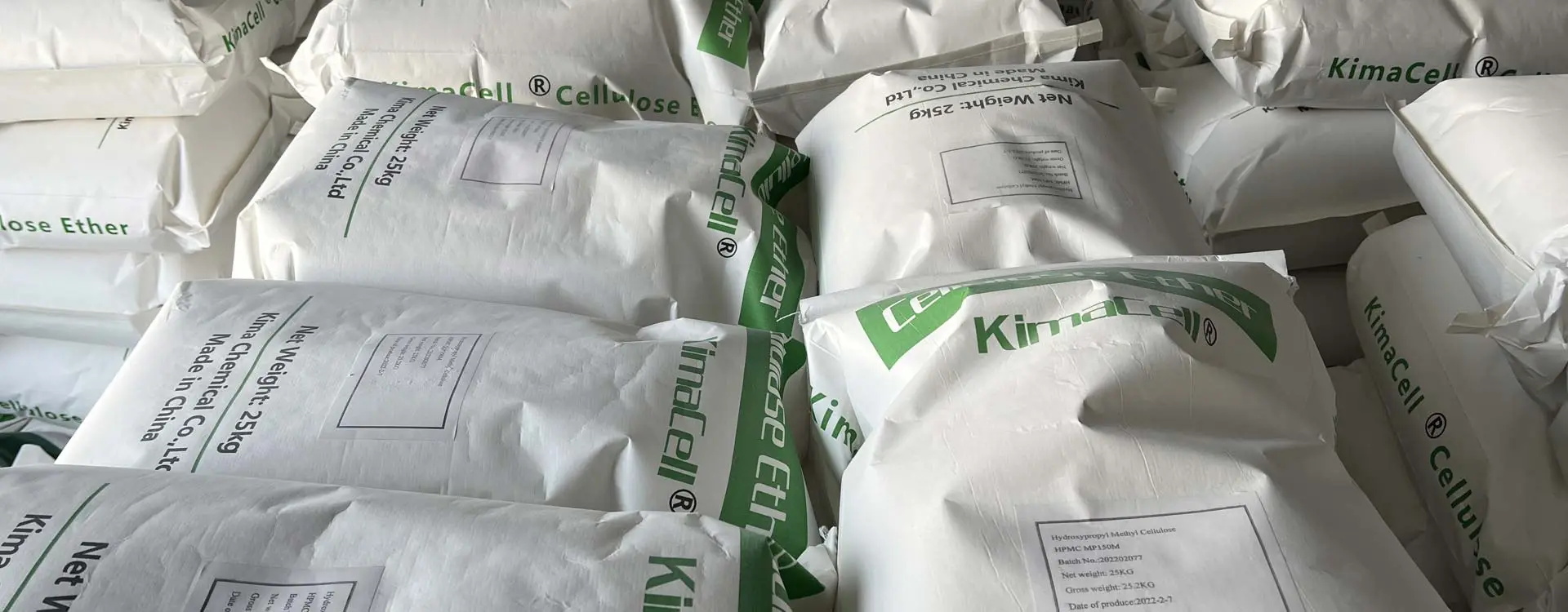
Food Grade CMC | Food Grade CMC refers to a type of food additive known as sodium carboxymethyl cellulose, which is derived from cellulose, a naturally occurring su... |
 |
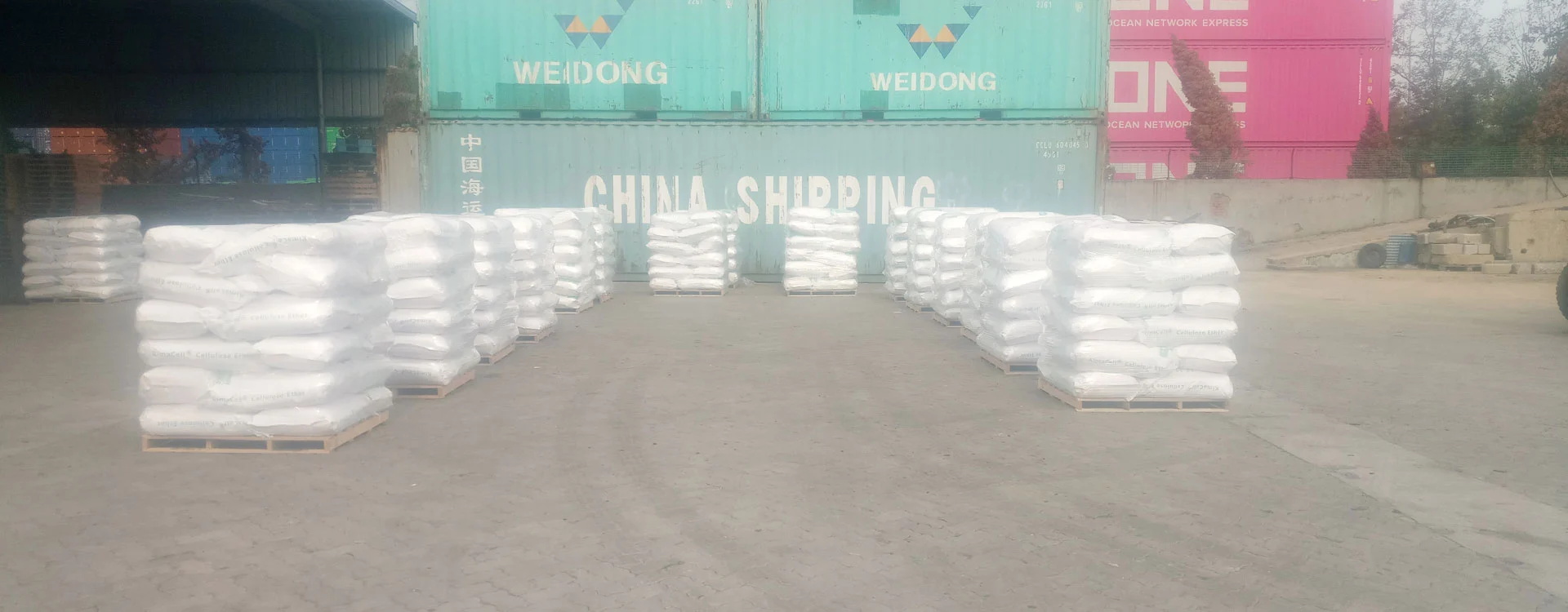
HPMC for Detergent | HPMC (Hydroxypropyl methylcellulose) is a commonly used additive in detergents to improve their performance and quality. HPMC is a water-soluble... |
 |
Detergent Grade CMC | Carboxymethyl cellulose (CMC) is a versatile ingredient that has revolutionized the detergent industry. With its unique properties and numerous adv... |
Same products
 |
Chemical Products for Industrial Applications | Seller: Huanuo Electric Co., Ltd. | Our chemical products are developed for a wide range of industrial applications, including manufa... |
 |
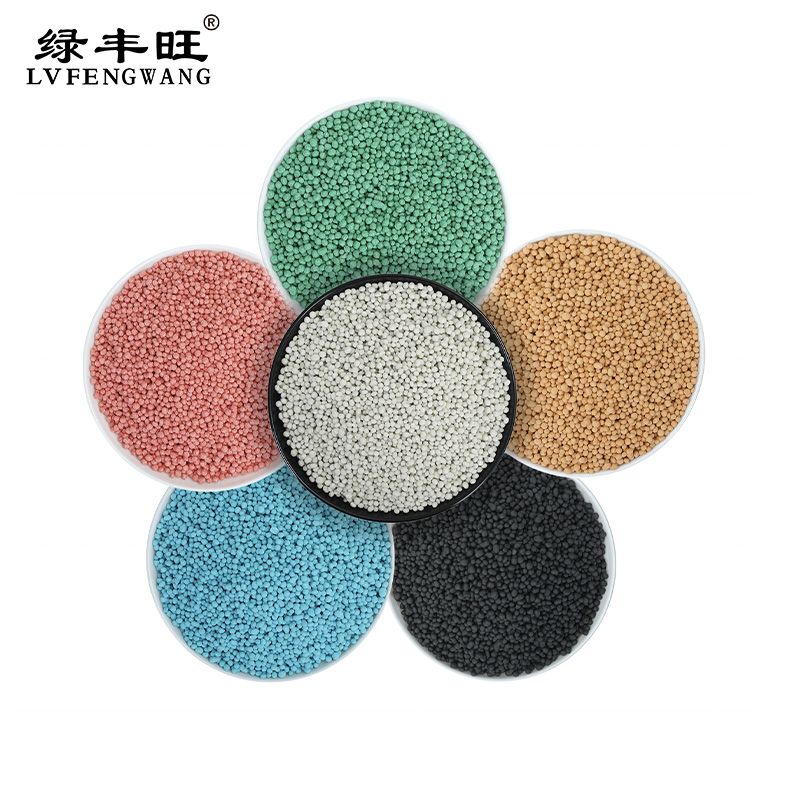
NPK 13-5-40+TE Water-soluble Fertilizer | Seller: Hebei Lvwang Ecological Fertilizer Co., Ltd. | NPK 13-5-40+TE Water-soluble Fertilizer for Vegetables and Fruits NPK 13-5-40+TE water-soluble f... |
 |
China Fertilizer Factory NPK 12-24-12 Compound Fertilizer for Rice | Seller: Hebei Lvwang Ecological Fertilizer Co., Ltd. | China Fertilizer Factory NPK 12-24-12 Compound Fertilizer for Rice NPK 12-24-12 compound Fertili... |
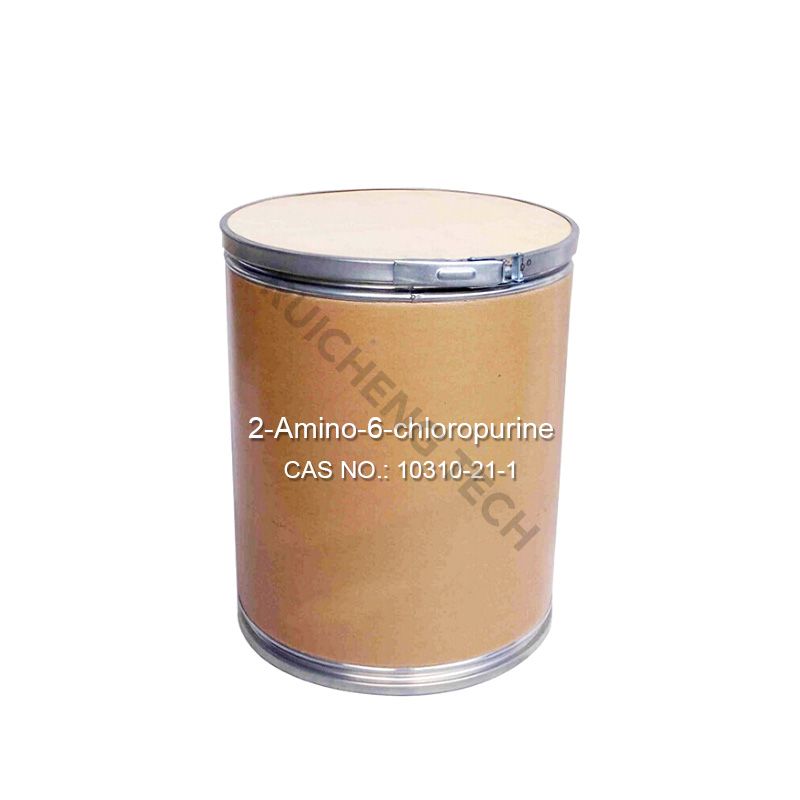 |
2-Amino-6-chloropurine 10310-21-1 | Seller: Xinxiang Ruicheng Technology Co.,Ltd. | 2-Amino-6-chloropurine 10310-21-1 2-Amino-6-chloropurineis a reactive purine compound used as a ... |
 |
Xanthine 69-89-6 | Seller: Xinxiang Ruicheng Technology Co.,Ltd. | Xanthine 69-89-6 Xanthineis a natural purine base that serves as a key intermediate in purine me... |

