

Argon (Ar)


WA:+86 132 6275 2056
WEB: std-coatings.com
Introduction
Argon (Ar) is a noble gas known for its inertness and non-reactivity, making it an essential resource in various industrial, scientific, and medical applications. With an atomic number of 18 and an atomic weight of 39.948. argon is the third most abundant noble gas in the Earth’s atmosphere, comprising about 0.93% by volume.
Properties of Argon
Argon is a colorless, odorless, and tasteless gas with a boiling point of -185.9°C (-302.6°F) and a freezing point of -189.4°C (-308.9°F). It is chemically inert, meaning it does not readily react with other substances under normal conditions. This inertness is a key property that makes argon valuable in applications where contamination or chemical reactions need to be minimized.
Key Properties
Atomic Number: 18
Atomic Weight: 39.948
Boiling Point: -185.9°C (-302.6°F)
Freezing Point: -189.4°C (-308.9°F)
Density: 1.784 g/L at standard conditions
Inertness: Chemically inert and non-reactive
Applications of Argon
- Industrial Uses
Welding: Argon is widely used as a shielding gas in welding processes, such as Gas Tungsten Arc Welding (GTAW) and Gas Metal Arc Welding (GMAW). Its inert nature protects the weld area from oxidation and contamination, ensuring high-quality welds.
Metallurgy: Argon is used in the production of specialty metals and alloys, such as stainless steel and titanium, to prevent oxidation and contamination during melting and casting processes.
Glass Manufacturing: Argon is used to fill the space between glass panes in double-glazed windows, providing insulation and reducing heat transfer.
- Scientific Research
Laboratory Applications: Argon is used in analytical instruments such as mass spectrometry and gas chromatography to provide an inert carrier gas. It is also used in cryogenic experiments to create low-temperature environments.
Particle Physics: Argon is used in detectors for particle physics experiments, where its inertness helps maintain the integrity of the experimental setup.
- Medical Uses
Cryotherapy: Liquid argon is used in cryotherapy to freeze and destroy abnormal tissues, such as tumors and skin lesions.
Medical Imaging: Argon is used in some types of medical imaging equipment, such as MRI machines, to provide a stable and inert environment.
- Food and Beverage Industry
Food Preservation: Argon is used in modified atmosphere packaging (MAP) to displace oxygen and extend the shelf life of perishable products. It helps prevent oxidation and spoilage.
Beverage Carbonation: Argon can be used in place of carbon dioxide to carbonate beverages, providing a smoother and less acidic taste.
- Production of Argon
Argon is primarily produced through the separation of air, which contains approximately 0.93% argon by volume. The most common production method involves cryogenic distillation of air, a process similar to that used for producing nitrogen and oxygen. The steps include:
Air Compression: Air is compressed to increase its pressure.
Purification: The compressed air is passed through filters to remove contaminants such as water vapor and carbon dioxide.
Cooling and Liquefaction: The purified air is cooled to extremely low temperatures, causing it to liquefy.
Distillation: The liquid air is fractionally distilled to separate argon from nitrogen and oxygen. Argon is typically extracted from the distillation column as a liquid and then re-gasified for storage and distribution.
Safety Considerations
- Handling and Storage
Argon must be handled and stored with care. It is typically stored in high-pressure cylinders or cryogenic tanks. Proper ventilation is essential to prevent the buildup of argon gas, which can displace oxygen and lead to asphyxiation.
- Health Hazards
While argon is non-toxic, high concentrations can displace oxygen in the air, leading to asphyxiation. Liquid argon is extremely cold and can cause severe frostbite upon contact with skin. Protective equipment such as gloves and eye protection should be worn when handling liquid argon.
- Regulatory Compliance
The use and handling of argon are regulated by various safety standards and guidelines. Compliance with these regulations is essential to ensure the safe use and transportation of this gas.
Conclusion
Argon is a versatile and essential gas with a wide range of applications in industry, science, and medicine. Its inert nature and ability to prevent oxidation make it invaluable in processes where contamination or chemical reactions need to be minimized. With proper handling and safety measures, argon remains a safe and reliable resource in modern technology and industry.
Send product request
Other supplier products
 |
Wood grain powder coating | Product introduction Conventional series wood grain – suitable for standard decorative purposes; E series high-definition wood grain &ndash... |
 |
Polyester based powder coating White | Getaquote whats/app:+86 132 6275 2056 WEB: std-coatings.com Product Description MT-OA010G is a polyester based powder coating, formulated witho... |
 |
PVF oil pipe coating | Getaquote whats/app:+86 132 6275 2056 WEB: std-coatings.com Product Introduction Used for automobile oil pipes. PVF coating characteristics: ... |
 |
Powder coating for New energy | Introduction Insulating powder coatings protect the strong power of new energy vehicles. The new energy vehicle market has developed rapidly in t... |
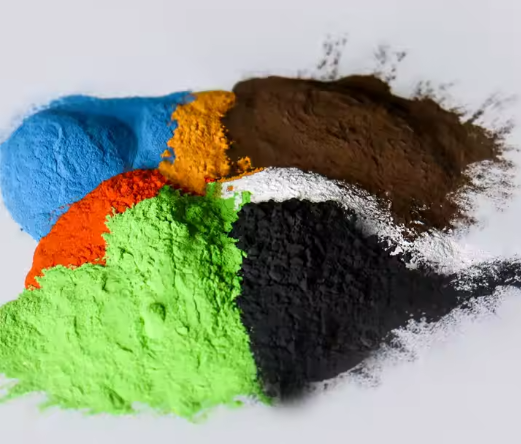 |
Toy Powder Coating | We are a Chinese factory with over 20 years of export experience, supplying high-quality, safe, and customizable coatings to toy manufacturers and ... |
Same products
 |
Food Grade Aluminium Foil Supplier | Seller: Brightime Global Limited | Food Grade Aluminium Foil Supplier Aluminum Foil Paper Theuses food-grade aluminum foil w... |
 |
Custom Air Fryer Liners Supplier | Seller: Brightime Global Limited | Custom Air Fryer Liners Supplier Air Fryer Liners Paper The is made of 100% virgin wood p... |
 |
Parchment Paper Supplier | Seller: Brightime Global Limited | Parchment Paper Supplier Parchment Paper , also known as baking paper, is a versatile kit... |
 |
Silicone Baking Paper Supplier | Seller: Brightime Global Limited | Silicone Baking Paper Supplier Silicone Paper Roll or Sheet for Baking The silicone paper... |
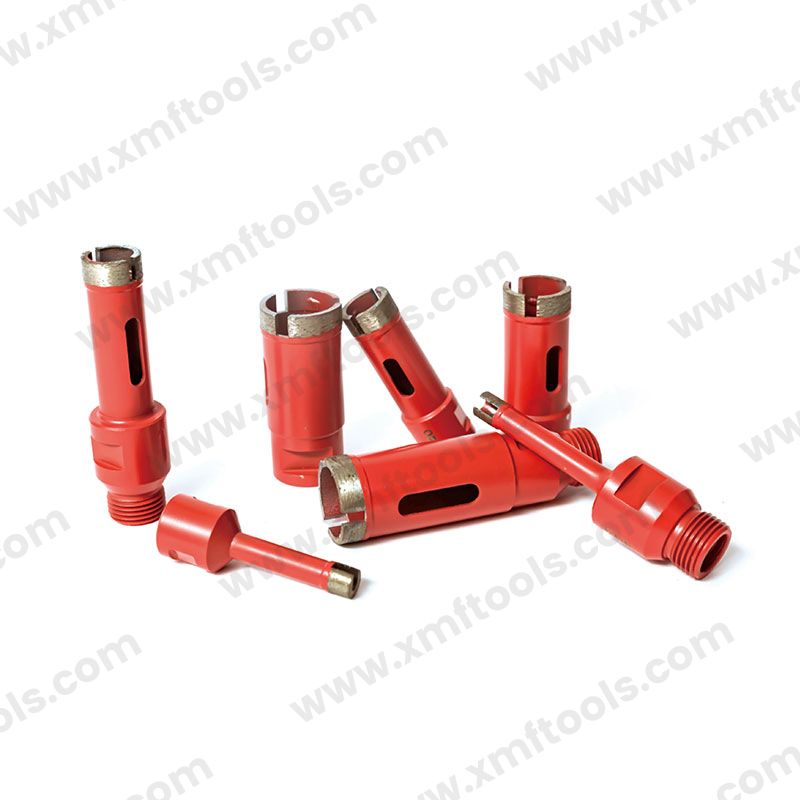 |
Core Drill Bits For Stone | Seller: Hebei XMF Tools Group Co., Ltd | Our Core Drill Bits for Stoneare designed for professional cutting and drilling of granite, marbl... |

