Epoxy resins
Introduction to Epoxy Resins
Epoxy resins are a class of thermosetting polymers known for their exceptional adhesion, chemical resistance, and mechanical strength. They are widely used in coatings, adhesives, composites, and electronics due to their versatility and durability.
Key Properties of Epoxy Resins
| Property | Description |
|---|
| Chemical Structure |
Contains epoxide groups (cyclic ethers with a 3-membered ring) |
| Common Types |
Bisphenol-A (DGEBA), Bisphenol-F (DGEBF), Novolac, Aliphatic, and Glycidylamine |
| Appearance |
Clear to amber viscous liquid or solid (depending on molecular weight) |
| Curing Mechanism |
Reacts with amines, anhydrides, or phenols to form cross-linked networks |
| Density |
1.1–1.4 g/cm³ |
| Glass Transition (Tg) |
50–250°C (122–482°F) (varies with curing agent and formulation) |
| Tensile Strength |
70–90 MPa (for cured resins) |
| Chemical Resistance |
Excellent against acids, alkalis, and solvents |
Applications of Epoxy Resins
| Industry | Application |
|---|
| Coatings & Paints |
Protective coatings for metal, concrete, and marine environments |
| Adhesives |
Structural bonding in aerospace, automotive, and construction |
| Composites |
Fiber-reinforced plastics (FRP) for wind turbines, aircraft, and sports equipment |
| Electronics |
Encapsulation of circuits, PCB laminates, and insulating materials |
| Construction |
Flooring, grouts, and repair mortars for high-durability applications |
| 3D Printing |
High-performance photopolymer resins for additive manufacturing |
Advantages & Limitations
| Advantage | Limitation |
|---|
| Strong adhesion to metals, plastics, and ceramics |
Brittleness (requires toughening modifiers) |
| Excellent chemical & moisture resistance |
Long curing time (can be accelerated with heat) |
| High mechanical & thermal stability |
Potential skin irritation (uncured resins) |
| Low shrinkage during curing |
Higher cost than polyester/polyurethane resins |
Safety & Handling
| Parameter | Guideline |
|---|
| Storage |
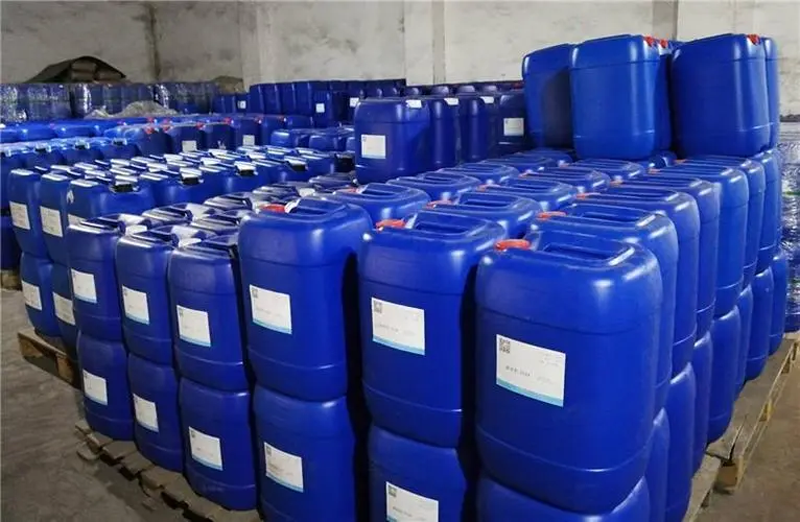
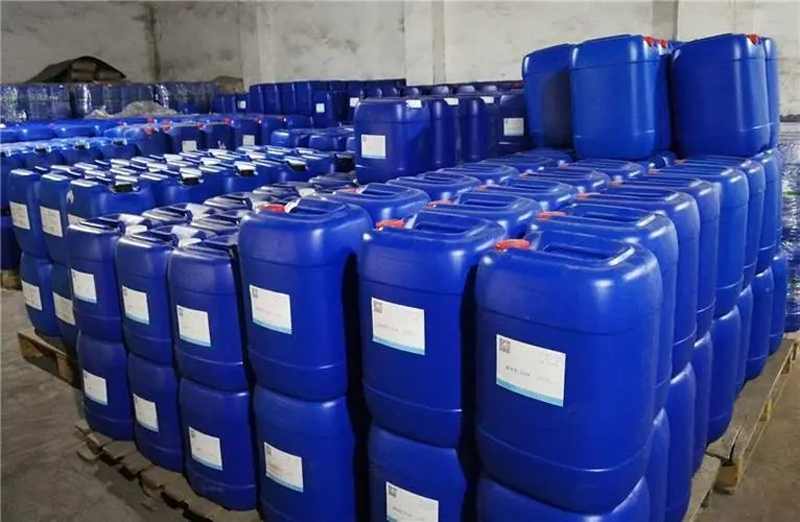
Keep in sealed containers, away from moisture and amines |
| Curing Agents |
Amines (toxic; require PPE), Anhydrides (less hazardous) |
| VOC Emissions |
Low in solid/high-molecular-weight epoxies |
| Biodegradability |
Non-biodegradable; incineration recommended |
Comparison with Other Resins
| Resin Type | Epoxy | Polyester | Polyurethane |
|---|
| Adhesion |
★★★★★ |
★★★☆☆ |
★★★★☆ |
| Chemical Resistance |
★★★★★ |
★★★☆☆ |
★★★☆☆ |
| Curing Speed |
★★☆☆☆ |
★★★★☆ |
★★★★★ |
| Cost |
High |
Low |
Medium |
Other supplier products
All supplier products
Same products
|
|
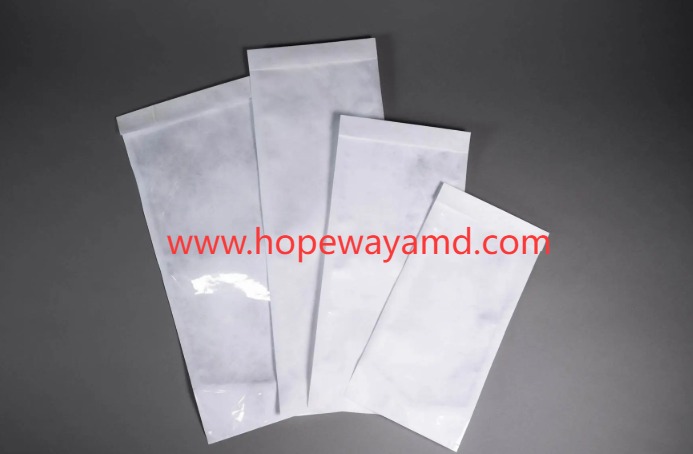
Heat Sealing Sterilization Pouch |
Seller: Hopeway AMD |
Heat Sealing Sterilization Pouch is designed for secure medical instrument packaging, supporting ... |
|
|
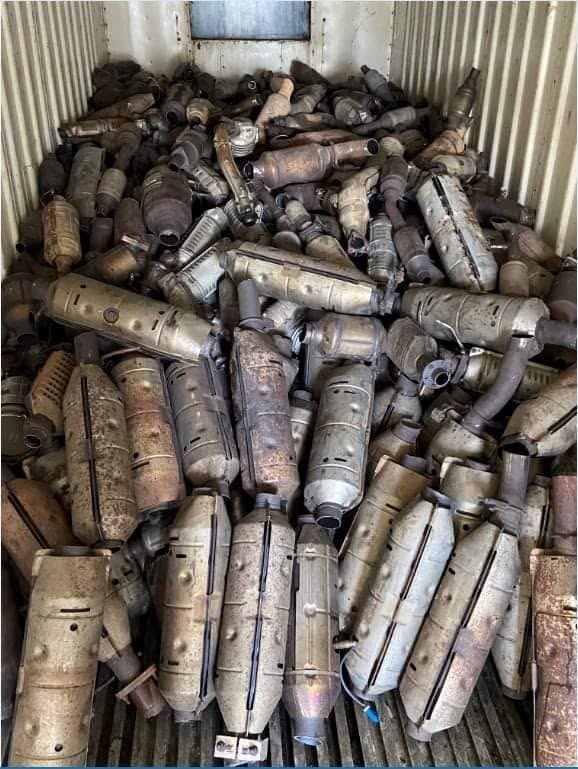
Catalytic Converter Scrap Supplier, Catalytic Converter Scrap for Sale, , Catalytic Converter Scrap, Catalytic Scrap for Sale, Catalytic Scrap Supplier, Scrap Catalytic Supplier |
Seller: Trucont LLC |
At Trucont LLC, we have ongoing Catalytic converter scrap available for immediate loading and shi... |
|
|
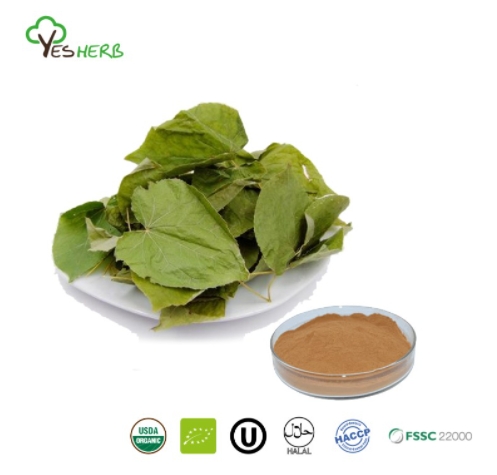
Epimedium Extract |
Seller: Xi'an Yuensun Biological Technology Co., Ltd. |
Product Name: Epimedium ExtractLatin Name: Epimedium Sagittatum Maxim.Specification: Icariin 5%, ... |
|
|
Pumpkin Powder |
Seller: Xi'an Yuensun Biological Technology Co., Ltd. |
Product Name: Pumpkin PowderLatin Name: Cucurbita pepo L.Used Part: FruitAppearance: yellow fine ... |
|
|
Broccoli Powder |
Seller: Xi'an Yuensun Biological Technology Co., Ltd. |
Product Name: Broccoli powder
Latin Name: Brassica oleracea L.var.italic Planch.
Used Part: Who... |