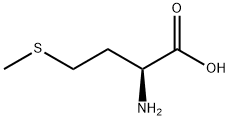
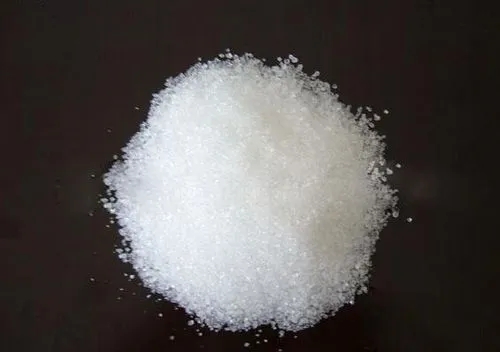
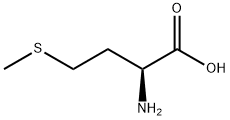
L-Methionine Manufacturer

Metabolism and Safety of L-Methionine L-Methionine is absorbed in the small intestine via amino acid transporters and metabolized primarily in the liver. Its metabolic pathways include protein synthesis, transsulfuration (to cysteine and GSH), and remethylation (recycling to methionine). Excess methionine is catabolized to carbon dioxide, sulfuric acid, and urea, which are excreted from the body, with no significant accumulation under normal intake levels. In terms of safety, L-Methionine has a high margin of safety. The FAO/WHO recommends a daily intake of 13 mg/kg body weight for adults, and no adverse effects have been reported at doses within this range. However, excessive supplementation (exceeding 1000 mg/day for long periods) may lead to hyperhomocysteinemia, which is associated with increased cardiovascular risk, or gastrointestinal discomfort (e.g., nausea, diarrhea). Individuals with liver or kidney disorders should use it under medical supervision, as impaired organ function may affect methionine metabolism.
Other supplier products
|
|
DL-methionine Marke quotation |
The carboxyl group in DL-methionine can undergo esterification, amidation, and decarboxylation reactions under specific conditions.Esterification r... |
|
|
DL-Alanine 302-72-7 |
DL-Alanine’s uses span multiple fields, leveraging its amino acid properties and cost-effectiveness (it is often cheaper to produce than pure... |
|
|
L-Threonine Purchase price |
As an amphoteric compound, L-threonine can buffer pH changes in acidic or alkaline food systems: Used in beverages (e.g., sports drinks, fruit juic... |
|
|
DL-Methionine |
DL-Methionine, chemically namedDL-2-amino-4-(methylthio)butanoic acid, is a racemic mixture composed of equimolar amounts of L-methionine and D-met... |
|
|
DL-Methionine Purchase price |
DL-Methionine has multiple coordination sites (amino nitrogen, carboxylate oxygen, and sulfur atom in the methylthio group), enabling it to form st... |
All supplier products
Same products