Cystine Disodium Salt
Cystine Disodium Salt, systematically named disodium (R,R)-3,3'-dithiobis(2-aminopropanoate), is a water-soluble ionic derivative of L-cystine—a sulfur-containing amino acid composed of two L-cysteine molecules linked by a disulfide bond. Its physical properties are determined by its ionic structure, disulfide linkage, and polar functional groups, which make it suitable for applications in pharmaceuticals, nutritional supplements, and biochemistry. The key physical properties are summarized as follows:
-
Appearance and State
Cystine Disodium Salt typically exists as a
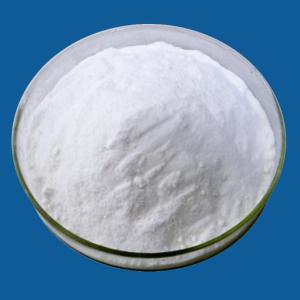
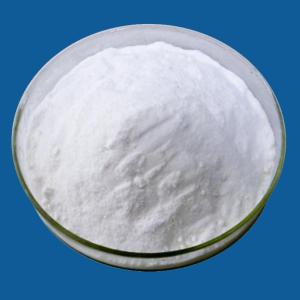
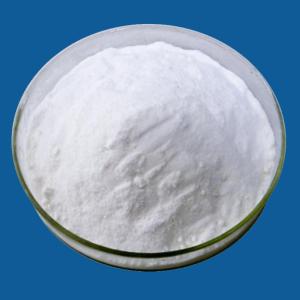
white to off-white crystalline powder or granular solid under room temperature and pressure. It has no obvious odor and exhibits good crystallinity when purified by recrystallization from aqueous solutions. The crystal structure is stabilized by ionic bonds between the sodium cations and the carboxylate anions of cystine, as well as intermolecular hydrogen bonds formed by the amino groups and water molecules.
-
Solubility
Solubility is a defining physical property of Cystine Disodium Salt, distinguishing it from the poorly water-soluble free L-cystine.
- Water solubility: It has excellent solubility in water, with a solubility of approximately 100–120 g/L at 25 °C. The solubility increases significantly with rising temperature, reaching 150–180 g/L at 80 °C. The high water solubility is attributed to the ionization of the two carboxyl groups into carboxylate anions (−COO−) and their hydration by water molecules, as well as the dissociation of sodium cations (Na+) that enhance the hydrophilicity of the molecule.
- Organic solvent solubility: It is sparingly soluble or insoluble in non-polar and low-polarity organic solvents (e.g., ethanol, methanol, acetone, chloroform, hexane). In polar organic solvents with high water miscibility (e.g., dimethyl sulfoxide (DMSO), dimethylformamide (DMF)), it shows limited solubility (less than 5 g/L at 25 °C), as these solvents cannot effectively hydrate the ionic groups of the compound.
-
Melting Point and Thermal Stability
Cystine Disodium Salt has a relatively high melting point, ranging from
220–225 °C (values may vary slightly with purity). When heated to the melting point, it undergoes thermal decomposition rather than melting into a liquid. The decomposition process is characterized by the cleavage of the disulfide bond (−S−S−) in the molecule, producing cysteine derivatives and releasing sulfur-containing volatile substances. Prolonged heating above 250 °C leads to complete decomposition, forming amino acid pyrolysis products, carbon residues, and sodium carbonate. Under moderate heating conditions (e.g., pasteurization at 60–80 °C), it exhibits good thermal stability, making it suitable for the preparation of heat-processed nutritional formulations.
-
Optical Activity
As a derivative of L-cystine, Cystine Disodium Salt has two chiral carbon atoms (one in each cysteine moiety), with a configuration of
(R,R) (corresponding to L-cystine). It possesses optical activity, and its specific rotation is a key parameter for evaluating optical purity. Under standard conditions, the specific rotation of a 5% (g/100 mL) aqueous solution at 25 °C using sodium D-line light (λ = 589.3 nm) is [α]D25=−210∘∼−220∘. The large negative specific rotation is a characteristic of the disulfide-linked chiral structure of L-cystine derivatives. Any deviation from this range indicates the presence of D-cystine isomers or racemates, which affects the biological activity of the compound.
-
Hygroscopicity and Storage Stability
Cystine Disodium Salt has
moderate hygroscopicity. When exposed to humid air (relative humidity > 60%), it absorbs moisture gradually and may agglomerate, but it does not undergo deliquescence. To maintain its physical and chemical stability, it should be stored in a sealed, dry container at room temperature, protected from light and moisture. Long-term storage under high humidity conditions may cause partial hydrolysis of the ionic bonds, but this does not affect the integrity of the disulfide bond. In addition, it is stable in neutral and weakly alkaline aqueous solutions, but in strongly acidic conditions (pH < 2.0), it may precipitate as free L-cystine due to protonation of the carboxylate groups.
-
pH of Aqueous Solutions
A 10% (g/100 mL) aqueous solution of Cystine Disodium Salt is weakly alkaline, with a pH value of
7.5–8.5. This weakly alkaline property arises from the slight hydrolysis of the carboxylate groups in water, which produces a small amount of hydroxyl ions (OH−). The pH of the solution increases slightly with concentration; for example, a 20% (g/100 mL) solution has a pH of 8.5–9.0. This property is important for its application in pharmaceutical formulations, as it avoids the acidic irritation caused by free amino acids.
Other supplier products
|
|
Glycyl-glycine Purchase price |
Glycyl-glycine provides support for metabolic health Emerging research suggests potential benefits in metabolic contexts: As a glycine precursor, g... |
|
|
High quality L-Cysteine S-Sulfate Na |
Redox Properties of L-Cysteine S-Sulfate NaTheS-sulfonate-thiol linkage (-S-SO_3^-)is the core structural moiety responsible for the redox reactivi... |
|
|
Cystine Disodium Salt Marke quotation |
The ionic form of Cystine Disodium Salt contributes to its excellent biocompatibility, making it suitable for in vivo applications.
Weakly alk... |
|
|
BOC-L-GLU(ME)-OME Manufacturer |
Boc-L-Glu(OMe)-OMe is a protected L-glutamic acid derivative (not a bioactive or therapeutic agent) with a single core mechanism of action: serving... |
|
|
Bulk supply Glycylglycine |
As a simple dipeptide composed of two glycine molecules, glycylglycine (Gly-Gly) plays a critical role in peptide synthesis, stability, and bioacti... |
All supplier products
Same products