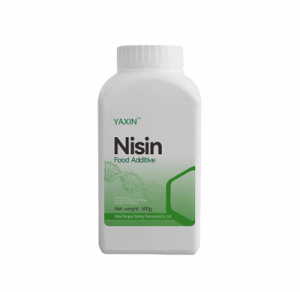
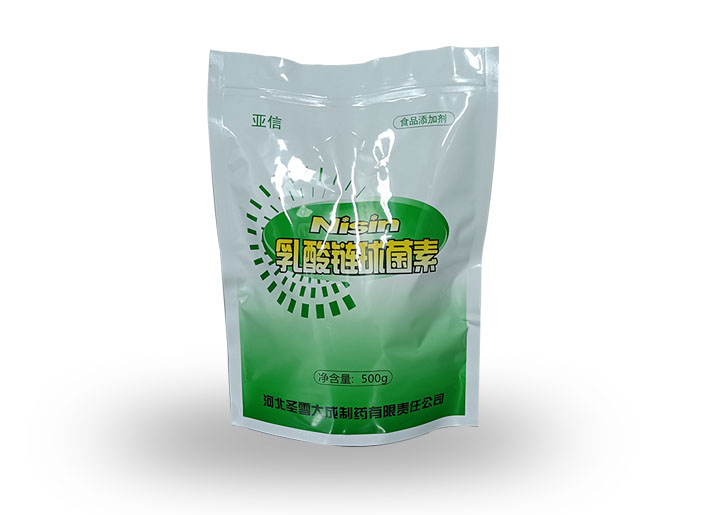
Nisin Raw Material as Food additive
Dosages of nisin vary by age, health status, and application, with most formulations based on "international units (IU)" (1 IU = ~0.25 μg pure nisin): Adults (gut health): 500–1000 IU/day, taken with meals to maximize gut delivery. Adults (oral health): 400–800 IU/day, as lozenges or sprays, used after meals. Children (≥3 years): 200–500 IU/day, adjusted by weight (10–20 IU/kg body weight). Post-antibiotic support: 500 IU/day, taken during and for 1 week after antibiotic treatment.
Other supplier products
|
|
Heat Resistance of Nisin |
Heat Resistance of Nisin Nisin possesses excellent heat stability, a critical advantage for high-temperature processed foods. It retains over 80% ... |
|
|
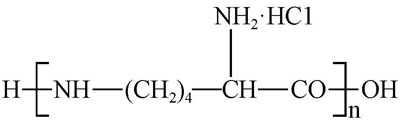
Food preservative ε-Polylysine hydrochloride |
One of the key benefits of ε-Polylysine hydrochloride as a food preservative is its ability to inhibit the growth of a wide range of microo... |
|
|
Nisin Powder Market quotation |
While nisin is most widely used in food, its advantages (e.g., targeted antibacterial activity, safety) make it a promising candidate in other fiel... |
|
|
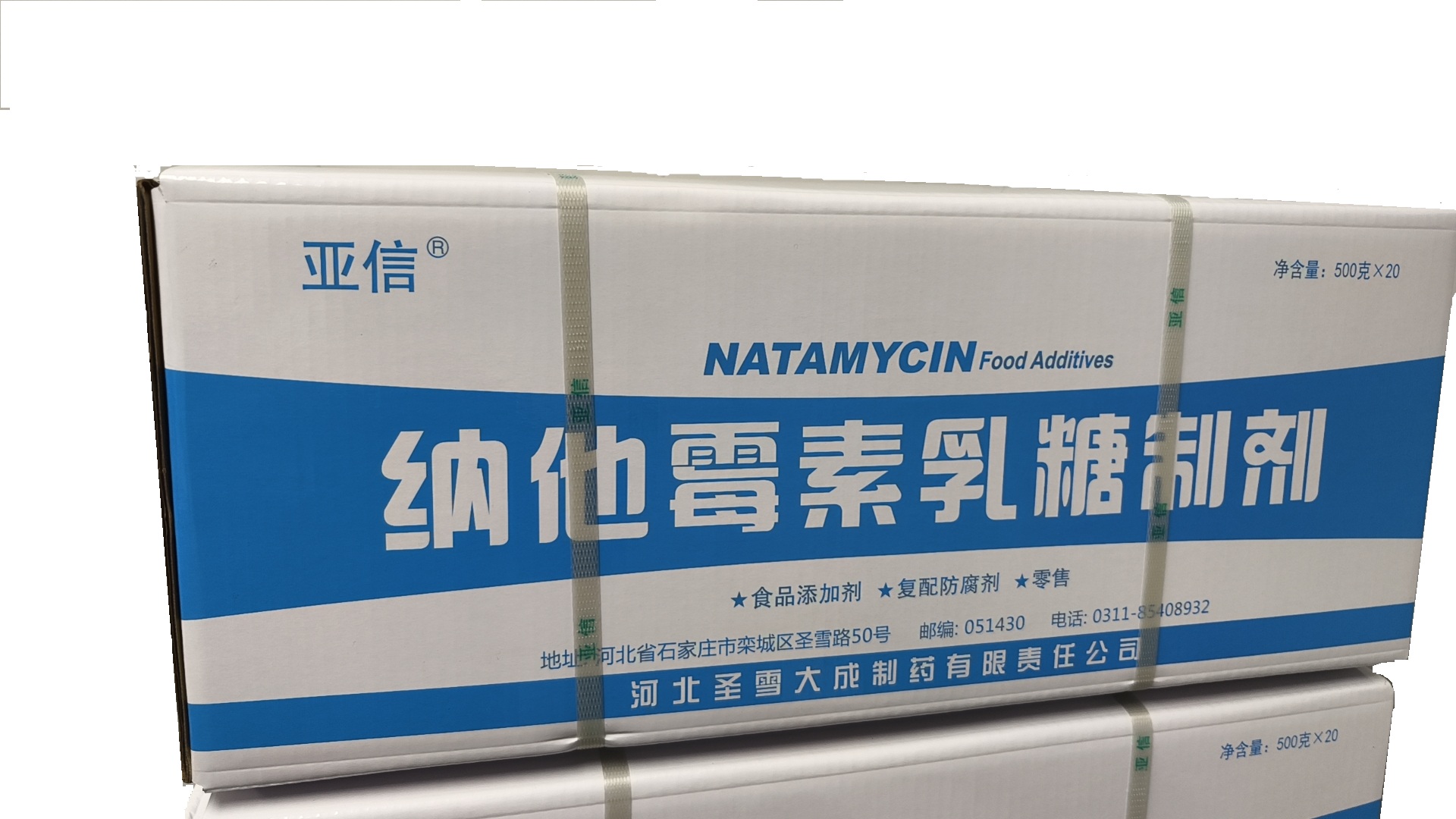
Natamycin Wholesale Price |
The application fields of natamycin1. Food industryAnti-corrosion and preservation: As a natural preservative, it is widely used in foods such as c... |
|
|
Nisin’s value in seafood products |
Nisin’s value in seafood products lies in its ability to "naturally inhibit bacteria, preserve freshness, and maintain flavor"—it effec... |
All supplier products
Same products