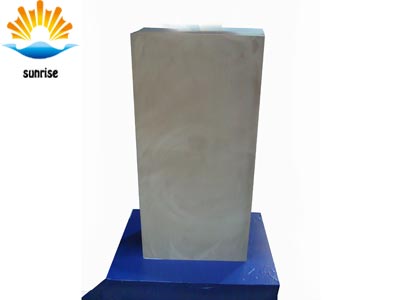
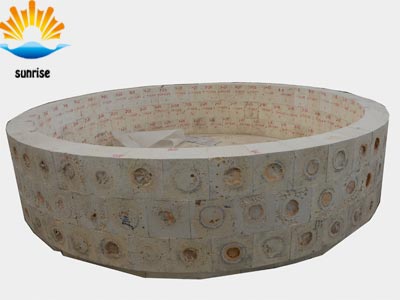
Physicochemical properties and thermal properties of lightweight clay bricks

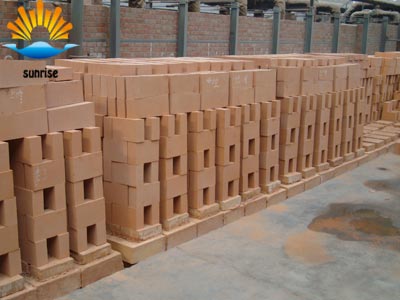
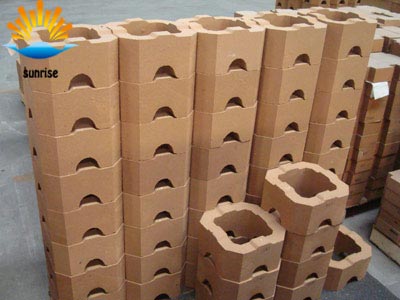
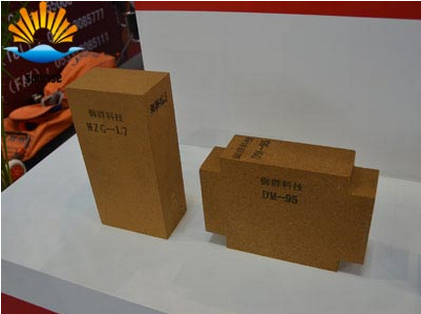
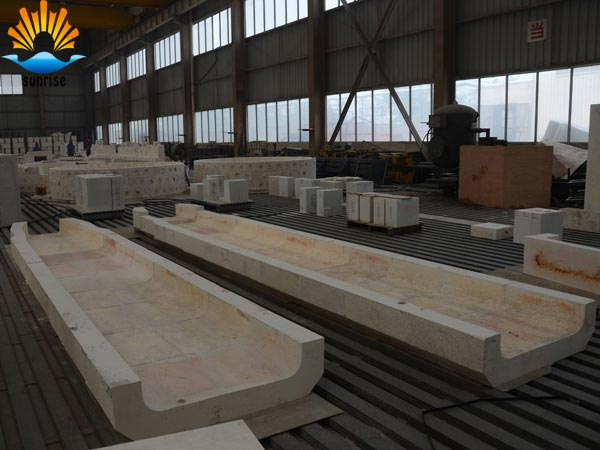
What are the physical and chemical functions and thermal functions of lightweight clay bricks? What is the impact of each? Lightweight clay bricks are most commonly used for high temperature operations and require different requirements for lighter clay bricks. Therefore, the physical and chemical functions of lightweight clay bricks are as follows:
1, light clay brick has a high degree of refractoriness, can resist the impact of high temperature heat load, does not soften, not melt.
2, light clay bricks should have a high volume stability, residual shortening and residual swelling, no crystal deformation, volume effect is larger, the volume should not be shortened, only uniform expansion.
3, lightweight clay bricks should have high strength and high temperature resistance, high softening load temperature, high creep resistance, can withstand the impact of high temperature heat load, without losing strength, no creep and collapse .
4, light clay bricks should have good thermal shock resistance, slag resistance, high density, abrasion resistance, good impact resistance and chemical stability.
Thermal function of lightweight clay bricks
These functions are the basis for measuring whether lightweight clay bricks can be used for the heating process, they have heat capacity, thermal expansion coefficient and temperature conductivity.
Thermal capacity refers to the amount of heat absorbed by the data temperature increase of 1000°C. The heat capacity of light clay bricks directly affects the heating and cooling rate of the masonry kiln; the thermal expansion of clay bricks is the volume of material that increases with temperature. Functional increase, instability, change with temperature, thermal expansion function is closely related to the structure and strength of lightweight clay bricks, high-strength clay bricks have a low coefficient of thermal expansion, sex is data transmitted to the surrounding space during heating or cooling process speed. The higher the thermal conductivity of lightweight clay bricks, the faster the temperature distribution and the smaller the temperature difference.
Other supplier products
|
|
Magnesia Brick |
Magnesia Brick Features:
Excellent performance of basic slag resistance, high refractoriness, thermal stability, anti-erosion and anti-peelingExcel... |
|
|
Fused Magnesia Brick DMZ-97 |
Specifications1.Fused Magnesia Brick Refractory2.CCS:60mpa,RUL:17003.Good erosion resistance4.High quality5.Reasonable priceFused Magnesia Brick Fe... |
|
|
How to choose refractories for furnace |
The main performance of the kiln is mainly determined by the technical and economical performance of the refractories, which directly affects the i... |
|
|
Fused Cast High Zirconia Block TY-Z88 |
Fused cast high zirconia bricks descriptionThe series of TY-Z are fused cast high zirconia refractories which are specially designed refractory for... |
|
|
Fused Cast AZS 33# Block |
Fused Cast AZS are the most widely used materials both in glass contact and superstructure of glass melting furnaces.Fused cast AZS 33# block has d... |
供应产品
Same products