


Hydroxyethylcellulose in Skin Care


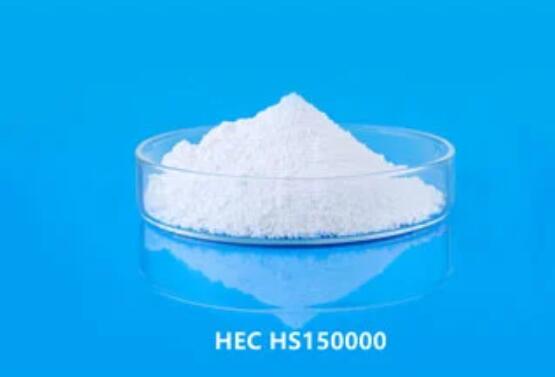
Hydroxyethylcellulose in skin care is a cellulose thickener, emulsifier, and a stabilizer, which helps to create a consistent texture and improve the spreadability of skin care products.
Due to its colloidal effect, hydroxyethyl cellulose is used in skin care gels, sols, and emulsions, so it is widely used in skin care products and personal care products. It is used to make crystal clear gels and to thicken the aqueous phase of cosmetic lotions. The use of HEC in skin care can improve the texture and performance of skin care products, making them more effective and easier to use. It is important to note that the concentration of HEC used in skin care products may vary depending on the specific product and the desired effect.
CAS: 9004 62 0
How To Use Hydroxyethyl Cellulose in Skin Care?
Hydroxyethyl cellulose (HEC) can be used in a variety of skin care formulations, including moisturizers, lotions, serums, and creams. Here are some general guidelines on how to use HEC in a skin care formulation:
Determine the desired viscosity: Hydroxyethylcellulose skincan be used to increase the viscosity of skin care formulations, which can help to improve their texture and spreadability. The amount of HEC needed will depend on the specific formulation and the desired viscosity.
Combine HEC with other ingredients: HEC can be combined with other ingredients, including water, oils, and active ingredients, to create a skin care formulation. It is important to mix HEC thoroughly with other ingredients to ensure that it is fully dispersed.
Use a high-shear mixer: To ensure that the HEC is fully incorporated into the skin care formulation, use a high-shear mixer or an agitator. Mix for several minutes to achieve good dispersion.
Adjust the pH: Hydroxyethylcellulose in skin careworks best at a pH range of 5.0 to 9.0, so it may be necessary to adjust the pH of the formulation to achieve optimal performance.
Add other ingredients: Once the hydroxyethylcellulose used in skin care has been incorporated into the formulation, add other ingredients as needed to achieve the desired properties, such as emollients, humectants, and active ingredients.
Test and adjust: After creating the skin care formulation, it is important to test it to ensure that it has the desired properties. If necessary, you may need to adjust the concentration of HEC or other additives to achieve the desired results.
Hydroxyethyl Cellulose Skin Benefits
Hydroxyethyl cellulose China is widely used in skin care products for its thickening properties. Hydroxyethylcellulose cosmeticsplays a key role in the cosmetic industry due to its adhesive, film forming, emulsion stabilizing, and viscosity controlling properties with bellow advantages.
Improves texture:
HEC can help to improve the texture and spreadability of skin care products, making them easier to apply and more pleasant to use.
Enhances product stability:
HEC can help to stabilize the formulation of skin care products, preventing separation and maintaining a consistent texture over time.
Acts as a binding agent:
HEC can help to bind the ingredients in skin care products together, which can improve the overall performance of the product.
Can be used with a range of ingredients:
HEC is compatible with a wide range of ingredients, including oils, water, and other active ingredients, making it a versatile ingredient in skin care formulations.
Increases moisture retention:
Hydroxyethylcellulose in cosmeticscan form a film on the skin's surface, which can help to increase moisture retention and prevent dehydration.
Provides a smooth feel:
Hydroxyethylcellulose for skincan help to create a smooth and silky feel on the skin, making it more pleasant to the touch.
在线联系供应商
Other supplier products
 |
Sodium Carboxymethyl Cellulose In Toothpaste Industry | Carboxymethyl cellulose in toothpaste (Sodium Carboxymethyl Cellulose) is cellulose gum that is used as a binder, thickener, and stabilizer in toot... |
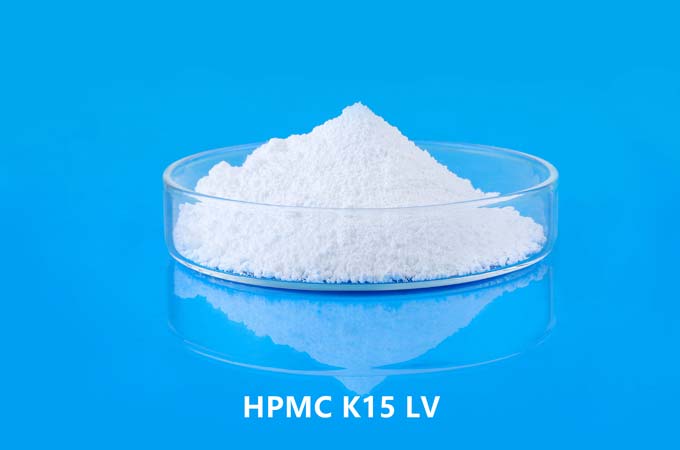 |
HPMC K15 LV | KimaCell®HPMC K15LV Hydroxypropyl methyl cellulose, also known as cellulose hydroxypropyl methyl ether, is prepared from cellulose through ethe... |
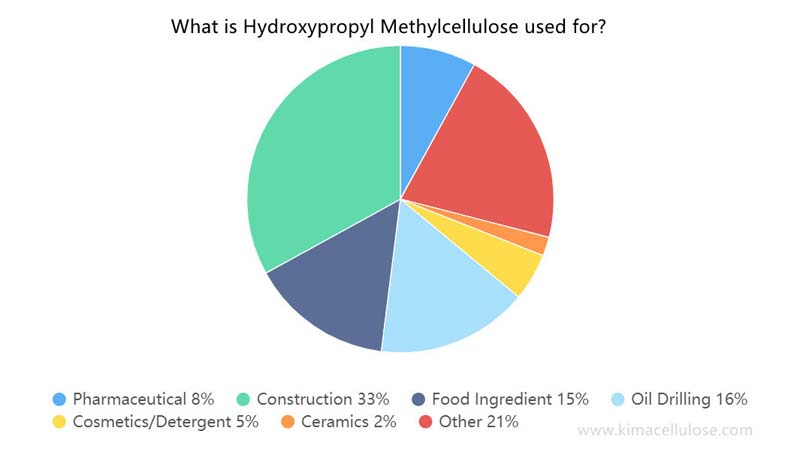 |
Hydroxypropyl Methylcellulose (HPMC) Wholesale | Mydroxypropyl Méthylcellulose(HPMC), also known as , is a non-ionic cellulose ether made from natural polymer such as refined cotton or wood... |
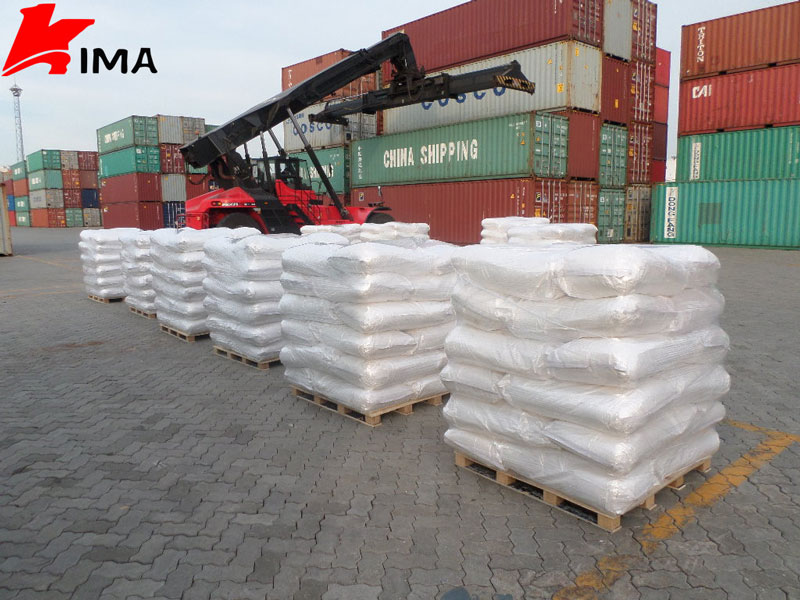 |
Hydroxypropyl Starch Ether (HPS) Wholesale | CAS 9049 76 7 Hydroxypropyl starch ether (HPS) is a modified starch that is commonly used as a thickener, stabilizer, and emulsifier in a variety ... |
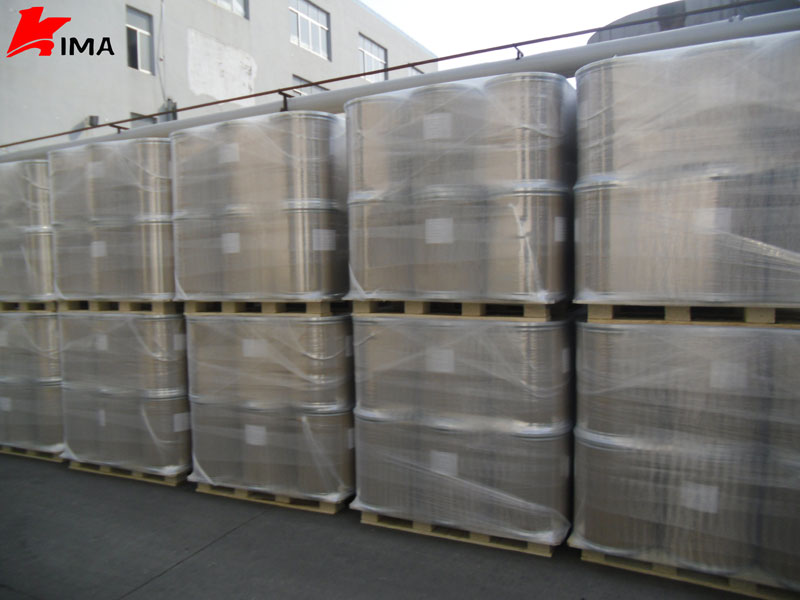 |
Food Grade CMC | Food Grade CMC refers to a type of food additive known as sodium carboxymethyl cellulose, which is derived from cellulose, a naturally occurring su... |
Same products
 |
Hot Melt Adhesive for Vacuum Insulation Panels | 卖方: Foshan Rurga New Material Technology Co. ,Ltd | Hot Melt Adhesive for Vacuum Insulation Panels Supply & Technical Support Capabilities ... |
 |
Hot Melt Adhesive for Packaging | 卖方: Foshan Rurga New Material Technology Co. ,Ltd | Hot Melt Adhesive for Packaging Bond Strength & Durability: Hot melt adhesives provide i... |
 |
Hot Melt Adhesive for Hygiene Products | 卖方: Foshan Rurga New Material Technology Co. ,Ltd | Hot Melt Adhesive for Hygiene Products refers to thermoplastic pressure‑sensitive adhesives ... |
 |
LSAW Steel Pipe & Tube | 卖方: HEBEI TIRICO PIPELINE CO.,LTD | LSAW Steel Pipe & Tube , or Longitudinal Submerged Arc-Welding Pipe (also known as SAWL ... |
 |
Anti-Corrosion Steel Pipe & Tube | 卖方: HEBEI TIRICO PIPELINE CO.,LTD | Anti-Corrosion Steel Pipe & Tube Anti-Corrosion Steel Pipe & Tube What Is an Anti... |

