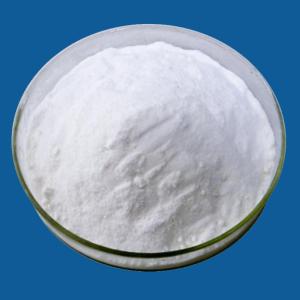
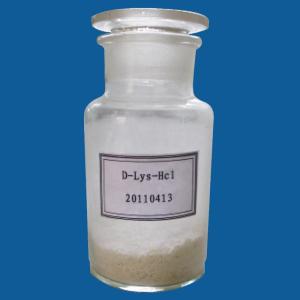
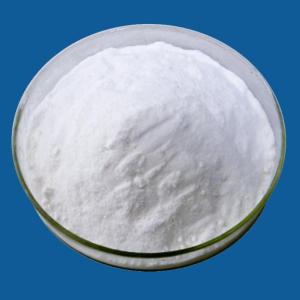
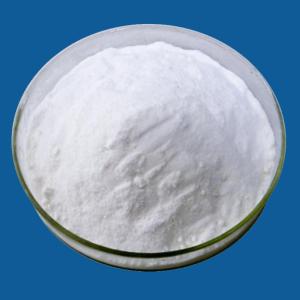
Phospho-L-Tyrosine Disodium Salt
Biological Significance and Mechanisms of Phospho-L-Tyrosine Disodium Salt Key Role in Signal Transduction: As a core component of protein phosphorylation/dephosphorylation cycles, phospho-L-tyrosine mediates intracellular signaling pathways (e.g., tyrosine kinase pathways). It functions as a "molecular switch" by regulating the activity of target proteins (e.g., receptors, enzymes, transcription factors) through reversible phosphorylation of tyrosine residues. Biological Functions: Involved in cell proliferation, differentiation, adhesion, and apoptosis; critical for immune response, tissue repair, and metabolic regulation. Abnormal tyrosine phosphorylation is associated with diseases such as cancer (e.g., overactivation of EGFR tyrosine kinase), autoimmune disorders, and neurodegenerative diseases.
Other supplier products
|
|
N-Acetyl-L-Tryptophan |
N‑Acetyl‑L‑Tryptophan (NAT) is a stable, acetylated derivative of L‑tryptophan with neuroprotective, anti‑inflammatory, and antioxidant properties,... |
|
|
Cystine Disodium Salt |
Thermal and Storage Stability ofCystine Disodium Salt
Thermal stability: Cystine Disodium Salt is stable under moderate heating (≤ 100 °... |
|
|
DL-tryptophan |
Storage Methods Control of Environmental Conditions Temperature: Store in a cool, dry place at 2–8°C (36–46°F) for long-term st... |
|
|
L-Cystine dihydrochloride |
L‑Cystine dihydrochloride is a pharmaceutical‑grade and cell‑culture‑grade amino acid derivative, widely used in biomanufacturing, cell culture, pa... |
|
|
Hydantoin |
Hydantoin and its derivatives can act as chelating agents. They can form stable complexes with metal ions through the nitrogen and oxygen atoms in ... |
供应产品
Same products