N-Acetyl-DL-Tryptophan

N‑Acetyl‑DL‑tryptophan is a synthetic, racemic derivative of the amino acid tryptophan, widely used as a biochemical reagent, pharmaceutical intermediate, and protein stabilizer.
1. Identity & Nomenclature
IUPAC Name: N‑acetyl‑DL‑tryptophan
Synonyms: DL‑α‑acetylamino‑3‑indolepropionic acid, Ac‑DL‑Trp‑OH, DL‑acetyltryptophan
CAS Number: 87‑32‑1
EC Number: 201‑739‑3
2. Chemical Structure & Formula
Molecular Formula: C₁₃H₁₄N₂O₃
Molecular Weight: 246.26 Da
Structure: A racemic mixture (equal parts D‑ and L‑enantiomers) with an acetyl group bonded to the α‑amino group of tryptophan, containing an indole ring and a carboxyl group.
3. Physical Properties
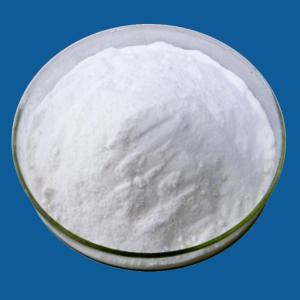
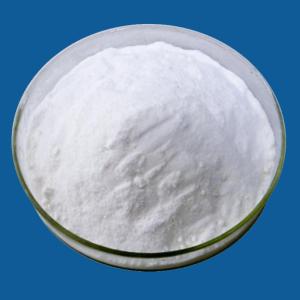
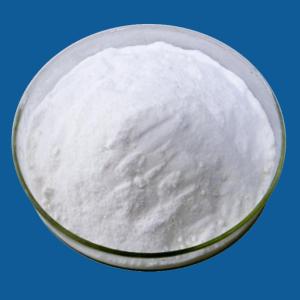
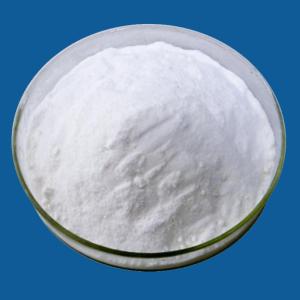
Appearance: White to light yellow crystalline powder, odorless
Melting Point: 204–206 °C (decomposes)
Solubility: Slightly soluble in water; freely soluble in ethanol (96%); soluble in dilute alkali solutions
Optical Activity: Racemic ([α]₂₀ᴰ = −0.5° to +0.5°, c = 2 in ethanol)
Storage: 2–8 °C, protected from light
4. Quality Specifications (Typical)
Purity: ≥98.0% (TLC/HPLC)
Loss on Drying: ≤0.3%
Residue on Ignition: ≤0.2%
Heavy Metals: ≤10 ppm
5. Key Applications
Pharmaceutical Excipient: Stabilizes protein drugs (e.g., monoclonal antibodies) by inhibiting aggregation and degradation.
Biochemical Research: Used in cell culture, enzyme assays, and as a tryptophan source in defined media.
Food & Nutrition: Serves as a nutritional fortifier and precursor for serotonin synthesis.
6. Mechanism & Safety
Stability: Acetylation protects the α‑amino group, enhancing resistance to enzymatic degradation and oxidation.
Safety: Low acute toxicity; non‑irritant; generally recognized as safe (GRAS) for use in pharmaceuticals and foods.
Other supplier products
|
|
Pidotimod |
1. Basic Information Product Name: Pidotimod Aliases: Pulimo, Puleyi, Pidotimod Main Chemical Component: 3-L-pyroglutamyl-thiazolidine-4-carboxylic... |
|
|
Hydantoin |
Hydantoin in Pharmaceutical Industry Anticonvulsant Medications: Many hydantoin - based drugs are used to treat epilepsy. Phenytoin is a classic e... |
|
|
L-Cystine dihydrochloride in Laboratory & Chemical Industry |
L-Cystine dihydrochloride in Laboratory & Chemical Industry Biochemical research reagent Used in protein structure analysis, disulfide bond res... |
|
|
High quality DL-tryptophan |
DL-tryptophan, as a racemic mixture of L-tryptophan and D-tryptophan, offers several application advantages that make it valuable in specific field... |
|
|
Chemical Properties of N‑Acetyl‑DL‑Tryptophan |
Chemical Properties of N‑Acetyl‑DL‑Tryptophan 1. Structural characteristics N‑Acetyl‑DL‑Tryptophan is a racemic acetylated derivative of tryptophan... |
供应产品
Same products