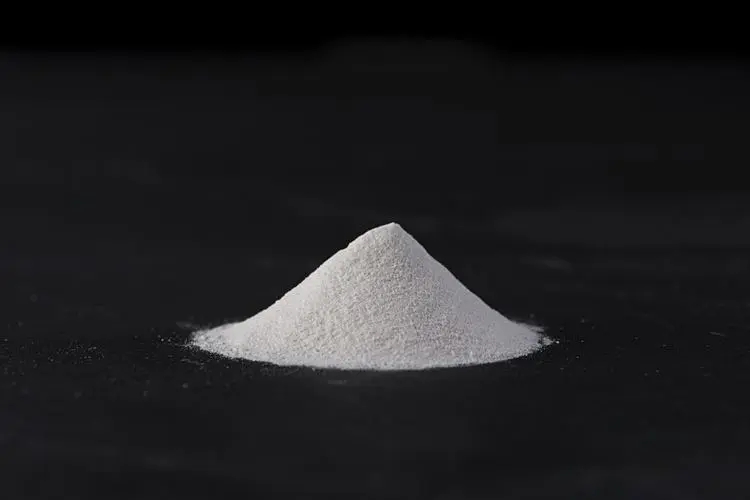
L-leucine

Functions in the Human Body
Protein Synthesis: It is a crucial component for building proteins. It combines with other amino acids through peptide bonds to form polypeptide chains, which then fold into specific protein structures, playing important roles in maintaining the structure and function of cells, tissues, and organs.
Energy Production: Under certain conditions, L - leucine can be decomposed through metabolic pathways to produce energy. It can be converted into acetyl - CoA, which enters the citric acid cycle to generate ATP.
Muscle Metabolism: It plays a significant role in muscle protein synthesis and breakdown. It can promote the synthesis of muscle proteins, helping to maintain and increase muscle mass. At the same time, it can also reduce muscle protein breakdown, especially during periods of stress, such as fasting or intense exercise.
Regulation of Blood Sugar Levels: L - leucine can participate in the regulation of blood sugar metabolism. It can stimulate the secretion of insulin to a certain extent, which helps cells take up glucose, thereby regulating blood sugar levels.
Other supplier products
|
|
L-Methionine in Cosmetic and Personal Care Applications L-Methionine is incorporated into cosmetic and personal care products due to its role in maintaining skin, hair, and nail health: Skin Care Prod |
L-Methionine in Cosmetic and Personal Care Applications L-Methionine is incorporated into cosmetic and personal care products due to its role in ma... |
|
|
The Quality Grade of Inositol |
Inositol is classified into four mainstream quality grades according to purity, impurity control, production specifications and applicable fields, ... |
|
|
L-Methionine |
Key Notes on Sources of L-Methionine Bioavailability: L-methionine from animal sources is more bioavailable than plant sources due to the absence o... |
|
|
L-methionine |
For populations with increased needs (e.g., athletes, vegetarians, malnourished individuals) or those with limited dietary intake, L-methionine is ... |
|
|
Chemical Properties of Inositol |
Chemical Properties of Inositol 1. Molecular structure and isomerism Inositol is a cyclic hexahydric alcohol with the molecular formula C6H12O6, co... |
供应产品
Same products