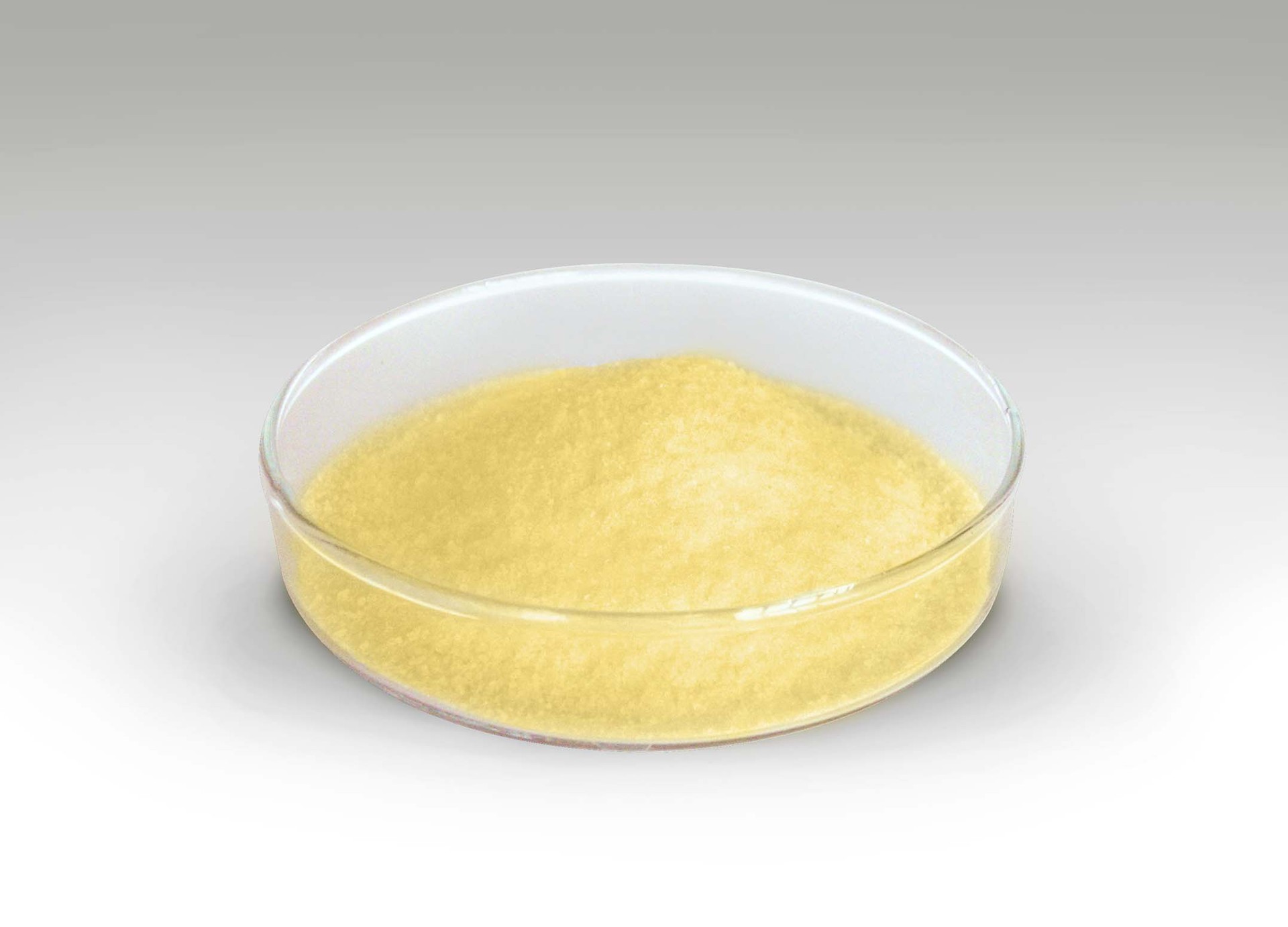
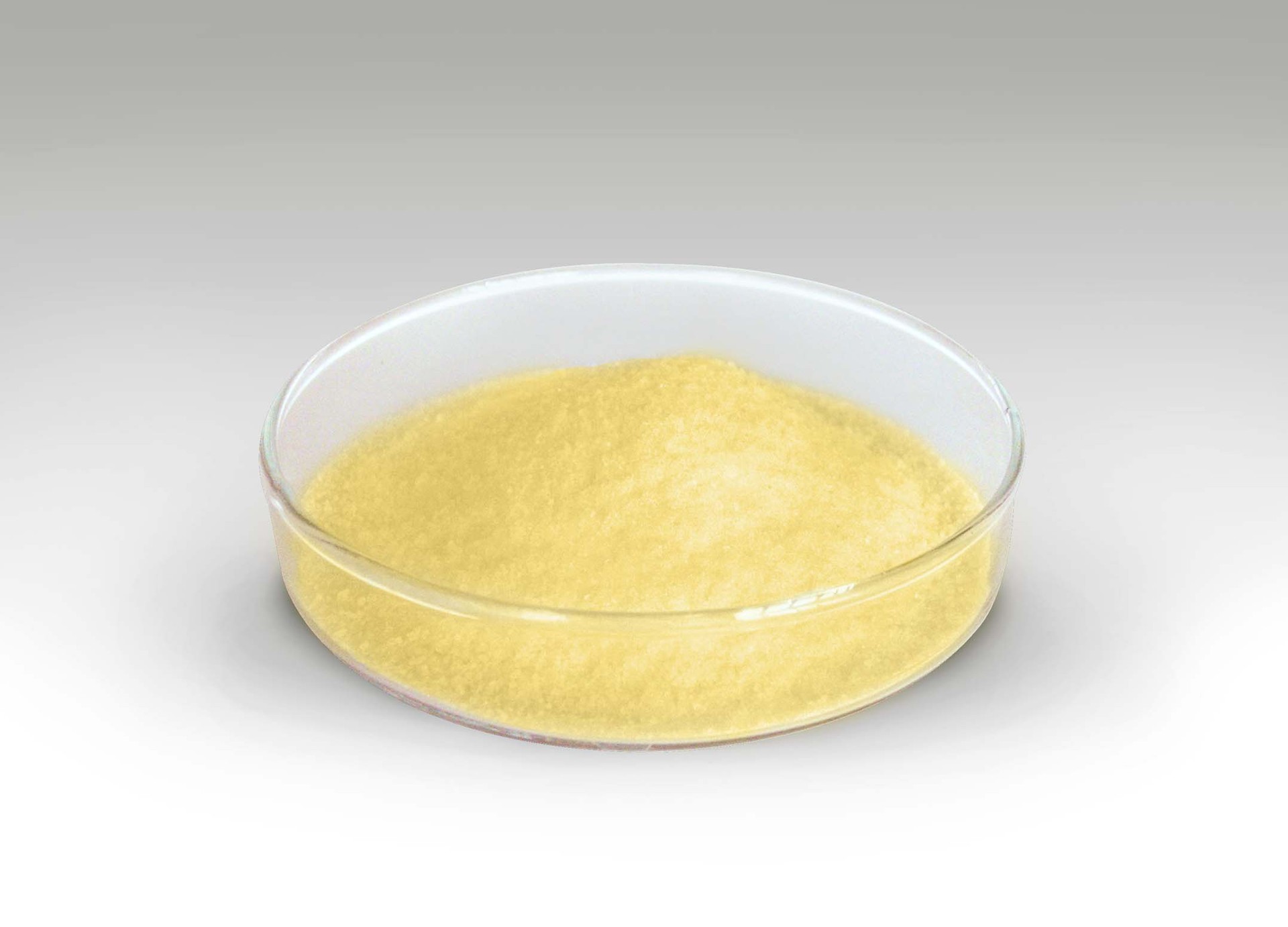
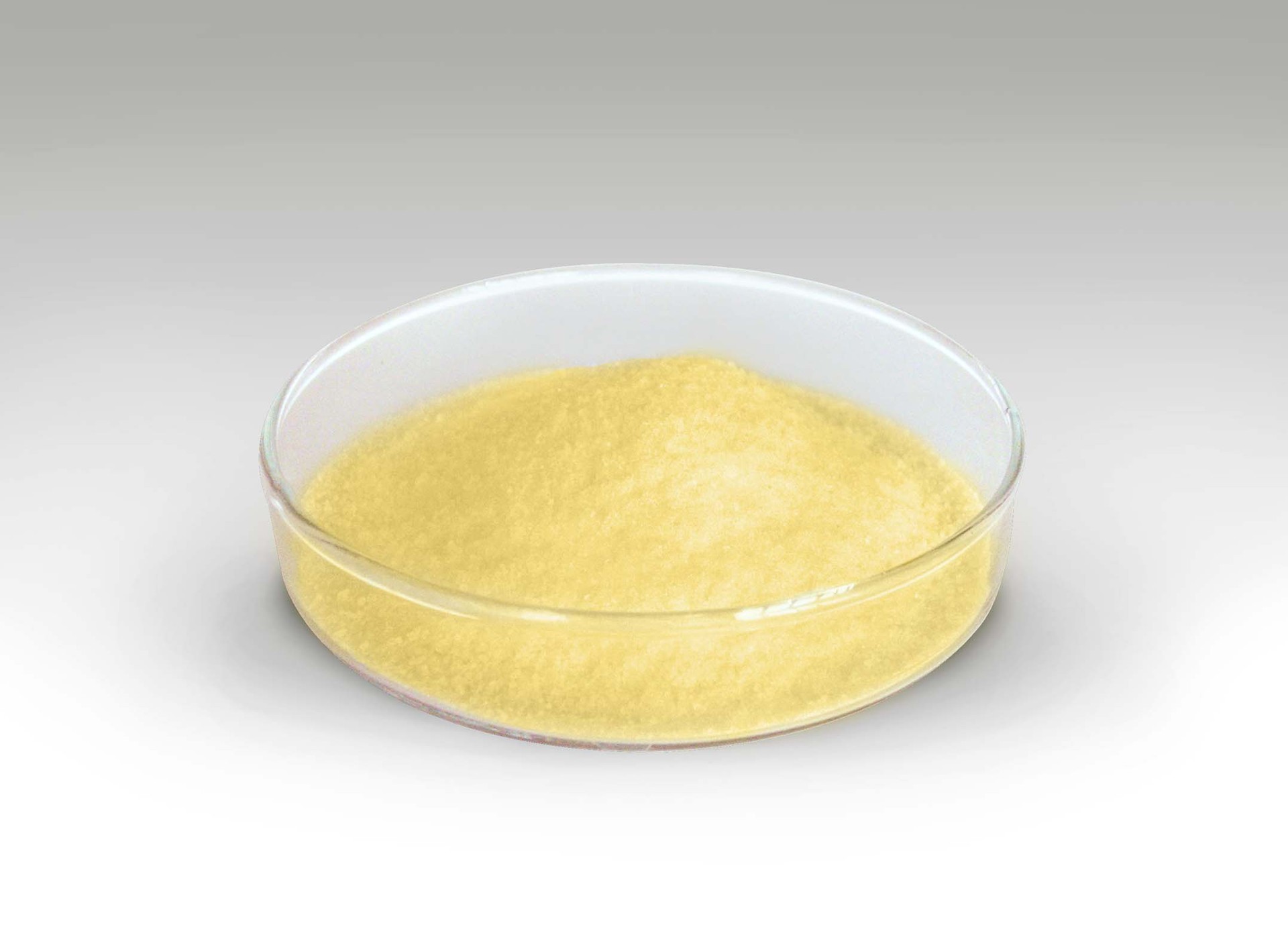
Phospholipid Raw Material
How structure enables membrane function: In aqueous environments (e.g., the cytoplasm inside cells or the extracellular fluid outside cells), phospholipids spontaneously self-assemble into a lipid bilayer—a stable, sheet-like structure where: Hydrophilic heads face outward, interacting with water molecules via hydrogen bonding and electrostatic attractions (this stabilizes the bilayer’s surface). Hydrophobic tails face inward, avoiding water and forming a dense, nonpolar "barrier" between the two aqueous compartments. This bilayer acts as a selectively permeable membrane: Small, nonpolar molecules (e.g., oxygen, carbon dioxide) can diffuse through the hydrophobic tail region. Large or polar molecules (e.g., sugars, ions, proteins) are blocked—preventing unregulated movement of substances and maintaining the cell’s internal environment (homeostasis).
Other supplier products
|
|
Phosphatidylserine |
Veterinary and Animal Health: Nutritional and Therapeutic Use Pet Cognitive Health Canine and Feline Brain Support: Supplements with PS are used to... |
|
|
Phosphatidylserine |
Phosphatidylserine is a phospholipid that is present in high concentrations in the brain and is important for maintaining healthy cognitive functio... |
|
|
Phospholipid in Functional Foods |
Phospholipid in Functional Foods & Infant Formula Core purpose: Nutritional fortification (choline, essential fatty acids) and improve nutrient... |
|
|
Phospholipid Raw Material |
A phospholipid is a class of lipids (fats) that serve as fundamental building blocks of biological membranes (e.g., cell membranes, organelle membr... |
|
|
Phosphatidylserine (PS) |
Phosphatidylserine (PS) is a phospholipid that is naturally present in the brain and other parts of the body.It has been the subject of research fo... |
供应产品
Same products