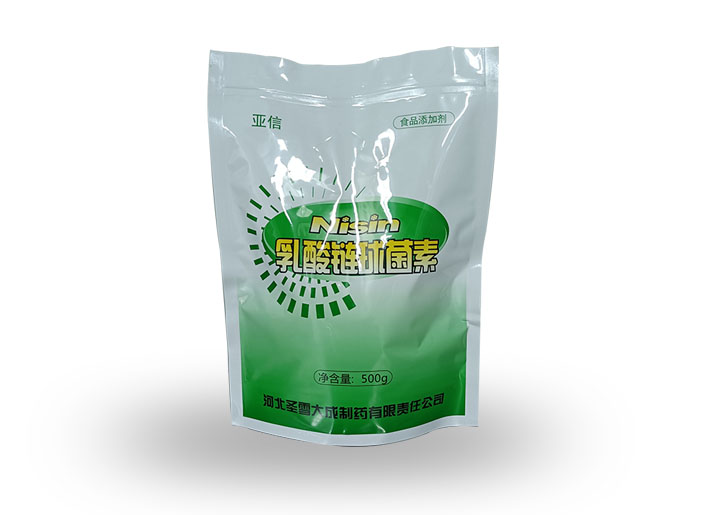
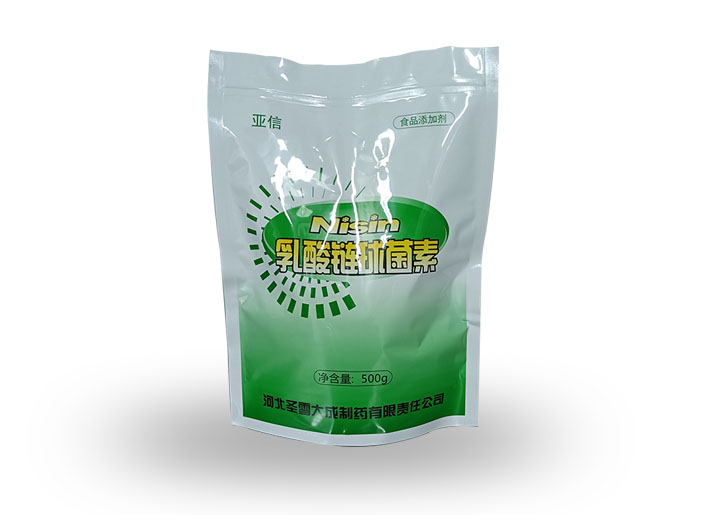
Nisin in Bakery and Cereal Products

Application in Bakery and Cereal Products: Inhibiting Spoilage Bacteria and Mold Bakery products (bread, cakes, pastries) and cereals (breakfast cereals, oatmeal) are prone to mold growth (e.g., Aspergillus) and bacterial spoilage (e.g., Bacillus cereus in bread). Nisin is often used in combination with other natural preservatives to expand its antibacterial spectrum: Key Applications & Mechanisms Bread (white bread, whole-wheat bread): Method: Add 0.02–0.05 g/kg Nisin to dough, combined with natamycin (a mold inhibitor, 0.01 g/kg). Effect: Nisin inhibits Bacillus cereus (which causes "rope spoilage"—slimy texture in bread), while natamycin prevents mold. Bread with this combination has a shelf life extended from 3–5 days to 7–10 days at room temperature, without staling faster. Breakfast cereals: Method: Spray a Nisin-sorbitol solution (0.1 g/L Nisin + 5% sorbitol) on cereals after baking. Effect: Inhibits bacterial growth and maintains cereal crispness. Breakfast cereals with Nisin have a shelf life extended from 3 months to 6 months, with no change in crunchiness. Advantage Compatible with low-sugar and gluten-free bakery products, meeting "clean label" consumer demands.
Other supplier products
|
|
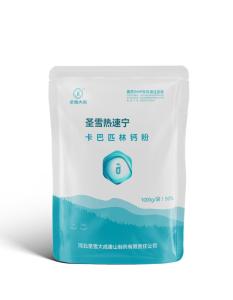
Carbasalate Calcium Soluble Powder |
Product Name: Carbasalate Calcium Soluble Powder
Brand name: Shengxue Resuning
Main Ingredients: Carbasalate Calcium
Description: This product is a... |
|
|
Nisin in Beverages |
Application in Beverages: Controlling Heat-Resistant Spores and Microbial GrowthBeverages (e.g., fruit juices, beer, functional drinks) face risks ... |
|
|
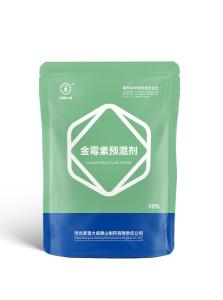
Chlortetracycline Premix 10% |
Product Name: Chlortetracycline Premix 10%Main Ingredient: ChlortetracyclineDescription: This product is a brown or brownish granule (powder) witho... |
|
|
Natamycin Market quotation |
Natamycin differs from other food preservatives in sensory properties: Natamycin: usually has little impact on the sensory characteristics of food ... |
|
|
Natamycin |
Natamycin is a polyene macrolide antifungal compound produced by the fermentation of Streptomyces.In 1955, Struyk et al. isolated this substance fr... |
供应产品
Same products