

Fiber Blend Ratio Tester

Whats/App: +86 156 1874 6768
Web: standard-groups.com
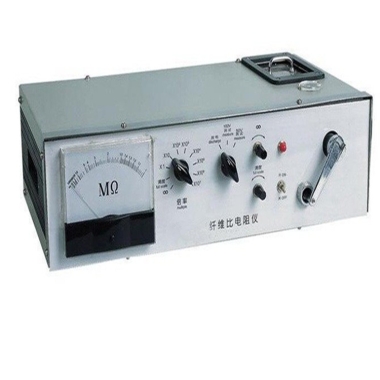
The Fiber Blend Ratio Tester is designed to measure the electrical resistance of a compacted fiber sample and convert it into the specific resistance of the fiber according to its filling density. It provides accurate, repeatable measurements for fiber quality evaluation, research, and production control, suitable for textile, nonwoven, and fiber material laboratories.
Application
(1) Testing specific resistance of synthetic staple fibers such as polyester, rayon, acrylic, and nylon in textile manufacturing.
(2) Quality control and R&D of fiber blends in nonwoven fabrics, yarns, and felts.
(3) Evaluation of cotton, wool, and blended natural fibers for electrical properties.
(4) Measurement of resistance in technical textiles used in automotive, aerospace, and medical applications.
(5) Assessment of fiber-based materials for smart textiles, conductive fibers, and anti-static fabrics.
(6) Comparative analysis of recycled fibers or fiber mixtures for product development.
Standards
(1) GB/T 14342-1993: Synthetic short fiber specific resistance test method.
(2) GB/T 14342-2015: Updated national standard for specific resistance measurement of man-made staple fibers.
(3) ISO 2060: Determination of the fineness of fibers by electrical resistivity (analogous methodology).
(4) ASTM D4496: Standard test method for electrical resistance of textile fibers.
(5) EN 1149-1: Protective clothing—Electrostatic properties—Test method for surface resistivity of fibers and textiles.
(6) JIS L 1020: Test method for electrical resistance of textile fibers.
Features
(1) Standard Compliance: Fully adheres to GB/T 14342 and other international standards.
(2) Wide Measurement Range: Measures fiber specific resistance from 10^6Ω to 10^13Ω.
(3) Accurate Voltage Application: Provides stable 50V and 100V test voltages with less than 5% deviation.
(4) Stable Operation: Reliable in controlled temperature (20℃±2℃) and humidity (65%±10%RH).
(5) Low Zero Drift: Less than 4% over 1–8 hours under stable voltage with no signal input.
(6) High Basic Accuracy: Basic error ≤±20% relative to standard resistance measurements.
(7) Compact Design: Laboratory-friendly size (450×265×133 mm).
(8) Indirect Measurement: Converts measured bulk resistance of compacted fiber into specific resistance.
(9) Resistance Measurement System and Fiber Compaction Chamber: Ensures precise measurement.
Parameters
| Parameter | Specification |
|---|---|
| Fiber specific resistance range | 10^6Ω – 10^13Ω |
| Test sample weight | 15 g |
| Measurement voltage | 50V, 100V, deviation <5% |
| Working temperature | 20℃ ±2℃ |
| Working humidity | 65% ±10% RH |
| Zero drift | <4% over 1–8 hours |
| Basic measurement error | ≤±20% |
| Power supply | AC 220V |
| Overall size | 450 × 265 × 133 mm (L×W×H) |
Accessories
(1) Main unit
(2) Fiber compaction chamber
(3) Sample holder
(4) Power cable
(5) User manual
Test Procedures
(1) Prepare the tester and connect the power supply.
(2) Weigh 15 g of fiber sample and place it in the compaction chamber.
(3) Set the desired measurement voltage (50V or 100V) and ensure the environment meets the temperature and humidity requirements.
(4) Start the test; the instrument compacts the fiber and measures its resistance.
(5) The tester automatically calculates the specific resistance of the fiber.
(6) Record the displayed specific resistance values for analysis.
(7) Remove the sample and clean the compaction chamber after testing.
Maintenance Information
(1) Keep the compaction chamber clean to avoid residue affecting measurements.
(2) Check electrical connections regularly and ensure stable voltage supply.
(3) Calibrate periodically using standard resistors.
(4) Avoid exposure to moisture, dust, or corrosive substances.
(5) Store the instrument in a dry, controlled laboratory environment.
(6) Monitor zero drift periodically to maintain measurement reliability.
在线联系供应商
Other supplier products
 |
Accelerated Weather Tester(Xenon) | Whats/App: +86 156 1874 6768 Web: standard-groups.com Features and Benefits 1.Equipped with high-pressure xenon lamps, accurately reproduce the ... |
 |
Thrust Bearing Rolling Friction and Wear Tester for bearing manufacturers | Get a quote: Whats/App: +86 156 1874 6768 Web: standard-groups.com Applicable Standards (1)ASTM D3702 (2)ASTM G99 (3)ASTM G77 (4)ISO 18535 ... |
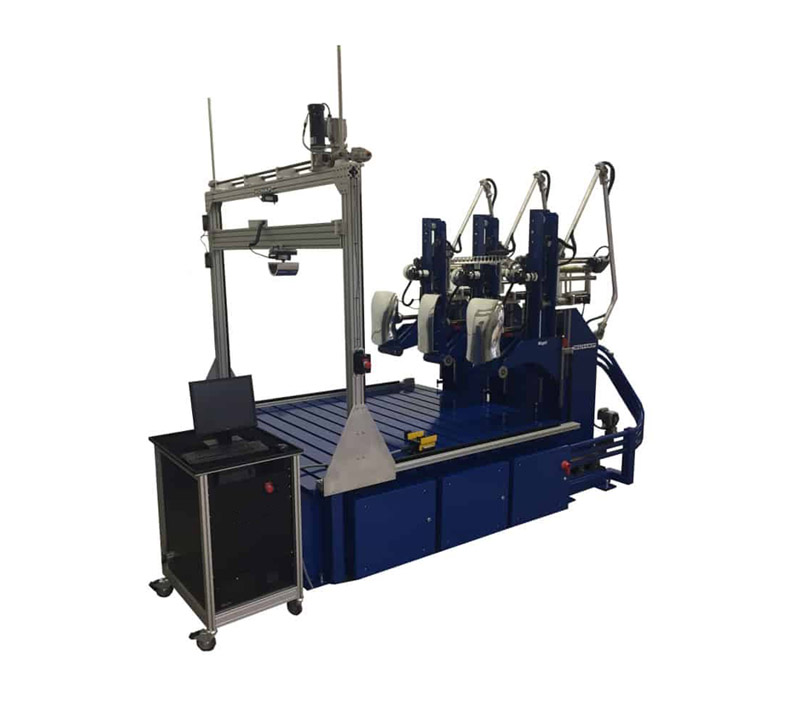 |
Automobile Headrest Strength Tester,Automotive seat headrest impact strength testing machine | Whats/App: +86 156 1874 6768 Web: standard-groups.com The Automobile Headrest Strength Tester is designed to evaluate the ultimate strength and d... |
 |
Industrial Oil Separator Test Machine | Whats/App: +86 156 1874 6768 Web: standard-groups.com Standards ISO 11155 series – air filtration and separator standards DIN 71460-1/2 &... |
 |
High-precision thermal conductivity tester for silicone and ceramic materials | Whats/App: +86 156 1874 6768 Web: standard-groups.com Application This tester is suitable for testing: Thin heat conductors and metals Solid e... |
Same products
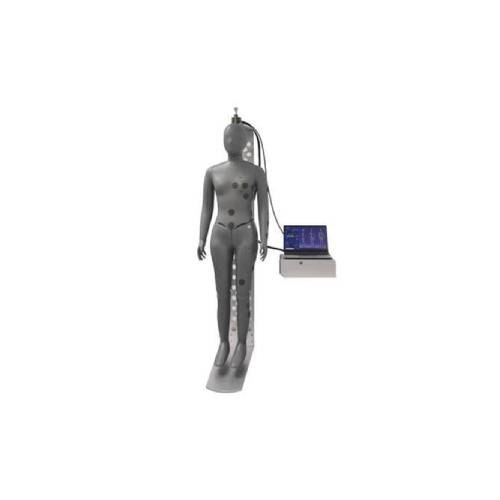 |
Full-Body Garment Stress Tester,FZ/T 70015 | 卖方: Standard International Group (HK) Limited | Whats/App: +86 156 1874 6768 Web: standard-groups.com TheFull-Body Garment Stress Testeris a pr... |
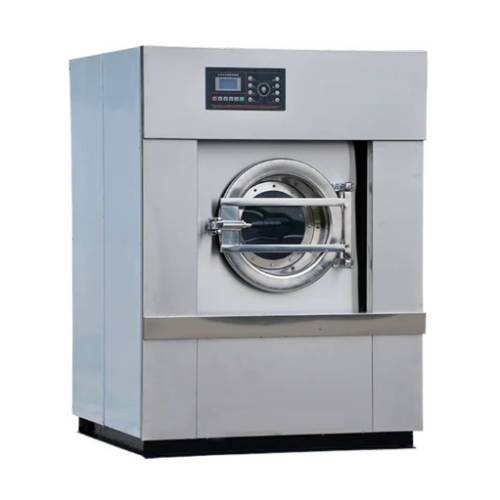 |
Industrial Dry Cleaning Machine,industrial garment steamer | 卖方: Standard International Group (HK) Limited | Whats/App: +86 156 1874 6768 Web: standard-groups.com TheIndustrial Dry Cleaning and Energy-Sav... |
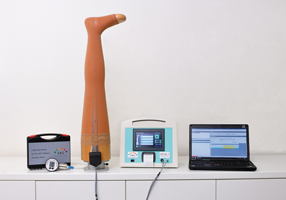 |
MST Medical Compression Stocking Tester,compression sock tester | 卖方: Standard International Group (HK) Limited | Whats/App: +86 156 1874 6768 Web: standard-groups.com The MST Medical Compression Stocking Test... |
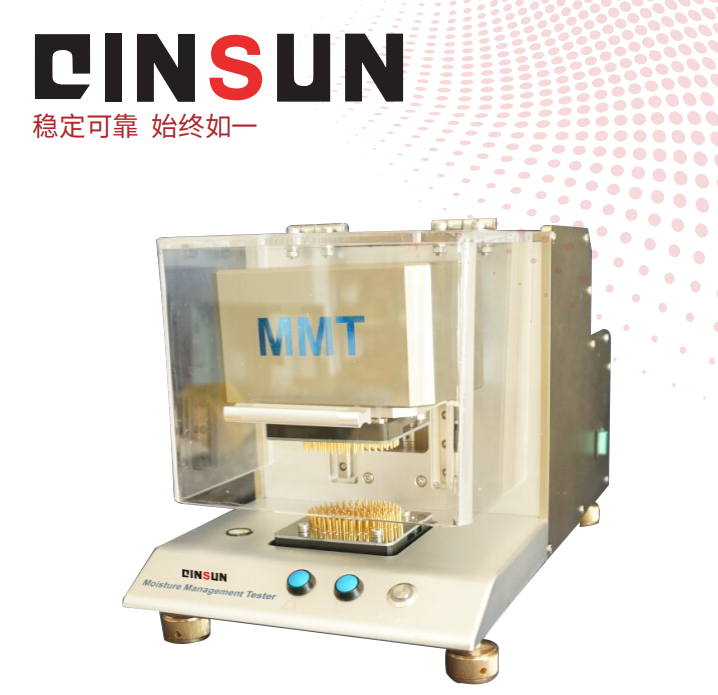 |
MMT Liquid Water Separation Tester,MMT Liquid Water Analysis Tool | 卖方: Standard International Group (HK) Limited | Whats/App: +86 156 1874 6768 Web: standard-groups.com Applications Textile Manufacturing:Testi... |
 |
Dental material color stability tester | 卖方: Standard International Group (HK) Limited | Whats/App: +86 156 1874 6768 Web: standard-groups.com Application The applications of color st... |

