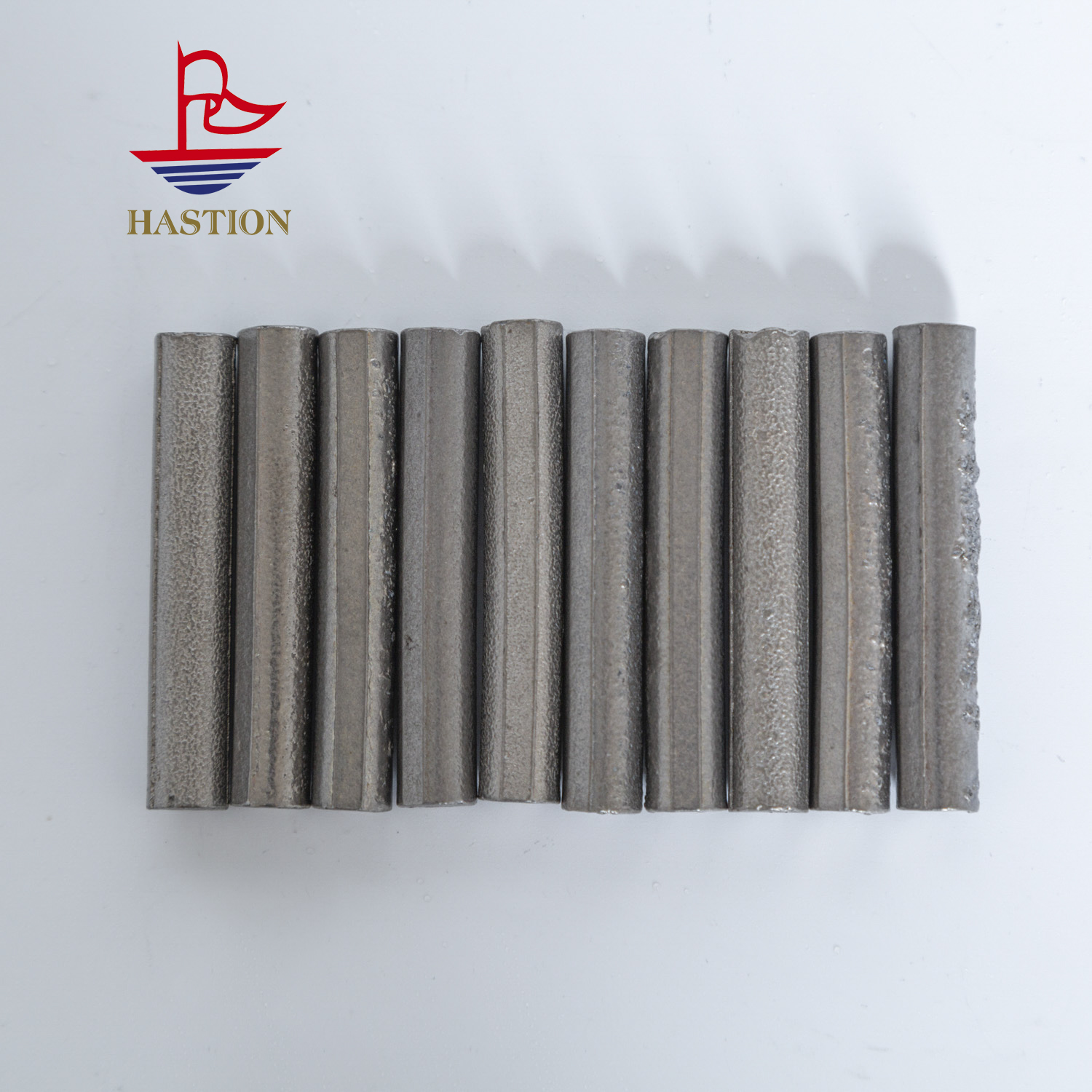
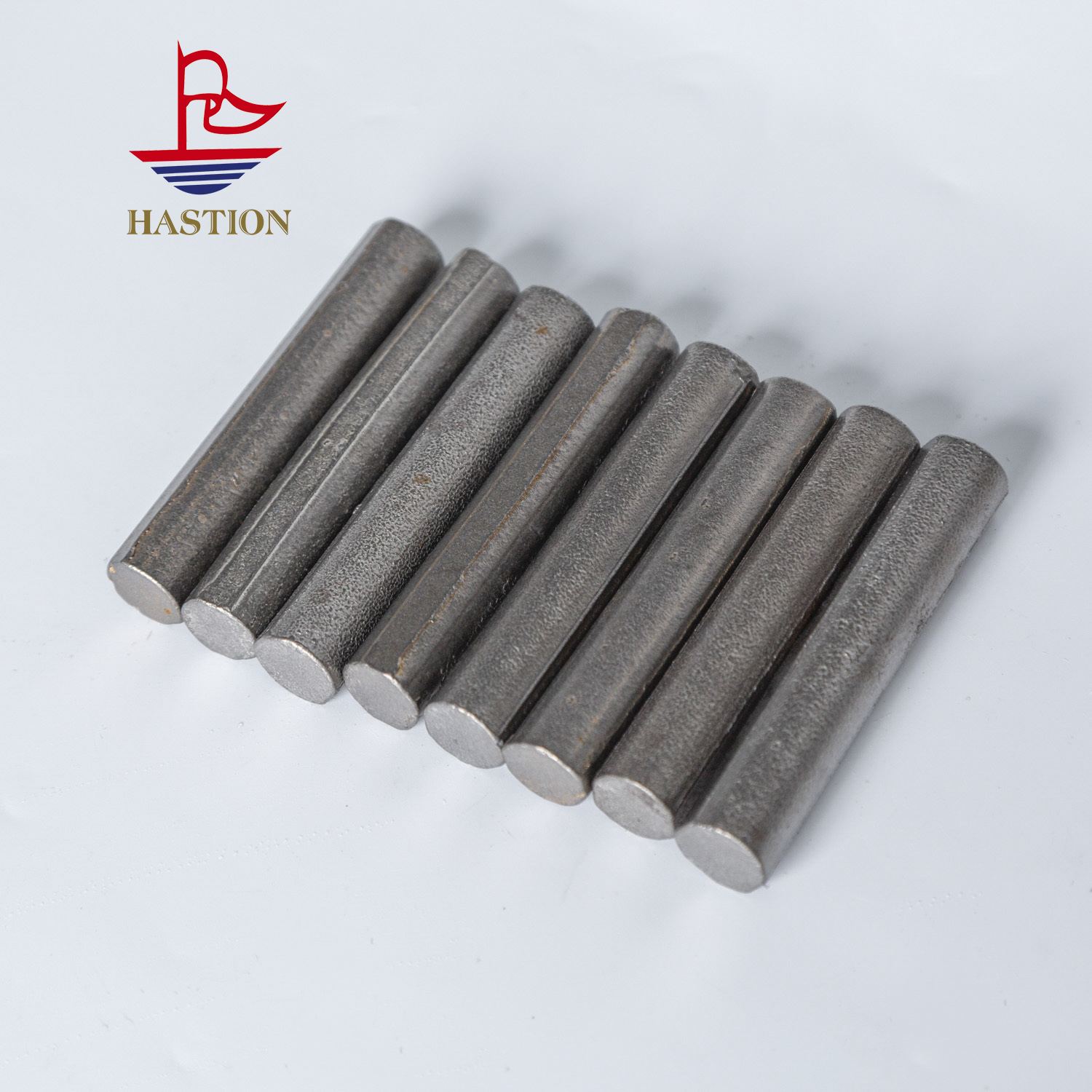
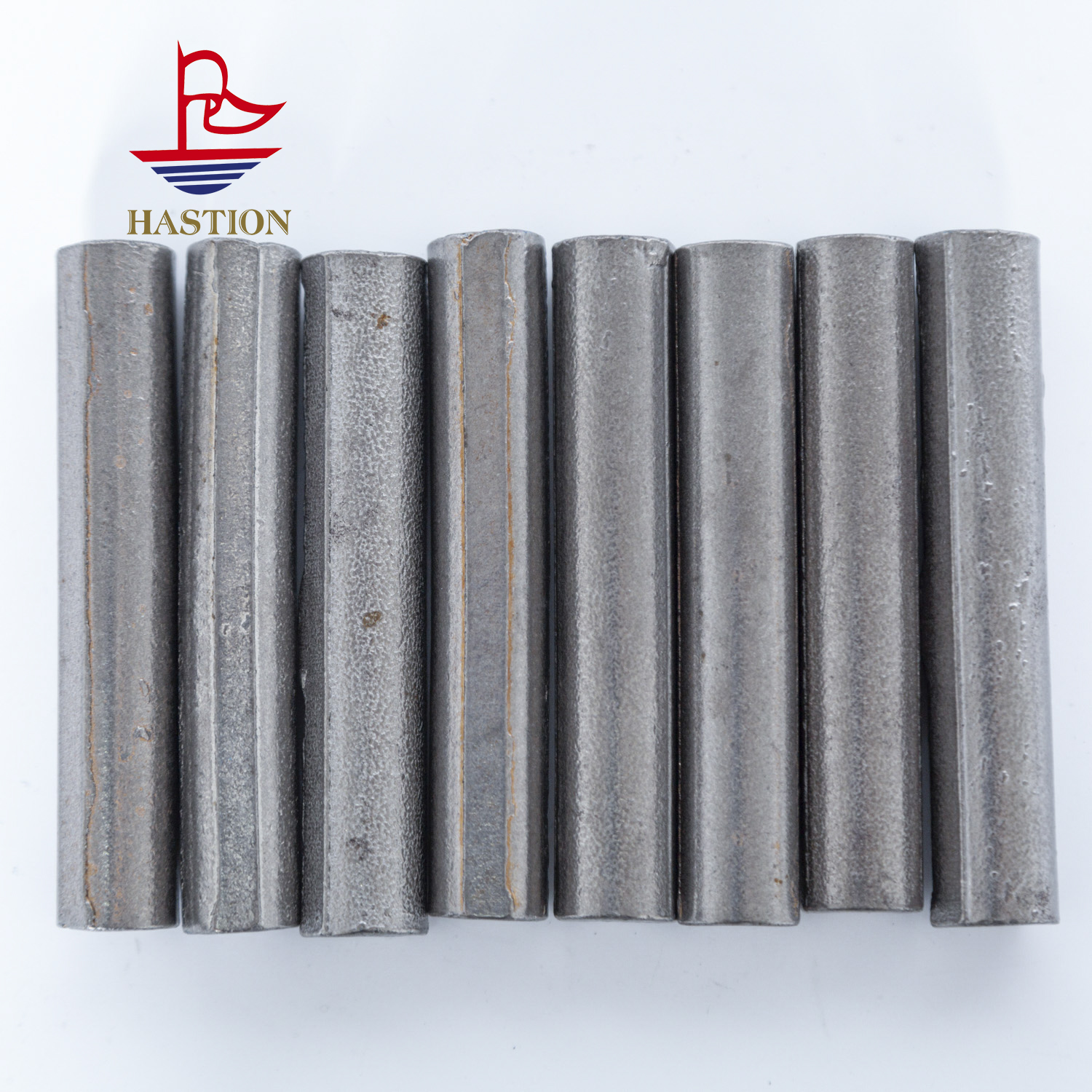
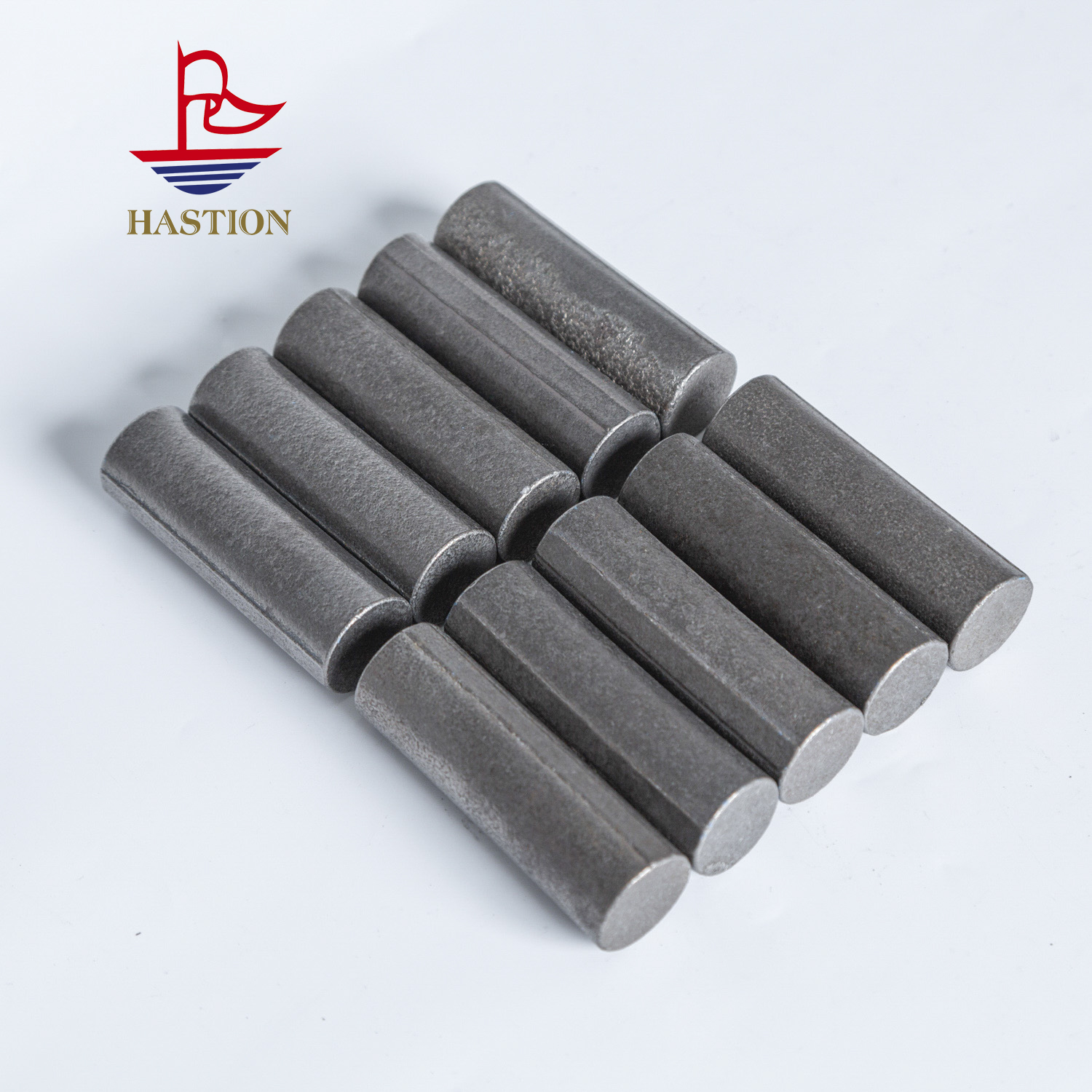
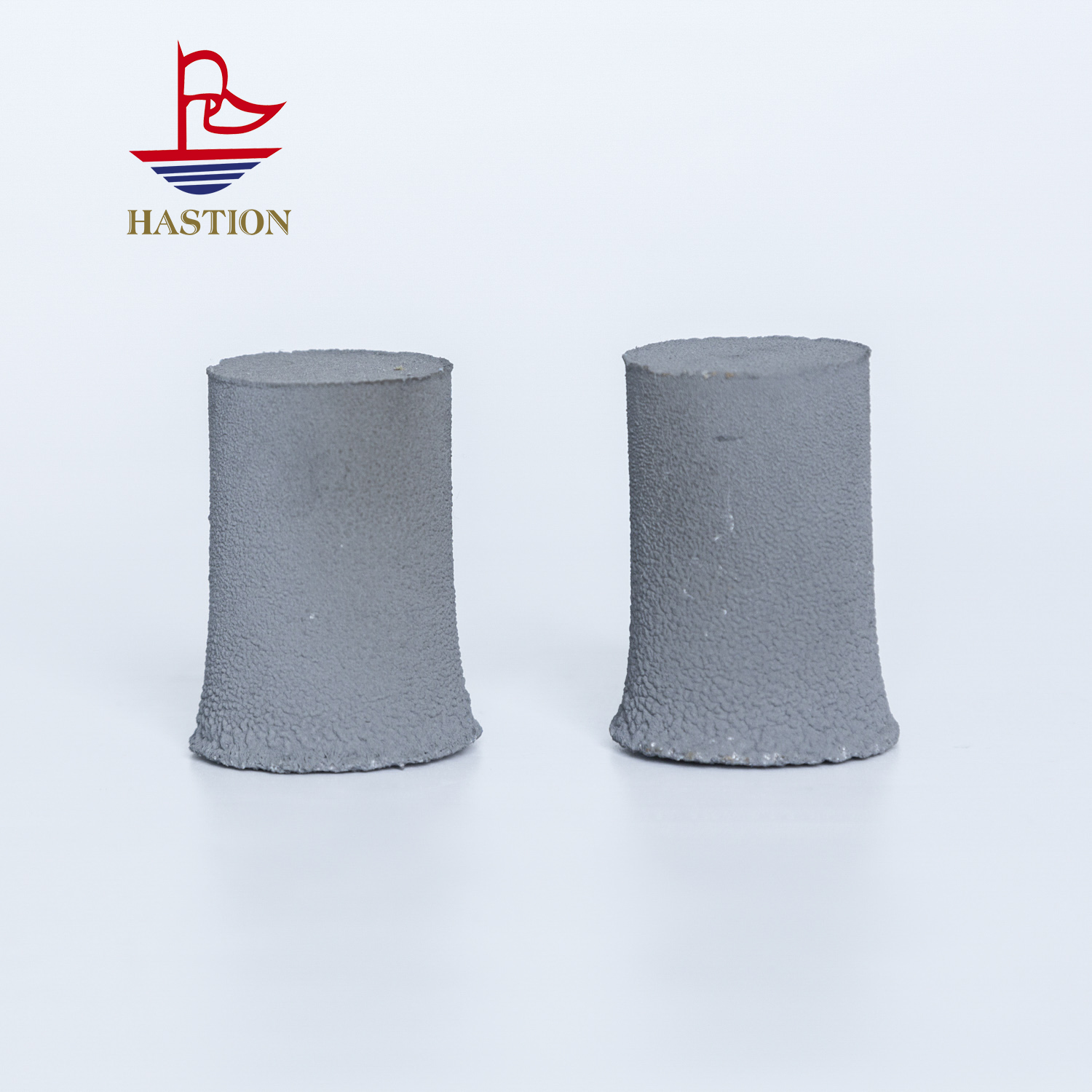
Titanium carbide hard rods support small-batch trial use

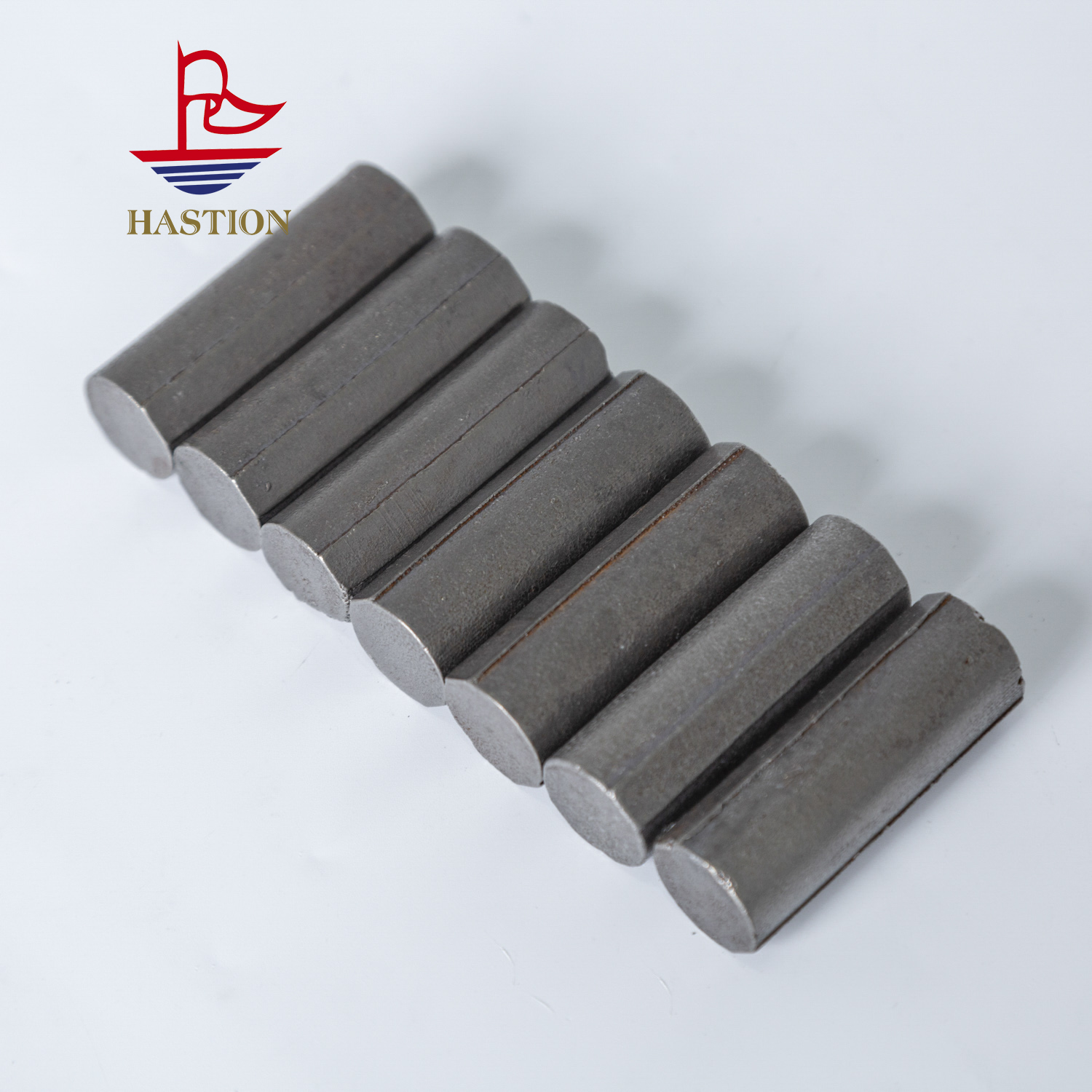
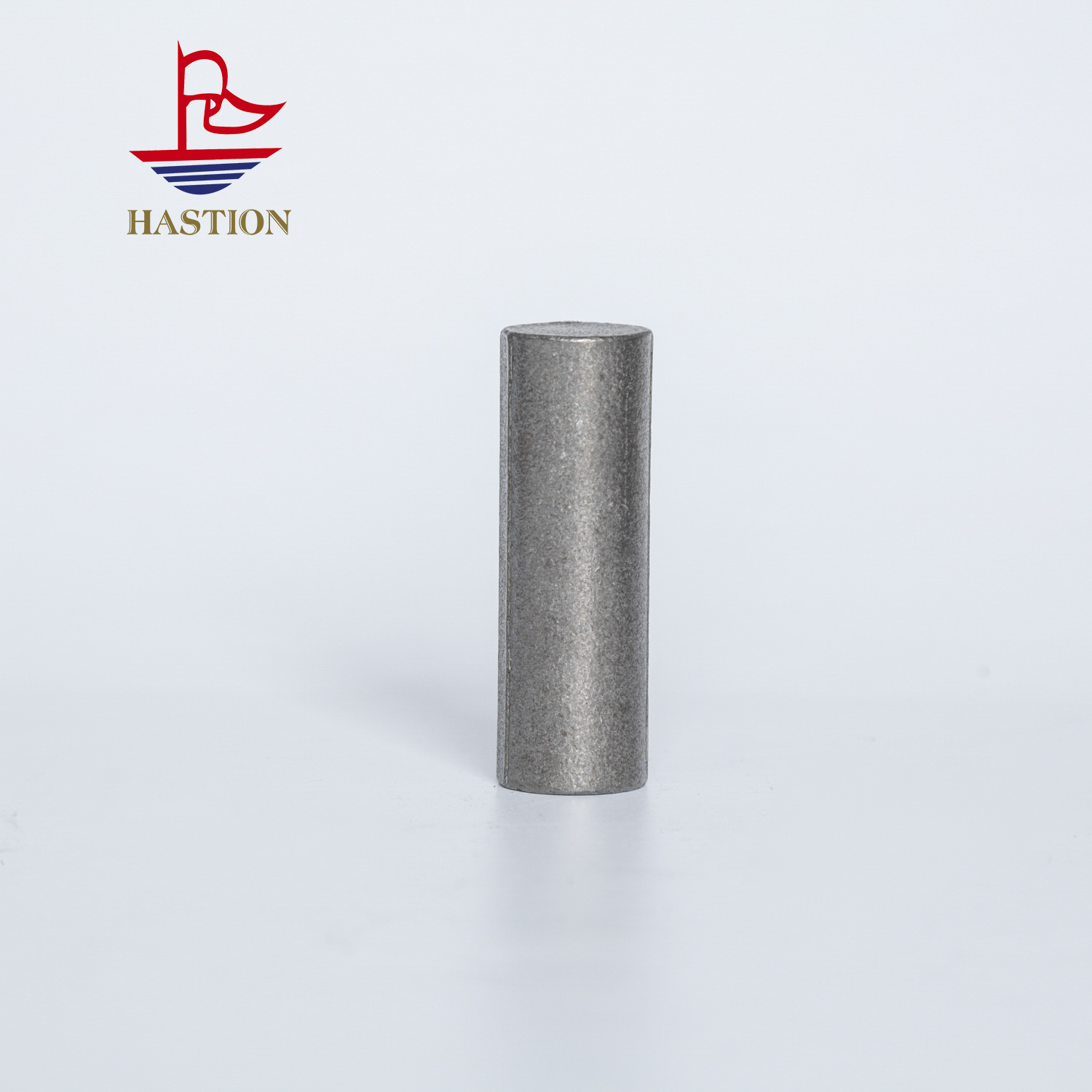
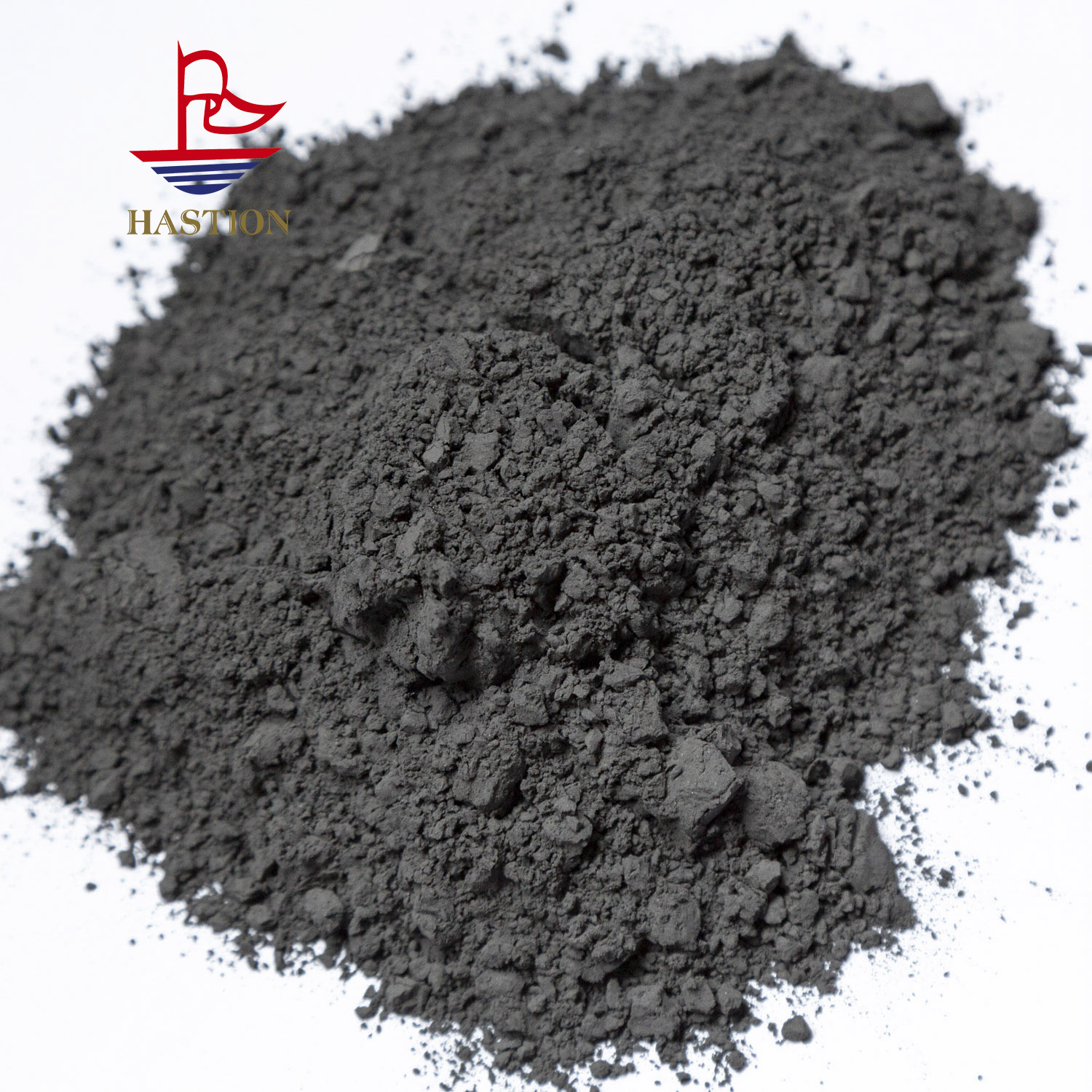
Titanium carbide (TiC) round rods fabricated from tungsten carbide-based cemented carbides exhibit exceptional anti-adhesion properties. During machining of highly adhesive materials—such as aluminum and copper alloys—the incidence of built-up edge (BUE) formation and tool–workpiece adhesion is significantly reduced, thereby enabling stable cutting conditions and achieving superior surface finish integrity. Surface performance—including wear resistance and high-temperature oxidation resistance—can be further enhanced via advanced physical vapor deposition (PVD) coatings (e.g., TiAlN), extending tool service life by over 50% relative to uncoated counterparts. In the medical device sector, these rods are precision-machined into orthopedic surgical instruments, where they maintain dimensional stability and edge retention under repeated autoclaving cycles (up to 134 °C), ensuring both functional sharpness and long-term sterility compliance. Leveraging advancements in additive manufacturing, TiC-reinforced tungsten carbide powders—derived from comminuted rod stock—are now employed in laser powder bed fusion (LPBF) processes to fabricate near-net-shape components; sintered-equivalent density (>99.5% of theoretical density) and mechanical performance comparable to conventionally sintered parts have been consistently achieved. In photovoltaic manufacturing, TiC-based cutting tools are utilized for silicon wafer slicing, enabling tight control of kerf loss and thickness tolerance within ±1 μm—thereby minimizing material waste and enhancing solar cell conversion efficiency. Owing to this broad spectrum of high-performance attributes across diverse industrial domains, titanium carbide–enhanced cemented carbide constitutes a critical enabling material for advanced manufacturing applications.
Other supplier products
|
|
3D printed precision parts titanium carbide powder |
The particle morphology of this powder is controllable and can be made into spherical, quasi-spherical or irregular shapes to meet the requirements... |
|
|
For high precision machining of titanium carbide round bars. |
Titanium carbide alloy round bar is a high-performance material product made of titanium carbide as the base, by adding metals, ceramics and othe... |
|
|
Durable hard alloy titanium carbide guide wheel |
This type of guide wheel can be customized with groove shapes according to the specifications of the wire or pipe, such as V-shaped, U-shaped, semi... |
|
|
Professional customized specification guide rollers |
For the rolling mill, guide rollers (also called ring rollers, guide wheel) is an indispensable part of wires export in the wires rolling process... |
|
|
Titanium carbide rods with fully customizable specifications |
Compared with traditional high-speed steel bars, the cutting speed of hard alloy titanium carbide round bars can be increased by 3 to 5 times, whic... |
供应产品
Same products