

Phospholipid Raw Material nutrient additives

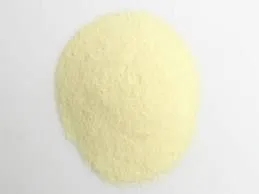
Phospholipids are a type of lipid containing phosphate groups and are classified as complex lipids. They have amphipathic properties, with one end being a hydrophilic head containing nitrogen or phosphorus and the other end being a hydrophobic (lipophilic) hydrocarbon chain. This structure allows phospholipids to function as emulsifiers, acting as a bridge between oil and water to tightly combine the two.Phospholipids are mainly sourced from animals and plants, such as egg yolks, milk, and soybeans. Among these, soybean phospholipids are one of the most commonly used sources of phospholipids in chocolate production. Soybean phospholipids are natural, safe, and easily accessible, which makes them widely applied in the food industry. In chocolate production, phospholipids help bind sugars and fats together, distributing the fat evenly on the surface of the sugar, increasing interfacial activity, reducing viscosity, and improving flowability.
Applications of Phospholipids in Chocolate Production
- Emulsification: Phospholipids prevent oil and water separation, giving chocolate a smoother texture and enhancing its mouthfeel. At the same time, phospholipids improve the brittleness of chocolate, enhancing its sensory qualities.
- Cost Reduction: Since phospholipids lower the viscosity of chocolate, they can partially replace cocoa butter, thereby reducing costs. For example, a 60-65% pure commercial phospholipid can replace approximately 9-10 parts of cocoa butter.
- Stability Improvement: Phospholipids prevent the formation of white bloom on chocolate during storage and transportation, improving product stability.
The typical amount of phospholipid added in chocolate production is between 0.3% and 0.5%. Excessive addition may affect the taste and quality of the chocolate. Phospholipids should be added gradually during the refining process; if added too early, the material becomes too thin, which affects the movement and friction of the mixture, hindering the evaporation of moisture and volatile substances. Therefore, the timing and quantity of phospholipid addition need to be determined based on the specific production process and product requirements.
As a common emulsifier in chocolate production, phospholipids play multiple roles such as emulsification, cost reduction, and stability improvement. The amount and timing of phospholipid addition should be carefully considered according to the specific production process and product requirements. Additionally, the source of phospholipids should also be monitored to ensure product safety and quality.
Send product request
Other supplier products
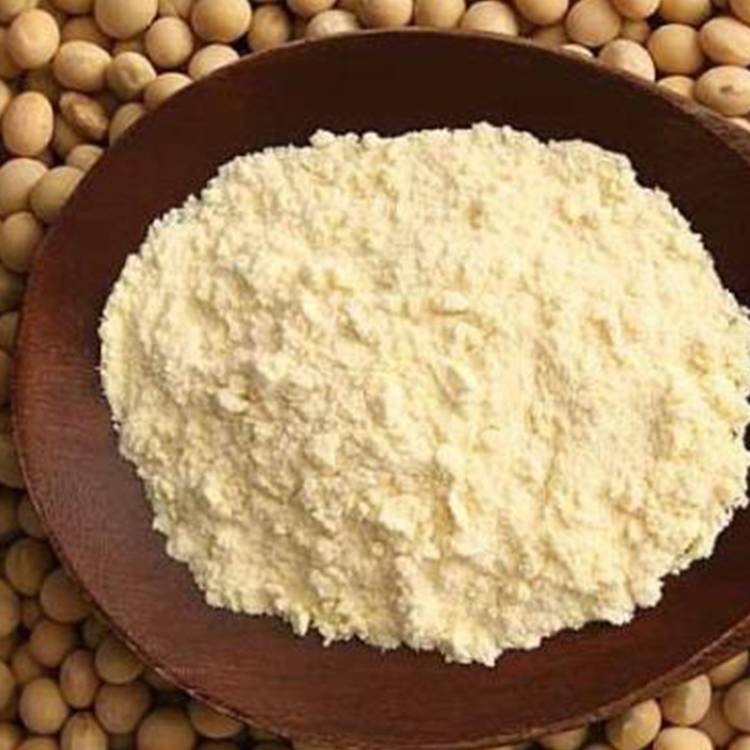 |
Phosphatidylserine Special Functions | The main effects of phosphatidylserine powder are reflected in the improvement of nerve cell function, the regulation of nerve impulse conduction, ... |
 |
Phospholipid Raw Material Exporter | A phospholipid is a class of lipids (fats) that serve as fundamental building blocks of biological membranes (e.g., cell membranes, organelle membr... |
 |
Phospholipids as Food additive | Phospholipids are not just additives—they are also essential nutrients (rich in choline, linoleic acid, and phosphatidylserine). This makes t... |
 |
Phospholipid powder Partners, long-term cooperation | Phospholipids are naturally present in breast milk and are critical for infant development, making them essential in infant formulas and pediatric ... |
 |
Phospholipid Supplier | Soy phospholipid is often referred to as the "third nutrient" alongside vitamins and proteins. The main component of soy phospholipid, phospholipid... |
Same products
 |
Deboom Energetic Graphene Oil Additive | Seller: Shanghai Aikebao New Material Technology Co., Ltd | Asgraphene oil additive manufacturerspecializing in automotive solutions, we understand the criti... |
 |
High quality N‑Acetyl‑L‑Tryptophan Powder | Seller: 846340 | Basic Information of N‑Acetyl‑L‑Tryptophan 1. Core Identity Chemical Name: N‑α‑Acetyl‑L‑try... |
 |
N‑Acetyl‑L‑Tryptophan Powder Price | Seller: 846340 | Key Points for Storing N‑Acetyl‑L‑Tryptophan (NAT) Short, practical storage rules focusing on moi... |
 |
N-Acetyl-L-Tryptophan Powder Marke quotation | Seller: 846340 | Precautions for the Use of N‑Acetyl‑L‑Tryptophan (NAT) Below is a clear, practical summary of pre... |
 |
Wholesale N-Acetyl-L-Tryptophan Powder | Seller: 846340 | N‑Acetyl‑L‑Tryptophan as Key Advantages for Food Applications High stability: Withstands processi... |

