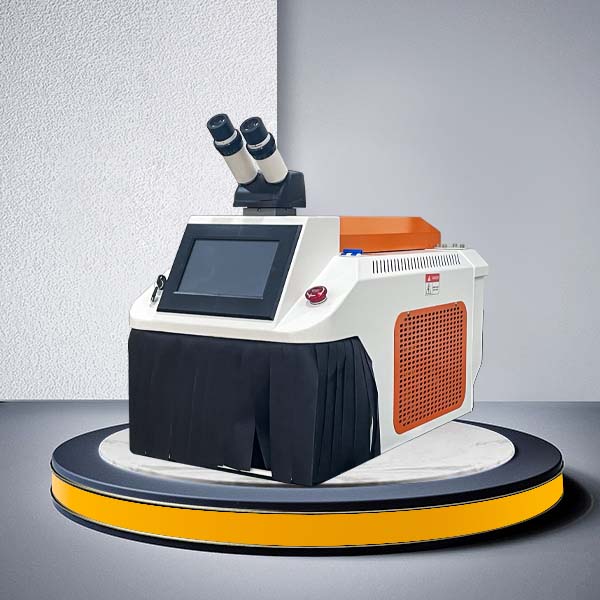
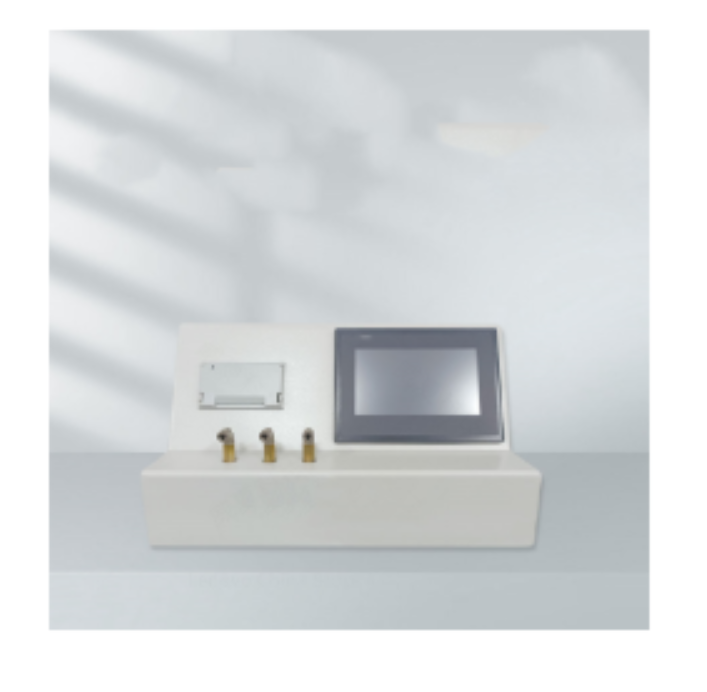
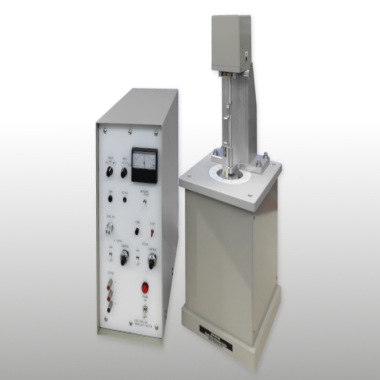
Automatic catheter airflow resistance apparatus

Whats/App: +86 156 1874 6768
Web: standard-groups.com
Applications
The catheter airflow resistance tester is an important tool for evaluating the resistance of gas flow in catheters. It is specifically designed to measure the airflow resistance inside medical devices such as breathing catheters. It is widely applied in multiple fields, including medical care, environmental protection, and the chemical industry. Especially in the production and quality - control processes of medical devices, this tester plays a crucial role. Through testing, it can ensure that catheter - related products like breathing tubes can meet the predetermined performance standards, thereby improving the overall product quality and production efficiency. In the medical field, the tester is used to assess the performance of breathing circuits for anesthesia machines and ventilators, ensuring that the products meet relevant standards and requirements.
Standards
YY0461 - 2003:Technical Requirements for Protective Masks for Medical Use
Technical Parameters
| Parameter | Specification |
|---|---|
| Pressure Measurement Range | Usually 0.01kPa to 10kPa; error ≤ ±1%; display resolution: 0.01kPa. This range covers airflow resistance measurement requirements for most catheters. |
| Flow Measurement Range | Typically 0L/min to 50L/min (varies by tester model), enabling airflow resistance testing of catheters under different flow conditions. |
| Test Duration | Usually 1 second to 10 minutes; error ≤ ±1 second. This range ensures test accuracy and stability. |
| Accuracy | Pressure measurement accuracy: ±0.01kPa; flow measurement accuracy: ±2.5% (or lower, depending on specific model). |
Accessoriess
Standard accessories: Dedicated clamps/connectors for different diameter tubes, airflow connecting tubing, sensor calibration parts, operating manual, and calibration certificate.
Optional accessories: Sample fixing bracket (for assisting tube installation), data export cable (for some models).
Test Procedures
1. Preparation
Ensure the instrument is in normal working condition and check that the power cord, sensors, and other components are intact. Connect the tubing and ensure a good seal between the tubing and the instrument interface.
2. Setting Parameters
According to the test requirements, set the relevant parameters of the instrument, such as flow rate and pressure measurement range.
3. Starting the Test
Start the instrument to begin the test. The instrument will automatically inject gas into the tubing and measure the pressure difference between the inlet and outlet. Based on the measurement results, the instrument will calculate the airflow resistance of the tubing.
4. Data Recording and Analysis
After the test is completed, the instrument will output the test results. The operator should carefully record this data and analyze it to evaluate the performance of the tubing.
Send product request
Other supplier products
 |
Medical Face Mask Synthetic Blood Penetration Test machine | Whats/App: +86 156 1874 6768 Web: standard-groups.com Applicable Standards: GB 19083-2010 YY/T 0691-2008 YY 0469-2011 ISO 22609 ASTM F1862-0... |
 |
Glass Bottle Internal Pressure Strength Testing Machine | Whats/App: +86 156 1874 6768 Web: standard-groups.com Introduction The internal pressure resistance tester for glass bottles is a device specifi... |
 |
Foam Repeated Compression Tester | Whats/App: +86 156 1874 6768 Web: standard-groups.com Foam repeated compression testing machine will accurately measure the thickness of the test... |
 |
Single - Strand Bending Test device | Whats/App: +86 156 1874 6768 Web: standard-groups.com Standards ASTM A370. ASTM A416. ISO6934.4 The Single Fiber Bending Tester makes it possib... |
 |
ASTM D2303 tracking index tester | Whats/App: +86 156 1874 6768 Web: standard-groups.com Standards The tester complies with the following national, industry, and international sta... |