

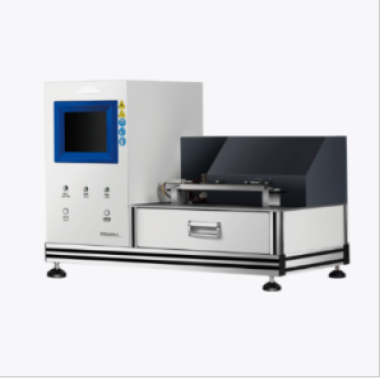
Solid Combustion Rate Tester

Whats/App: +86 156 1874 6768
Web: standard-groups.com
This product complies with "Recommendations on the Transport of Dangerous Goods - Manual of Tests and Criteria" 33.2.1.4 Test N.1: Test Method for Flammable Solids issued by the United Nations, GB/T 21618 - 2008 Test Method for Burning Rate of Flammable Solids in Dangerous Goods, and NY/T 1860.15 - 2010 *Guidelines for Physicochemical Property Testing of Agricultural Chemicals - Part 15: Solid Flammability.
Applications
This testing instrument is used to determine the ability of a substance to propagate combustion. After igniting the substance, the combustion time is determined. It is suitable for granular, pasty, or powdery substances.
Standards
It conforms to the United Nations Recommendations on the Transport of Dangerous Goods - Manual of Tests and Criteria 33.2.1.4 Test N.1: Test Method for Flammable Solids; conforms to GB/T 21618-2008 "Dangerous Goods - Test Method for Burning Rate of Flammable Solids"; conforms to NY/T 1860.15-2010 "Guidelines for Determination of Physicochemical Properties of Pesticides - Part 15: Flammability of Solids"; conforms to GB 5085.4 "Identification Standards for Hazardous Waste - Flammability Identification" 4.2 Flammable Solid Test; conforms to GAT536 "Classification and Test Methods for Fire Hazards of Flammable and Explosive Hazardous Goods"; and conforms to national standards and industry standards that are equivalent or equivalent to the above standards.
Features
1. It adopts an embedded processor and Windows CE operating system.
2. With an 8 - inch liquid - crystal touch screen, it can display the test status in real - time.
3. It integrates two functions, "sieving experiment" and "combustion rate experiment", into one.
4. It is applicable to the detection of two types of sample materials: non - metallic powder and metallic powder.
5. It is equipped with a standard stacking mold and features a user - friendly shaking handle design.
6. Strictly in accordance with standard requirements, an ignition torch is used for the sieving experiment, eliminating the need for a gas cylinder and ensuring safety.
7. A nitrogen rod is used as the ignition source for the combustion rate experiment. The material has high stability, and the ignition source temperature detection device ensures that the ignition temperature reaches above 1000°C.
8. It uses full - automatic infrared flame detection technology, which can reliably detect open flames and smoldering phenomena, ensuring detection accuracy.
9. It has a fault - detection function and audible and visual alarm functions to ensure the safety of the experiment.
10. The experimental process is fully automated, requiring no manual intervention. It supports functions such as parameter setting, data storage, and report viewing.
Technical Parameters
|
Operating environment |
(5~40)°C, <85%RH |
|
Ignition source temperature |
≥1000°C |
|
Ignition method |
Gas igniter with nitrogen-silicon rod |
|
Combustion detection stroke |
(0~250)mm |
|
Combustion distance measurement accuracy |
±0.5mm |
|
Timing range |
5min (non-metallic); 20min (metallic) |
|
Timing display resolution |
0.1s |
|
Pile stack mold |
Triangular-shaped molds 260mm long, 20mm wide, profiled to an inner height of 10mm |
|
Burner plate |
Flat plate made of corundum mullite, impervious to penetration, non-combustible, and with low thermal conductivity |
Accessoriess
1. Core Working Components
Sieving Experiment Module
Standard Stacking Mold (compliant with UN Test N.1 requirements): Used for sample sieving and dispersion, adaptable to loading different powder samples;
Vibrating Handle (user-friendly design): Aids in uniform sample distribution within the mold, improving sieving consistency;
Gas Canister-Free Ignition Gun: Meets the safety ignition requirements of sieving experiments, eliminating the need for an external gas canister.
Combustion Rate Testing Module
Nitriding Rod Ignition Source: High-temperature resistant material, ignition temperature can stably reach over 1000℃ (meets standard requirements);
Dedicated Combustion Chamber: Adaptable to combustion testing of both non-metallic and metallic powder samples.
Control and Detection Module
8-inch LCD Touch Screen (equipped with Windows CE system): Real-time display of test status, supports parameter setting/data viewing;
Embedded Processor: Enables fully automated control of the experimental process;
Fully Automatic Infrared Flame Detection Device: Accurately identifies open flame and smoldering phenomena, ensuring detection accuracy;
Audible and Visual Alarm Device: Automatically triggers warnings in case of malfunction or experimental risk.
Automated Unit
Experimental Parameter Storage/Report Generation Module: Supports data export and report viewing.
2. Auxiliary Accessories
Sample Processing: Standard sieves (to match experimental particle size requirements), sample drying oven (to control sample moisture content), quantitative sample spoon;
Calibration and Maintenance: Standard combustion rate sample (for instrument calibration), cleaning brush/cotton swabs (to clean mold/cavity residue);
Operating Tools: High-temperature resistant protective gloves, data export USB flash drive (for storing test reports).
Test Procedures
1. Sample Preparation
Dry the solid material to be tested (non-metallic/metallic powder) to ensure the moisture content meets the corresponding standard (e.g., GB/T 21618-2008 requirements); If it is a block material, grind it into powder and then pass it through a standard sieve to ensure uniform particle size.
2. Instrument Preparation
Start the instrument and access the Windows CE system via the 8-inch touchscreen. The instrument will automatically complete a self-check;
Select the modules according to the testing requirements:
Sieving Experiment: Install the standard stacking mold;
Combustion Rate Experiment: Adjust the nitriding rod ignition source (ensure the temperature ≥1000℃);
Calibrate the instrument using a standard combustion rate sample to verify the accuracy of infrared flame detection.
3. Sieving Experiment Operation (corresponding to UN Test N.1)
Load the quantitatively processed sample into the standard stacking mold and use the vibrating handle to sieve and disperse the sample;
Set the experimental parameters on the touchscreen and start the gas-free ignition gun for ignition;
The infrared detection device monitors in real time and records whether the sample continues to burn.
4. Combustion Rate Experiment Procedure (corresponding to GB/T
Evenly spread the powder sample to be tested into the combustion chamber;
Set the ignition source parameters for the nitriding rod and start the fully automatic experimental procedure;
The instrument automatically completes ignition and combustion process monitoring, recording data such as combustion time and flame propagation speed;
The system automatically calculates and outputs the combustion rate of the sample.
5. Data Processing and Conclusion
After the experiment, view/export the test report via the touchscreen (data storage supported);
After the instrument cools down, clean the mold and chamber of any sample residue using cleaning tools;
Turn off the power to complete the experiment.
Send product request
Other supplier products
 |
Metallic Cables and Wire Ropes Mechanical Property Test device | Whats/App: +86 156 1874 6768 Web: standard-groups.com Standard YY/T 0812-2010 (China): Specifies mechanical testing protocols for metal cables/c... |
 |
Helmets Xenon Lamp Aging Tester | Whats/App: +86 156 1874 6768 Web: standard-groups.com Standards ISO 4892-2: Plastics—Methods of exposure to laboratory light sources&mdash... |
 |
Best commercial steamer for clothes | Whats/App: +86 156 1874 6768 Web: standard-groups.com Standards ISO 15797: Industrial washing and drying procedures for textiles. GB/T 4288-201... |
 |
IEC 60335 Rice Cooker Button Life Test Machine Manufacturer China | Get a quote: Whats/App: +86 156 1874 6768 Web: standard-groups.com Standards (1) IEC 60335-1 Household and similar electrical appliances &ndash... |
 |
UV Exposure Test Machine丨UV Exposure Tester | Whats/App: +86 156 1874 6768 Web: standard-groups.com Features and Benefits 1.Accelerated aging testing can simulate the aging effect of mater... |
Same products
 |
KL‑016A Benchtop High‑precision pH Meter | Seller: Kelilong Electron Co.Ltd | Product Description: Large‑screen display with high resolution and precision for con... |
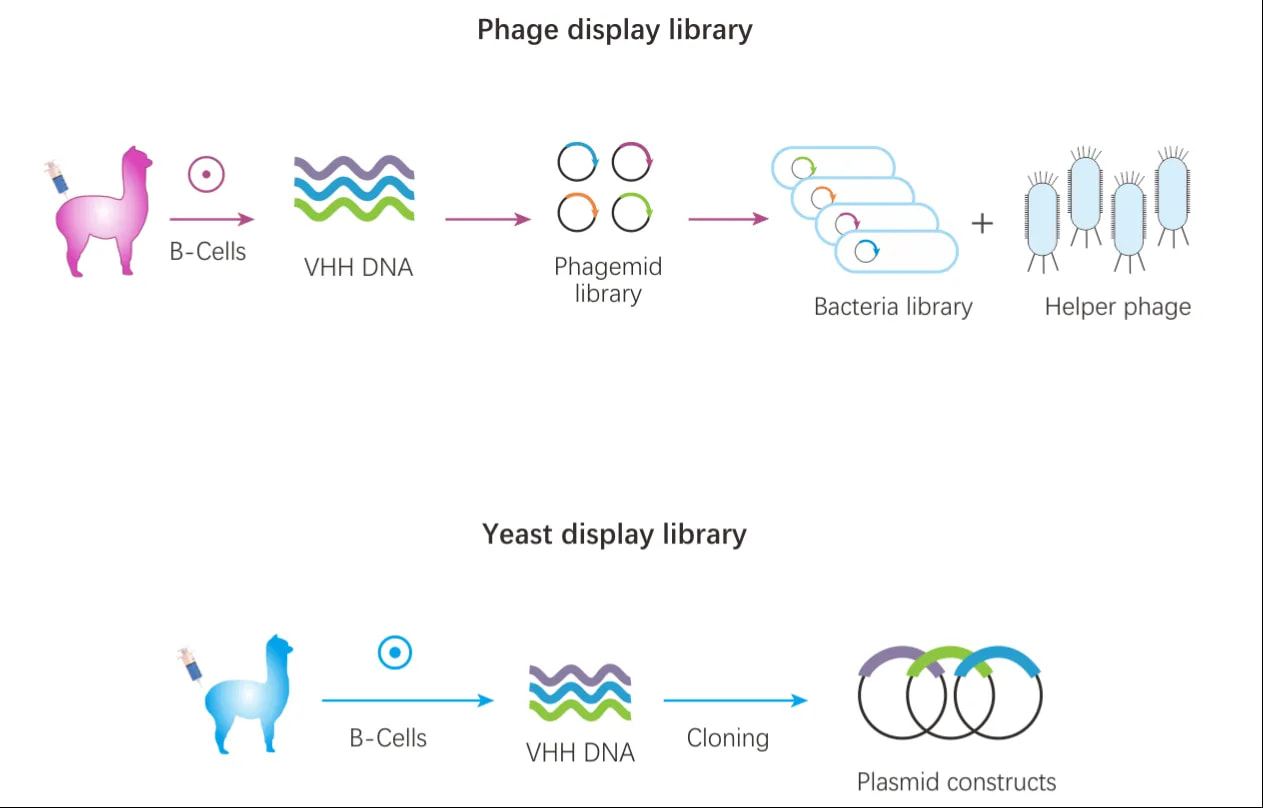 |
Large Naïve VHH Library | Seller: AlpVHHs | Large Naïve VHH Library VHHare single-domain antibodies derived from the variable regions o... |
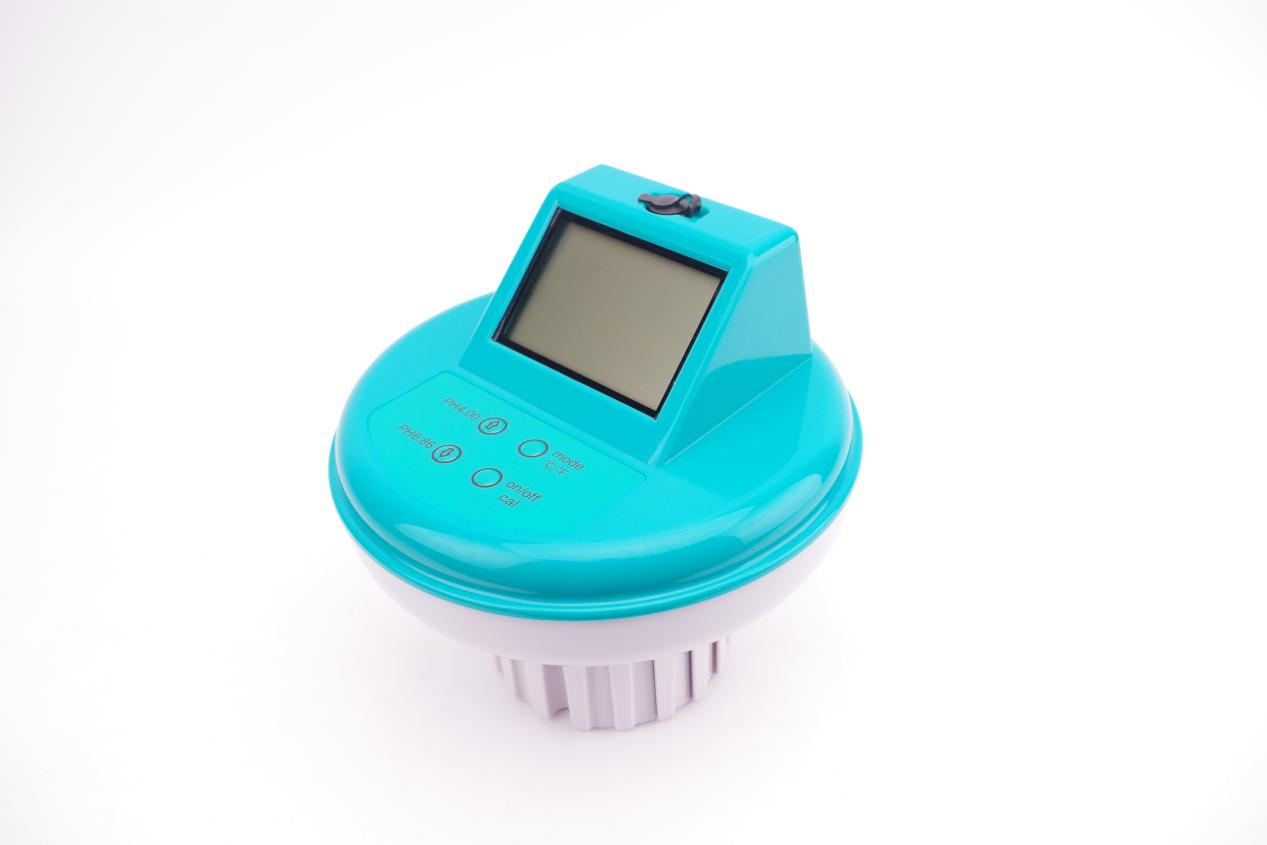 |
pH-2398 pH/EC/ORP/Temperature multi-parameter Water Quality Tester | Seller: Kelilong Electron Co.,Ltd | Feature Large display screen, capable of simultaneously measuring water quality pH, redox potent... |
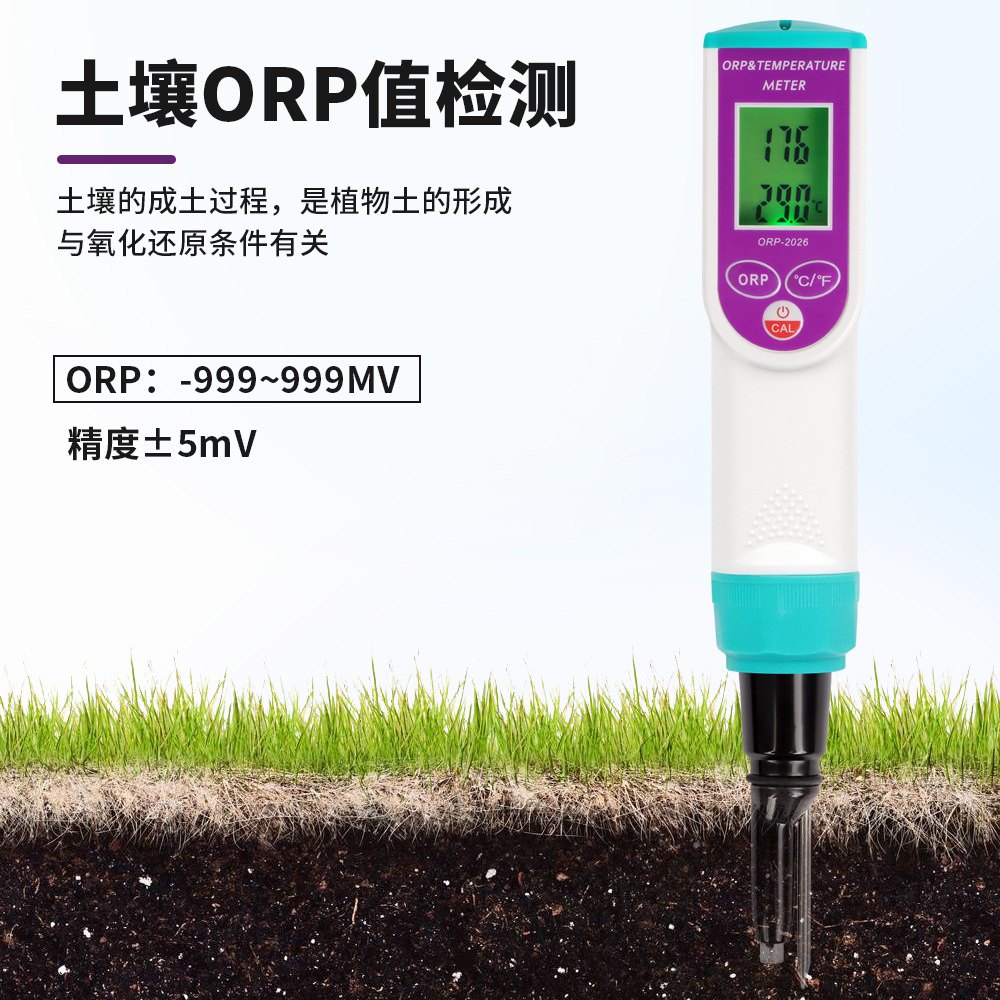 |
ORP-2026S Waterproof Soil ORP and Temperature Meter | Seller: Kelilong Electron Co.,Ltd | 范围 ORP -999~999mV Temp 0~50℃ 分辨率 ORP 1mV... |
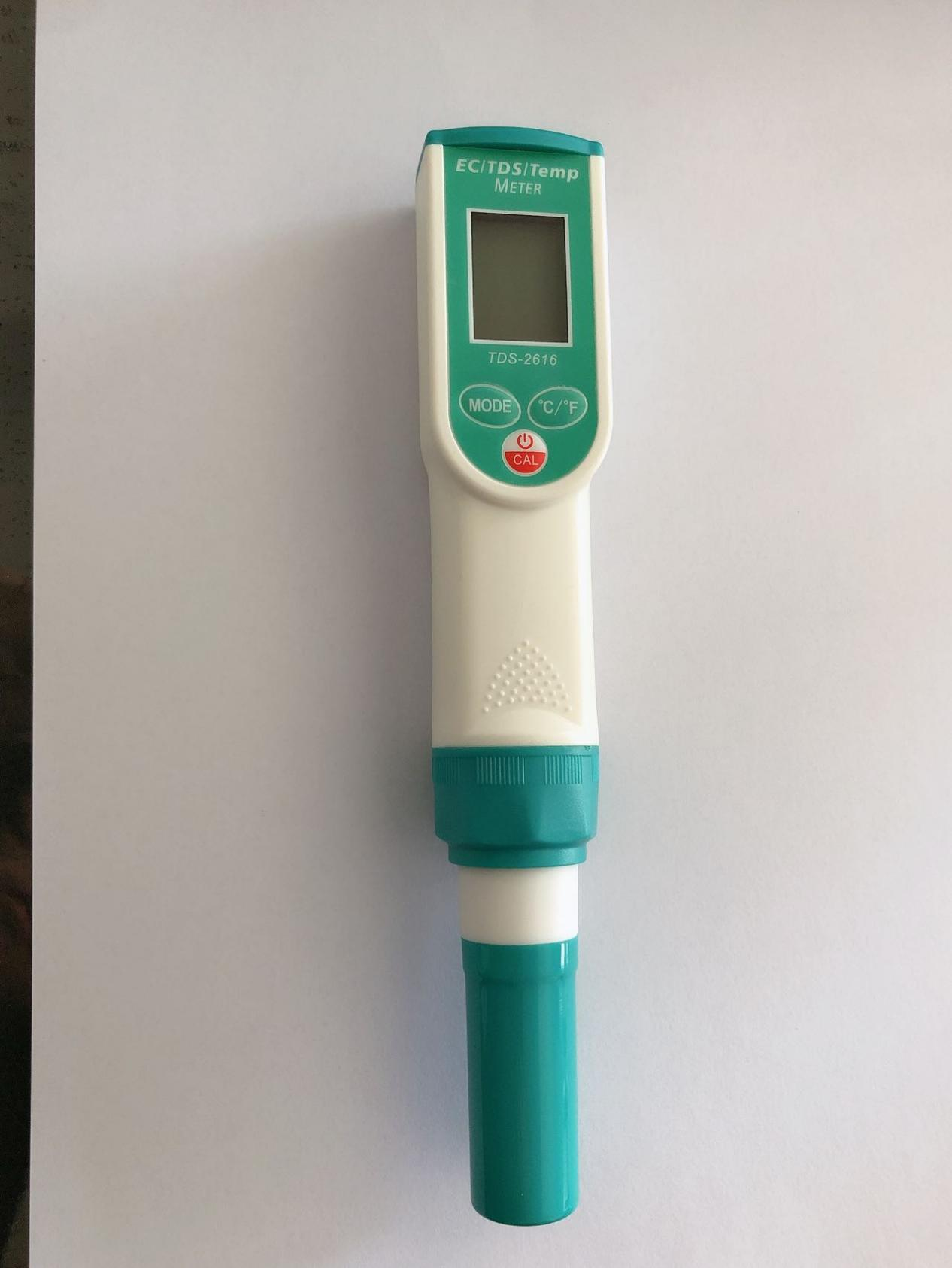 |
TDS-2616 Waterproof EC/TDS/Temperature Meter | Seller: Kelilong Electron Co.,Ltd | Range EC ~19.9mS TDS Temp 0~50℃ R... |

