

Particle Abrasion Tester

Whats/App: +86 156 1874 6768
Web: standard-groups.com
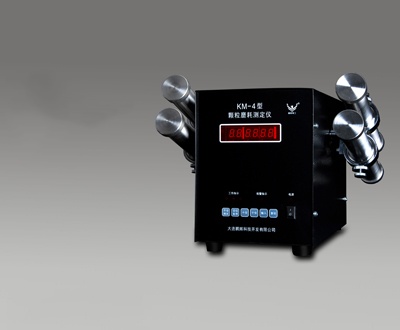
The Particle Abrasion Tester (Q-4D) is a precision instrument designed to measure the wear rate of granular materials such as catalysts, molecular sieves, adsorbents, activated alumina, and wood activated carbon. Based on national standards, it provides a controlled and repeatable method for evaluating particle durability under simulated industrial conditions. The Q-4D improves upon its predecessor (Q-3) with enhanced performance, optimized structure, and greater operational stability, making it suitable for chemical, pharmaceutical, petroleum, and material research laboratories.
Application
(1) Determining wear rate of fertilizer catalysts, molecular sieves, and adsorbents
(2) Evaluating the mechanical durability of industrial activated alumina
(3) Testing strength and abrasion resistance of wood activated carbon
(4) Quality control in chemical and pharmaceutical production
(5) Research and development for new granular materials with improved durability
(6) Comparative testing of particle materials to optimize process efficiency
Standards
(1) GB 3636-83 — Method for determination of wear rate of catalysts, molecular sieves, adsorbents
(2) GB 10504-2008 — 3A Molecular Sieve
(3) HG/2524-2011 — 4A Molecular Sieve
(4) GB 13550-92 — 5A Molecular Sieve
(5) GB/T 12496.22-90 — Test method for strength determination of wood activated carbon
(6) HG/T 3927-2007 — Industrial activated alumina wear testing
(7) ISO 3270 — Determination of particle size distribution and durability of granular materials (international standard reference)
(8) ASTM D4179 — Standard test method for wear of granular catalysts
Features
(1) Stepper motor with single-chip microcomputer control for precise, stable, and uniform grinding speed
(2) Low noise operation for improved laboratory comfort
(3) LED indicators display real-time working status clearly and intuitively
(4) Adjustable speed settings (25–100 r/min) to accommodate different material types and test requirements
(5) Functions include preset speed, alarm settings, and automatic pause for enhanced safety and control
(6) Dual grinding cylinder sizes (Φ36×300 mm and Φ50×300 mm) for versatility
(7) High stability and low failure rate, ensuring long-term reliable operation
(8) Simple and intuitive operation, suitable for routine laboratory and industrial testing
Parameters
| Item | Description |
|---|---|
| Speed range | 25, 30, 40, 50, 60, 80, 100 r/min (adjustable) |
| Counting range | 0–9999 r |
| Grinding cylinder inner size | Φ36×300 mm; Φ50×300 mm (two each) |
| Power supply | AC 220V ±10%, 50 Hz |
| Noise | Low, |
| Control system | Single-chip microcomputer with stepper motor |
| LED indicators | Display operational status, speed, and alarms |
| Overall dimensions | 400 × 300 × 450 mm (L × W × H) |
| Net weight | 28 kg |
Accessories
(1) Grinding cylinders (Φ36×300 mm and Φ50×300 mm)
(2) Sample loading trays
(3) Power cord and fuse
(4) User manual
(5) Calibration tools
Test Procedures
(1) Select and install the appropriate grinding cylinder for the material to be tested
(2) Load the sample material into the grinding drum evenly
(3) Set the desired rotation speed using the touch interface or control knob
(4) Preset the test count or duration, and enable alarm/pause settings if required
(5) Start the test and monitor LED indicators for real-time operational status
(6) At the end of the test, remove the sample and evaluate the wear rate based on weight loss or particle size change
(7) Record the results and repeat as necessary for additional samples
Maintenance Information
(1) Clean the grinding cylinders and drum after each test to prevent contamination
(2) Periodically check the stepper motor and electronic control system for proper function
(3) Inspect LED indicators and connections for reliability
(4) Replace worn grinding cylinders to maintain consistent test results
(5) Store the instrument in a clean, dry environment to protect electrical components
Send product request
Other supplier products
 |
Car Seat Launching Headrest Impact Test System | ISO & ECE Compliant Safety Equipment | Get a quote: Whats/App: +86 156 1874 6768 Web: standard-groups.com Features (1) Pneumatic launch system with precise impact velocity control. ... |
 |
Finished shoe bending tester丨Finished shoe bending test mechine | Whats/App: +86 156 1874 6768 Web: standard-groups.com Product Introduction: Finished shoes bending testing machine Finished shoes bending testin... |
 |
Damp Heat Test Chamber | Whats/App: +86 156 1874 6768 Web: standard-groups.com Application The Damp Heat Test Chamber is suitable for: Damp-heat performance testing of ... |
 |
Dry microbial penetration resistance tester | Whats/App: +86 156 1874 6768 Web: standard-groups.com DryMicrobial Penetration Resistance Testeris designed to determine determine the penetratio... |
 |
Bone Cement Four-Point Bending Fatigue Tester | ISO 5833 ASTM F451 System | Get a quote: Whats/App: +86 156 1874 6768 Web: standard-groups.com Standards (1)YY/T 1429 (China): Specifies four-point bending fatigue tests f... |
Same products
 |
KL‑016A Benchtop High‑precision pH Meter | Seller: Kelilong Electron Co.Ltd | Product Description: Large‑screen display with high resolution and precision for con... |
 |
Large Naïve VHH Library | Seller: AlpVHHs | Large Naïve VHH Library VHHare single-domain antibodies derived from the variable regions o... |
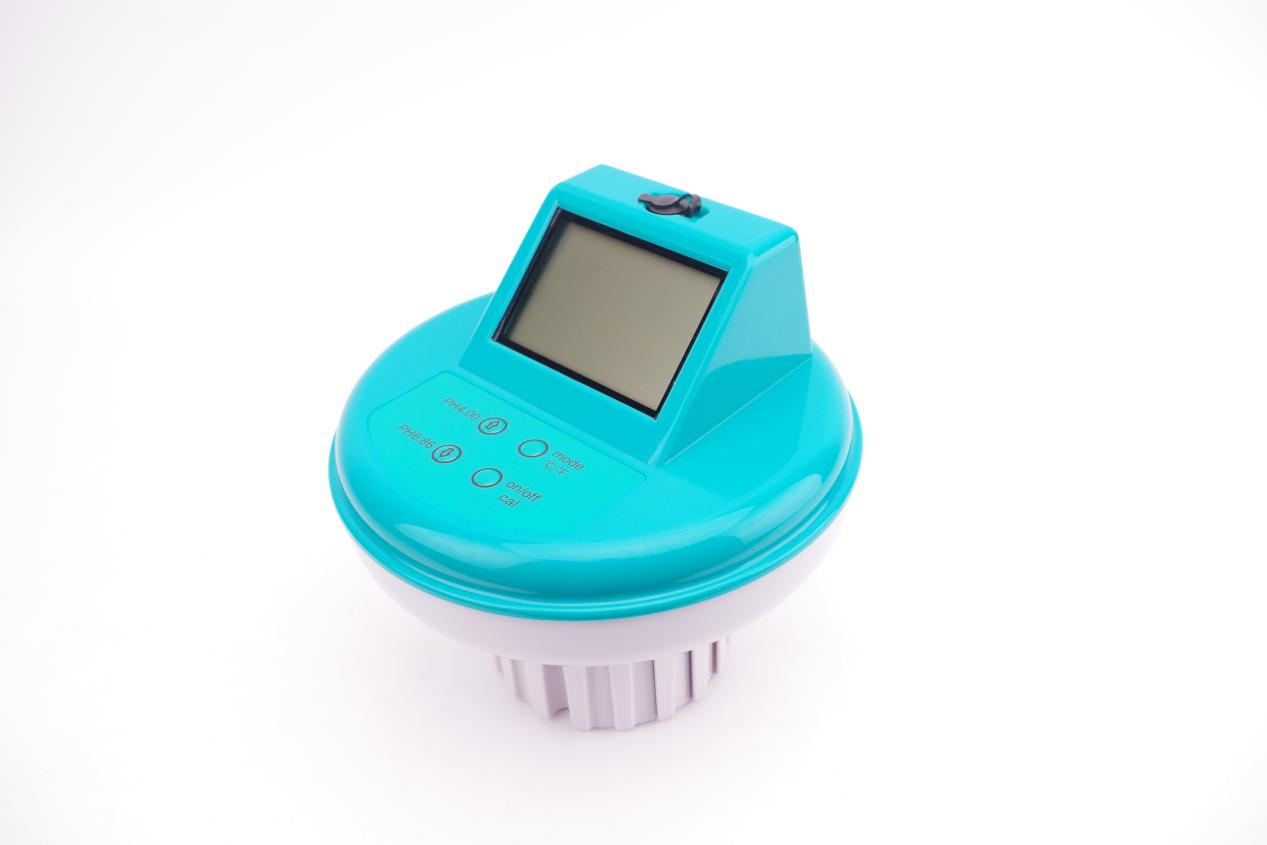 |
pH-2398 pH/EC/ORP/Temperature multi-parameter Water Quality Tester | Seller: Kelilong Electron Co.,Ltd | Feature Large display screen, capable of simultaneously measuring water quality pH, redox potent... |
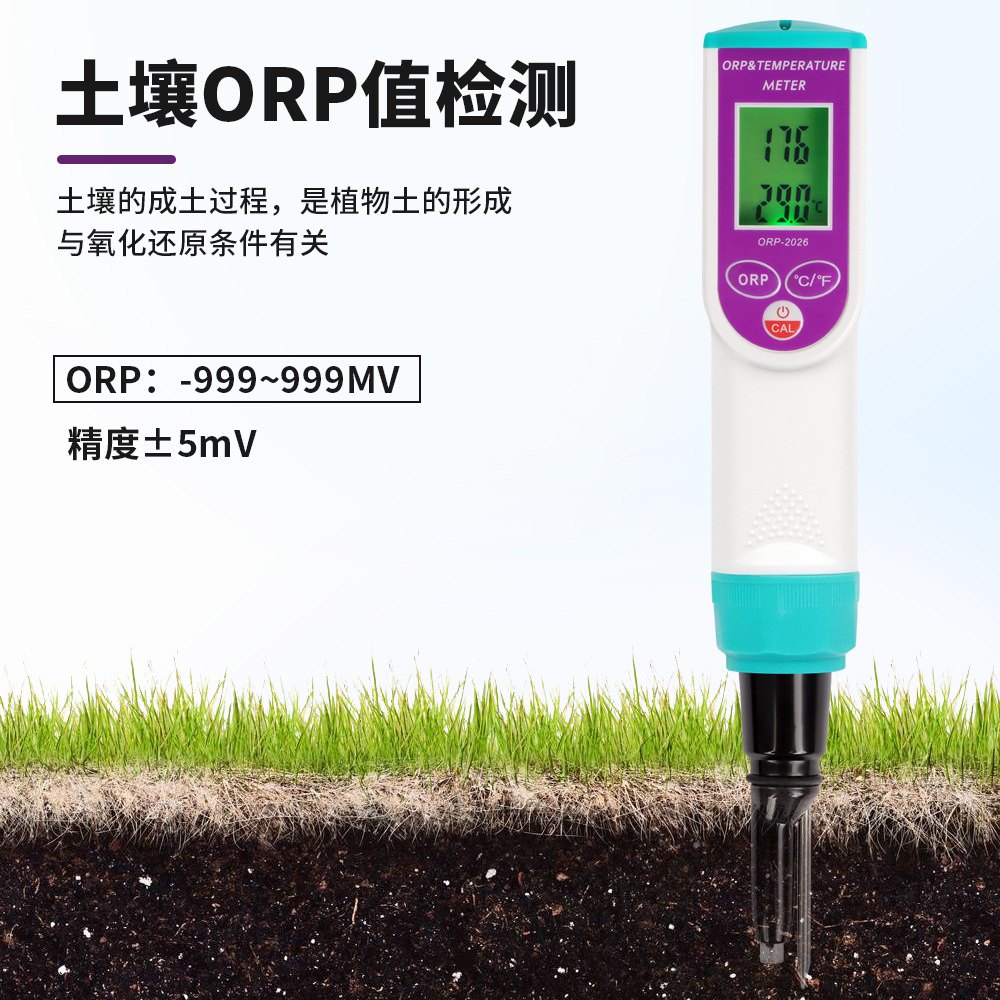 |
ORP-2026S Waterproof Soil ORP and Temperature Meter | Seller: Kelilong Electron Co.,Ltd | 范围 ORP -999~999mV Temp 0~50℃ 分辨率 ORP 1mV... |
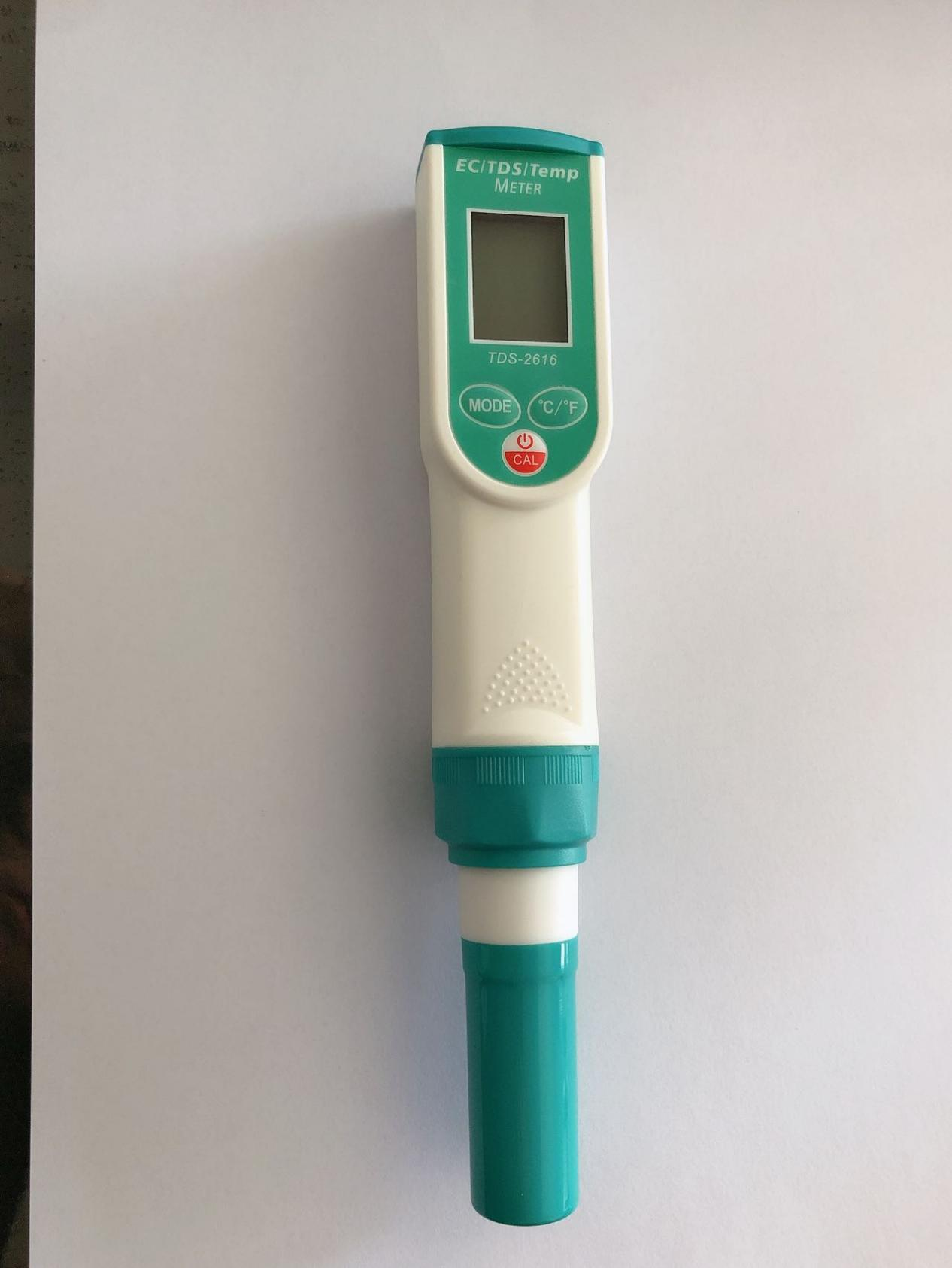 |
TDS-2616 Waterproof EC/TDS/Temperature Meter | Seller: Kelilong Electron Co.,Ltd | Range EC ~19.9mS TDS Temp 0~50℃ R... |

