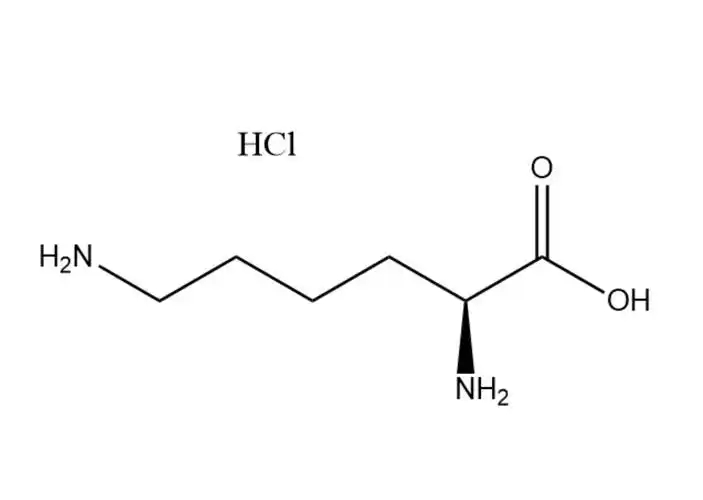
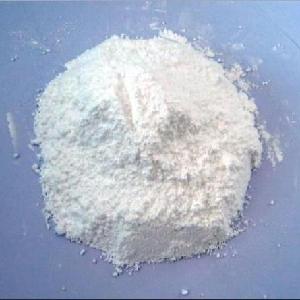
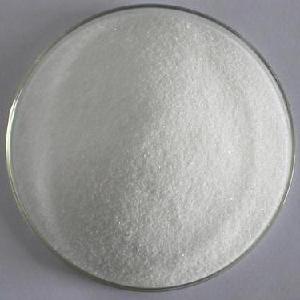
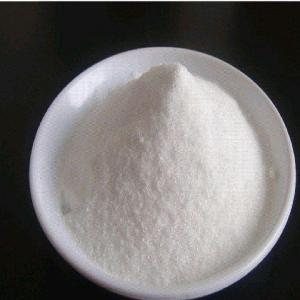
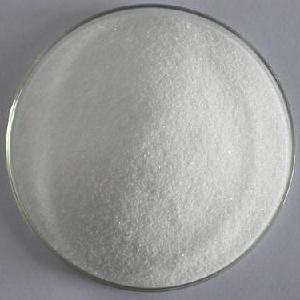
L-Lysine monohydrochloride

Density and Refractive Index of L-Lysine monohydrochloride
Bulk density: 0.6–0.8 g/cm³ (crystalline powder); tap density: 0.8–1.0 g/cm³— favorable for industrial packaging, transportation, and formulation (low caking tendency).
True density: 1.24 g/cm³ (crystalline solid, 25 °C).
Refractive index: nD20 = 1.485 (for a 10% w/v aqueous solution)— a reference value for qualitative and quantitative analysis (e.g., refractometry).
Optical Activity of L-Lysine monohydrochloride
As a chiral L-amino acid salt, it exhibits optical rotation— a key property for identifying its chirality and purity (distinguishing from D-lysine or racemic DL-lysine):
Specific rotation ([α]D25): +20.3° to +21.5° (for a 10% w/v aqueous solution, measured with sodium D line (589 nm), 25 °C, 1 dm polarimeter tube).
The specific rotation is constant for pure L-lysine monohydrochloride; a deviation from this range indicates the presence of D-lysine, racemates, or other impurities— a critical quality control index in industrial production.
Другие товары поставщика
|
|
L-Methionine |
Key Notes on Sources of L-Methionine Bioavailability: L-methionine from animal sources is more bioavailable than plant sources due to the absence o... |
|
|
L-Cysteine hydrochloride monohydrate |
Hygroscopic Properties of L-Cysteine hydrochloride monohydrateL-Cysteine hydrochloride monohydrate readily forms hydrates or dissolves in absorbed ... |
|
|
Glycine |
Glycine is a food-grade amino acid approved by the state. Due to its high safety, sweet taste, and multiple functions such as enhancing flavor, buf... |
|
|
Sucralose |
Sucralose is a trichloro derivative of sucrose (4,1',6'-trichloro-4,1',6'-dideoxy-galactosucrose), and its physical properties are influenced by th... |
|
|
Glycine |
Glycine is an endogenous amino acid in the human body and a fundamental component of proteins. It is extremely safe and is internationally recogniz... |
Все товары поставщика
Похожие товары