L-Methionine


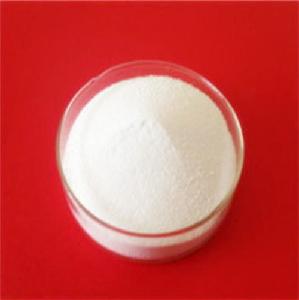
Core Biological Functions of L-Methionine Protein Synthesis Precursor: As an essential amino acid, L-Methionine is a fundamental building block for protein synthesis, participating in the formation of structural proteins (e.g., muscle fibers) and functional proteins (e.g., enzymes, antibodies) in organisms. It initiates the translation process of protein synthesis by acting as the N-terminal amino acid of nascent peptide chains. Methyl Group Donor: The methylthio group in L-Methionine can be activated to form S-adenosylmethionine (SAM), a universal methyl donor in biological systems. It participates in over 100 methyltransferase-catalyzed reactions, regulating the synthesis and metabolism of nucleic acids (DNA/RNA methylation), lipids (cholesterol biosynthesis), neurotransmitters (epinephrine, choline synthesis), and hormones (thyroid hormone activation), thereby influencing gene expression, cell signaling, and metabolic balance. Antioxidant Defense: L-Methionine is a precursor for glutathione (GSH) synthesis—after conversion to cysteine via transsulfuration, it combines with glutamate and glycine to form GSH, a key intracellular antioxidant. GSH scavenges reactive oxygen species (ROS), protects cell membranes from oxidative damage, and maintains the activity of antioxidant enzymes (e.g., glutathione peroxidase). Lipid Metabolism Regulation: It promotes fatty acid oxidation and inhibits fat accumulation in the liver by participating in the synthesis of carnitine (a molecule that transports fatty acids into mitochondria for energy production). This helps prevent fatty liver disease and regulates cholesterol metabolism by facilitating the conversion of homocysteine to cysteine, reducing the risk of hyperhomocysteinemia-related cardiovascular issues.
Отправить запрос, связаться с поставщиком
Другие товары поставщика
 |
L-Cysteine hydrochloride monohydrate | Packaging Requirements1. Primary PackagingSealable Bags/Bottles: Use hermetically sealed bags (e.g., foil-lined packages) or airtight bottles with ... |
 |
L-Cysteine hydrochloride monohydrate | Environmental ConditionsTemperature ControlStore at Room Temperature: Ideally between 15–25°C (59–77°F). Avoid extreme heat or ... |
 |
L-proline | The basic information of L-proline1. Chemical structureMolecular formula: C₅H₉NO₂Molecular weight: 115.13 g/molStructural features: The α -am... |
 |
L-Methionine | Dietary Sources and Applications of L-Methionine Dietary Sources: Rich in animal-derived foods such as meat (beef, pork), fish, eggs, and dairy pro... |
 |
DL-Alanine Powder | Under proper storage conditions, the typical shelf life of DL-Alanine is2–3 yearsfrom the production date (as indicated on the product label)... |