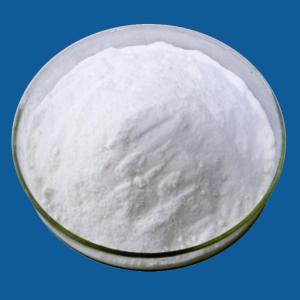
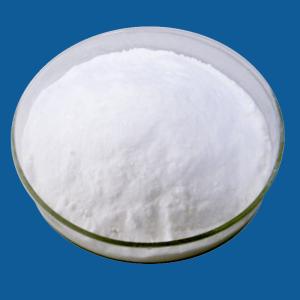
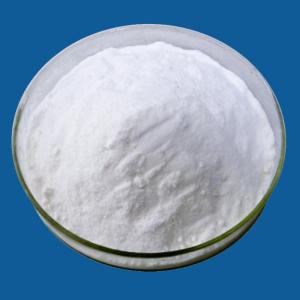
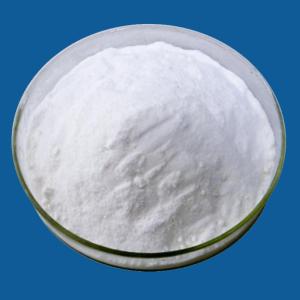
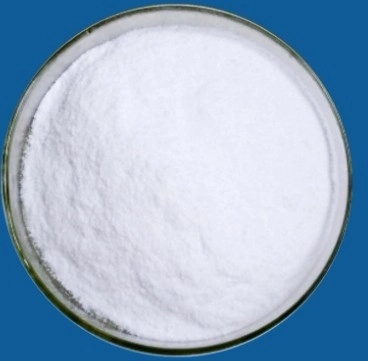
Cystine Disodium Salt
The disulfide bond (-S-S-) and ionic functional groups of Cystine Disodium Salt provide flexible and controllable chemical reactivity, making it a versatile intermediate in organic synthesis and biochemistry.
- Reversible redox reaction of the disulfide bond: Under mild reducing conditions (e.g., with DTT or β-mercaptoethanol), the disulfide bond can be cleaved to generate sodium cysteinate, and this reaction is fully reversible with mild oxidation (e.g., air exposure, hydrogen peroxide). This controllable redox conversion allows for targeted regulation of thiol-disulfide balance in biological systems, which is crucial for applications such as protein refolding and redox signaling research. Unlike some sulfur-containing compounds, the redox reaction of Cystine Disodium Salt does not produce toxic byproducts, ensuring biocompatibility.
- Amphoteric acid-base properties for pH-responsive applications: In acidic conditions (pH < 3.0), its carboxylate groups are protonated, leading to the precipitation of free L-cystine—a reaction that is widely used for the industrial purification of L-cystine with high yield and purity. In strongly alkaline conditions (with heating), it can be hydrolyzed to produce cysteine, serving as a convenient precursor for cysteine production without the need for harsh reagents. This pH-responsive behavior enables one-step conversion between different forms of cystine derivatives, reducing the complexity of synthetic processes.
- Retention of amino group reactivity for derivatization: The primary amino groups of Cystine Disodium Salt retain the ability to undergo acylation, peptide coupling, and ninhydrin reactions. This allows for the synthesis of cystine-containing peptides, prodrugs, and functionalized derivatives, expanding its application in drug development. For example, acylation of the amino groups can improve the lipid solubility of the compound, enhancing its permeability across cell membranes.
Другие товары поставщика
|
|
Glycyl-glycyl-glycine |
International safety certification and regulatory approval for Glycyl-glycyl-glycineThe FDA (Food and Drug Administration of the United States) has... |
|
|
L-Alanyl-L-Tyrosine |
Precautions for L-Alanyl-L-TyrosineShelf life: The shelf life is usually 2 to 3 years under frozen conditions and approximately 1 to 2 years under ... |
|
|
L-Cystine dihydrochloride |
L‑Cystine dihydrochloride is generally stable under proper storage conditions, but its stability is strongly affected by pH, temperature, light, ox... |
|
|
Hydantoin |
Hydantoin in Chemical Industry Intermediates for Organic Synthesis: Hydantoin is a valuable intermediate in the synthesis of various organic compou... |
|
|
Glycyl-glycyl-glycine |
The application of Glycyl-glycyl-glycine in Special diets and infant and toddler foodsInfant formula foodApplication scenarios: Infant formula milk... |
Все товары поставщика
Похожие товары