

Different Types of Powder Coating


WHAT EXACTLY IS POWDER COATING?
Powder coating is a dry coating process used as a metal finish mostly on industrial equipment. Powder coating is applied as dry powder through an electrostatic process, then cured with heat. It is well known for providing high-quality finishes in terms of both functionality and overall look.
The powder coating finishes are not only sturdy but flexible as well. It can be used on different surfaces, including metal, concrete, steel, and plastic. It’s suitable for both indoor and outdoor applications, and it’s one of the most cost-effective finish options.
Basic characteristics of powder coatings
Powder coatings are blends of synthetic resins, pigments and functional additives prepared as a fine powder. Application is carried out by electrostatic or tribo (electrokinetic) spraying, where charged powder particles adhere to a grounded metal surface.
After spraying, the part goes into an oven where, at 160–200°C, the coating melts and cures. The result is a uniform, dense film strongly bonded to the substrate and resistant to mechanical damage, corrosion and environmental exposure.
Unlike liquid paints, powder technology does not require solvents and does not emit VOCs (volatile organic compounds), which significantly reduces environmental impact and helps meet environmental standards (e.g., RoHS, REACH).
Detailed differences between coating families – epoxy, polyester, hybrid and polyurethane – are described in the sections below.
TYPES OF POWDER COATING
There are two types of powder coating, thermosets and thermoplastics.
Thermoplastic powder coating finishes become liquid and very soft when heated. This eliminates chemical bonding. This process makes the powder coating both reversible and reusable.
Thermoplastic coatings tend to be thicker, and hence more durable compared to thermoset coatings. For this reason, they can be used for a plethora of things from metal, auto parts, and even refrigerators.
On the other hand, thermoset powder is quite different in the fact that it forms chemical bonds once cured, making it impossible to recycle it. It is suitable for high heat areas because the bonds prevent it from melting away. This type is much cheaper compared to thermoplastic.
Thermoplastic Resins
Within these two major types of powder coating lie more specific forms of powder coatings based on the resin that is used. Each the resins have different properties that make the powders they are mixed with more suitable for specific applications and environments. If you need a flexible powder coating that provides added resistance to corrosion, then it would be better to select an epoxy based powder coating over a polyester based powder coating.
Nylon
Nylon is one of the most common bases used in thermoplastic powder. More commonly referred to as polyamides, these nylon-based thermoplastics are incredibly durable and provide additional chemical and solvent protection. Polyamide coatings are seen frequently on dishwasher baskets, pipes, valves, and outdoor applications because of its added strength and clean appearance.
Polyester
Thermoplastic polyester powders will not typically require a primer to aid in the adhesion process. Polyester powder coatings can lack some of the impact resistance that other powder coatings may offer, but is still more resistant than traditional liquid paints and coatings. One of polyester powders best properties is its strong resistance to UV. This prevents the powder coating from yellowing or chalking over time.
Polyester powders that are mixed with TGIC (triglycidyl isocyanurate) in the curing process gain additional impact and weather resistance. TGIC polyester makes a great choice for any outdoor items that would need added protection from light, such as patio furniture or panels on large industrial buildings. Polyesters are a versatile form of resin and will commonly be found mixed with others to create a hybrid powder coat.
Epoxy-Polyester Hybrid
Epoxy polyester is a hybrid between two of the most popular powder coating hybrids available. It is more resistant to chalking and over-baking than pure epoxies and coat surfaces to a greater degree. This makes the hybrid a good choice for decorative applications. This powder coating is slightly less resistant to chemicals and solvents and displays a lower surface hardness. This hybrid is usually used for residential applications such as shelving and office furniture.
Thermoset resins
Polyurethane
Not many resins are as versatile as polyester. Polyester can be applied as a thermoplastic or as a thermoset. Polyurethane is a hybrid powder coating of polyester and urethane coatings. Polyurethane has a thin film appearance that is durable and offers strong mechanical and chemical resistance. Polyurethane powder must be applied at a higher heat in the curing process which means parts that contain lead, cast, and sometimes aluminum are unable to be coated.
Epoxy
Thermosets that contain epoxy offer some of the best corrosion and impact resistance of any powder coating finish. You will see epoxy finishes commonly used in the automotive industry and when covering electrical components. Epoxy has an electrical insulation property and can be used as an adhesive, sealant, coating or more with electrical applications. Epoxy coatings are sensitive to light and high heat areas so they should not be used for outdoor applications. This is why you will commonly see epoxy coatings underneath the hoods of cars and in other areas of the vehicle that require a tough and resistant coating without risking exposure or contact with light.
Acrylic
Acrylic powder coating is popular in the automotive industry as well. Commonly used for clear coatings, acrylic powder will cure into a smooth surface that exhibits great impact resistance. When you mix acrylic with a resin such as urethane it can become quite versatile. Acrylic urethane finishes have a great appearance with brilliant color and gloss. The finish has great durability and resistance to chemicals and weathering. This powder coating hybrid has some limiting properties however, notably that it must be rather thin as it can begin to pull back on itself as the thickness increases.
Отправить запрос, связаться с поставщиком
Другие товары поставщика
 |
Wood grain powder coating | Product introduction Conventional series wood grain – suitable for standard decorative purposes; E series high-definition wood grain &ndash... |
 |
Outdoor leisure metal furniture powder | Brief description Made with saturated polyester resin and curing agent such as TGIC or HAA as the main base material. Features Excellent mechani... |
 |
Soft Coral Gold powder coating | Product Features With a special skin feel formula, the surface of the coating after powder solidification has a touch similar to that of the skin,... |
 |
Superdurable polyester powder coatings with metallic finish MT-D2525 Brilliance | Product description MT-D2525 Brilliance is a series of ultra-durable powder coatings specifically formulated without TGIC, intended for use on arc... |
 |
High-Temperature Resistant Powder Coating | Product Introduction:High-temperature resistant coatings are typically defined as those whose films do not change color, do not flake off, and can ... |
Похожие товары
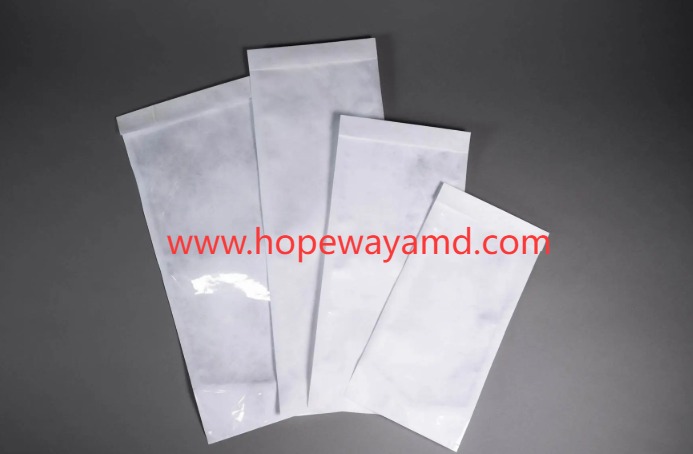 |
Heat Sealing Sterilization Pouch | Продавец: Hopeway AMD | Heat Sealing Sterilization Pouch is designed for secure medical instrument packaging, supporting ... |
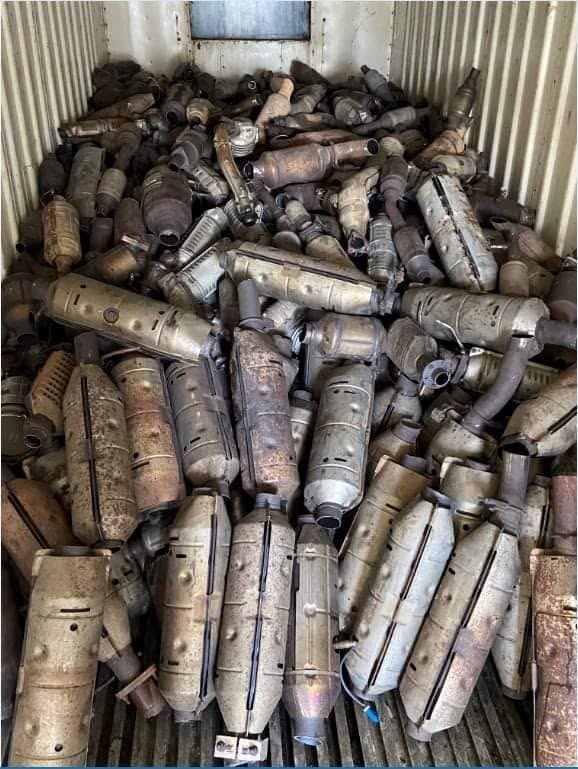 |
Catalytic Converter Scrap Supplier, Catalytic Converter Scrap for Sale, , Catalytic Converter Scrap, Catalytic Scrap for Sale, Catalytic Scrap Supplier, Scrap Catalytic Supplier | Продавец: Trucont LLC | В компании Trucont LLC мы постоянно предлагаем лом каталитических преобразователей для немедленно... |
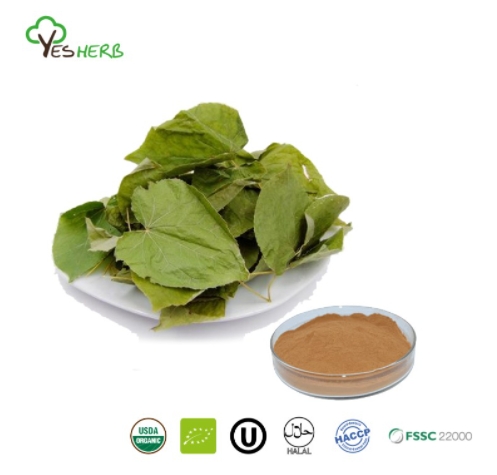 |
Epimedium Extract | Продавец: Fruit Powder,Vegetable Powder | Product Name: Epimedium ExtractLatin Name: Epimedium Sagittatum Maxim.Specification: Icariin 5%, ... |
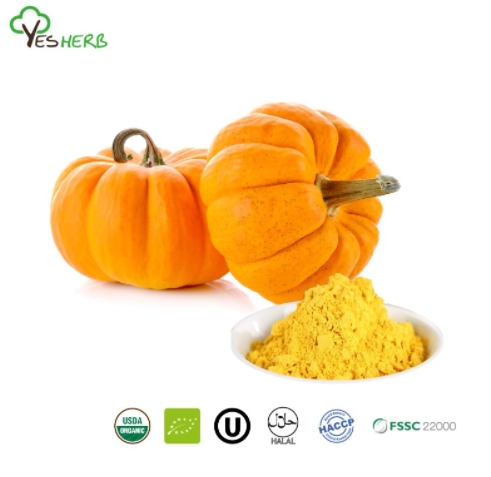 |
Pumpkin Powder | Продавец: Fruit Powder,Vegetable Powder | Product Name: Pumpkin PowderLatin Name: Cucurbita pepo L.Used Part: FruitAppearance: yellow fine ... |
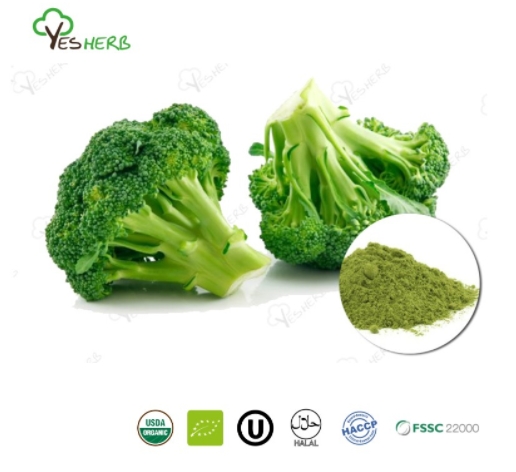 |
Broccoli Powder | Продавец: Fruit Powder,Vegetable Powder | Product Name: Broccoli powder Latin Name: Brassica oleracea L.var.italic Planch. Used Part: Who... |

