α-ketoglutaric acid


α-Ketoglutaric acid (often abbreviated as α-KG or 2-oxoglutarate) is an organic compound with the chemical formula C5H6O5. It is a key intermediate in several metabolic pathways, particularly in the citric acid cycle (Krebs cycle), where it plays a crucial role in cellular energy production.
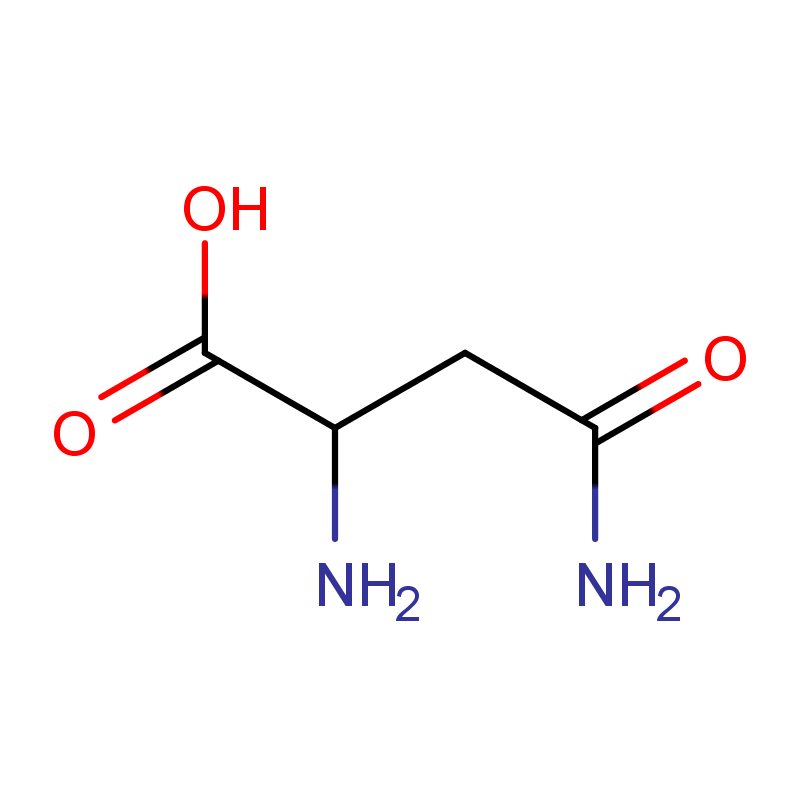
Structure:
·It is a dicarboxylic acid with a ketone group at the α position (second carbon atom).
·The structure includes:
·Two carboxylic acid groups (-COOH).
·A ketone group (C=O).
·A five-carbon backbone.
Uses and Biological Roles
1. Energy Production (Krebs Cycle)
·α-Ketoglutaric acid is a key intermediate in the Krebs cycle, which is central to cellular respiration.
·It is involved in the conversion of carbohydrates, fats, and proteins into usable energy (ATP) in the mitochondria.
2. Amino Acid Metabolism
·α-KG is important in the metabolism of nitrogen.
·It acts as a precursor for the synthesis of glutamate, which is a key amino acid in protein biosynthesis and neurotransmission.
·It also participates in transamination reactions, where it acts as a substrate for the conversion of amino acids.
3. Detoxification
·α-Ketoglutaric acid helps in the removal of excess nitrogen from the body by forming glutamate, which can then be converted into urea for excretion.
4. Antioxidant Properties
·α-KG may help protect cells against oxidative stress by neutralizing reactive oxygen species (ROS).
·This has potential implications in anti-aging and cellular health.
5. Medical and Nutritional Applications
·Dietary Supplement: α-Ketoglutaric acid is sold as a supplement for:
·Boosting energy.
·Supporting athletic performance.
·Promoting recovery.
·Kidney Disease: α-KG is used in certain treatments for chronic kidney disease, particularly in reducing the buildup of nitrogenous waste in the body.
·Anti-Aging: It has been studied for its potential role in slowing the aging process by enhancing mitochondrial function and reducing oxidative damage.
6. Biotechnological and Industrial Uses
·It serves as a precursor for synthesizing certain chemicals, such as amino acids and bioplastics.
7. Research Applications
·α-KG is used in studies related to metabolism, enzymatic reactions, and cellular physiology.
α-Ketoglutaric acid is a versatile compound with vital roles in energy production, nitrogen metabolism, and detoxification. Its applications range from nutritional supplements and medicine to scientific research and industrial processes. If you'd like details on its synthesis, specific uses, or biochemical mechanisms, let me know!
Другие товары поставщика
|
|
Phospho-L-Tyrosine Disodium Salt |
In molecular and cell biology research, Phospho-L-Tyrosine Disodium Salt is used to probe protein-protein interactions, particularly between phosph... |
|
|
Cystine Disodium Salt Powder |
Cystine Disodium Salt acts as an effective metal chelator through its amino, carboxylate, and disulfide groups, which can form stable soluble compl... |
|
|
BOC-L-GLU(ME)-OME 59279-60-6 |
Main use of BOC-L-GLU(ME)-OME (CAS It is a standard intermediate for peptide synthesis & pharmaceutical R&D, used to:Protect the α‑a... |
|
|
L-Aspartic acid monosodium salt monohydrate |
Key Applications of L-Aspartic acid monosodium salt monohydrateL-Aspartic acid monosodium salt monohydrate leverages its solubility, taste, and bio... |
|
|
Glycylglycine |
As a Substrate for Measuring Glycylglycine Dipeptidase Activity: Glycylglycine can be used as a substrate for measuring glycylglycine dipeptidase, ... |
Все товары поставщика
Похожие товары