L-leucine
Basic Information
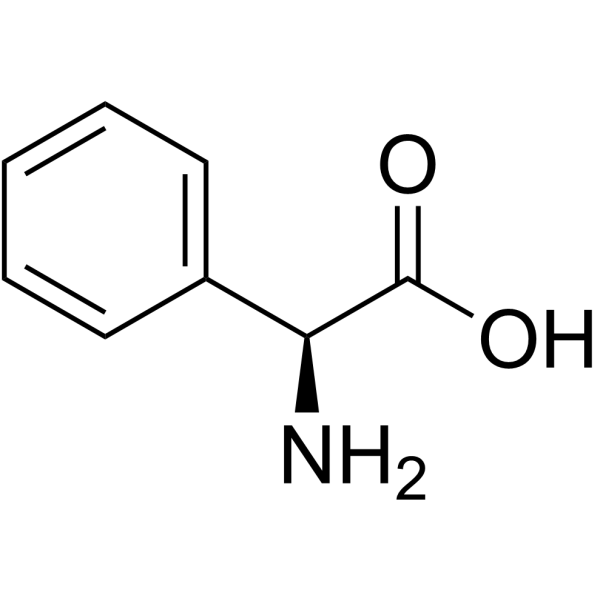
Chemical Formula: C6H13NO2
Molecular Weight: 131.17 g/mol
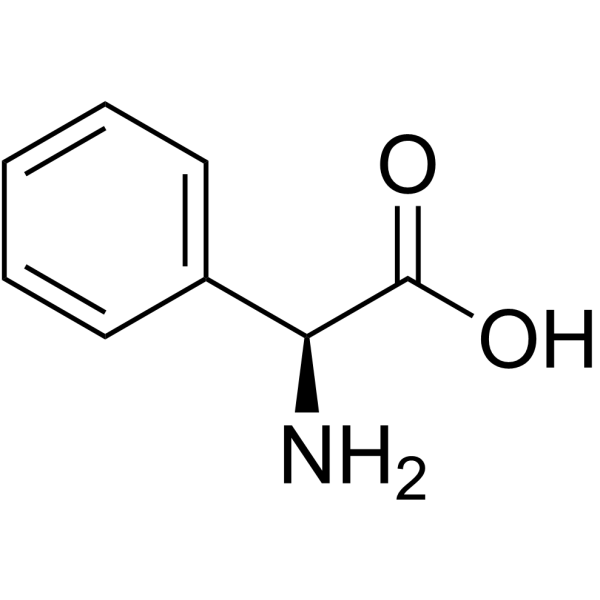
Structure: It has a branched - chain structure with a carboxyl group (-COOH), an amino group (-NH₂), and a side chain of isobutyl group. The specific structure is H₂N - CH(COOH) - CH₂ - CH(CH₃)₂.
Properties
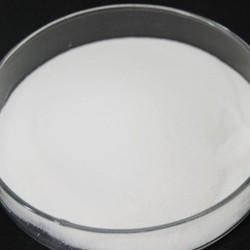
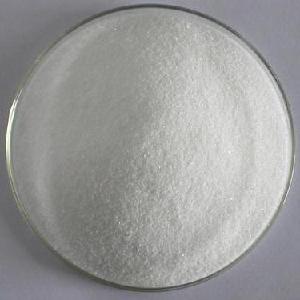
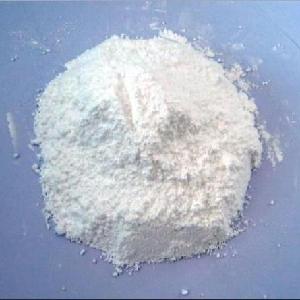
Physical Properties: It is a white crystalline powder, odorless, and has a slightly bitter taste. It is soluble in water to a certain extent and insoluble in most organic solvents.
Chemical Properties: It has the typical chemical properties of amino acids. The amino group can react with acids to form salts, and the carboxyl group can react with bases to form salts. It can also participate in various biochemical reactions such as peptide bond formation.
Другие товары поставщика
|
|
Glycine |
In the fields of daily chemicals and cosmetics, glycine, due to its excellent moisturizing properties, mildness and pH regulation capabilities, has... |
|
|
L-proline |
The uses of L-prolineIn the field of medicine: In the pharmaceutical industry, L-proline can be used as a raw material for amino acid infusions, an... |
|
|
L-Methionine powder |
L-Methionine, as an essential sulfur-containing amino acid with diverse biological functions, has widespread applications across food nutrition, an... |
|
|
L-proline |
The main properties of L-prolineSolubilityIt is readily soluble in water (about 162 g/L, 25°C), slightly soluble in ethanol, and insoluble in e... |
|
|
L-Cysteine hydrochloride monohydrate |
Hygroscopic Properties of L-Cysteine hydrochloride monohydrateL-Cysteine hydrochloride monohydrate readily forms hydrates or dissolves in absorbed ... |
Все товары поставщика
Похожие товары