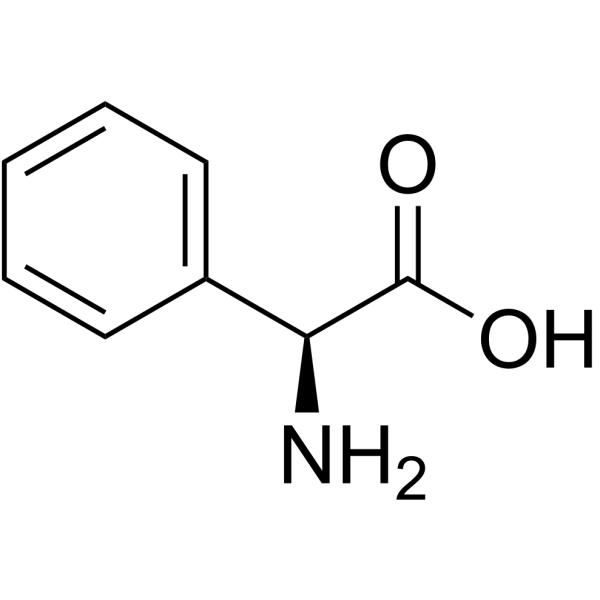
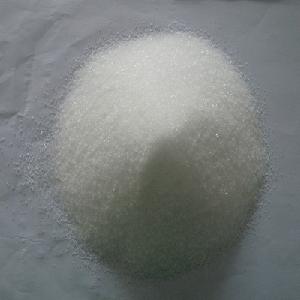
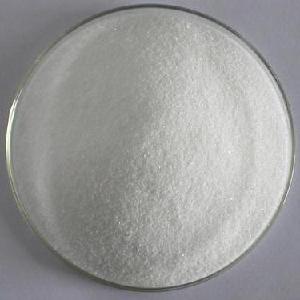
L-proline


During the transportation process of L-proline, its physical and chemical properties need to be comprehensively considered to ensure safe and efficient delivery to the destination. The following are the key points during transportation:
Preparations before transportation
Packaging inspection: Ensure that the packaging is intact and undamaged with good sealing performance. Due to the hygroscopicity of L-proline, packaging materials with good sealing performance, such as aluminum foil bags and plastic buckets, should be used, and it is necessary to ensure that the packaging is clearly marked, including product name, specification, quantity, production date, shelf life, storage conditions and other information.
Temperature and humidity control: According to the characteristics of L-proline, select appropriate transport packaging to provide a suitable temperature and humidity environment. If the transportation time is long or the product is transported in a high-temperature and high-humidity environment, it is advisable to consider using packaging materials with desiccants and temperature regulation functions to prevent the product from getting damp or deteriorating.
Document preparation: Prepare the relevant transportation documents, such as air waybills, invoices, quality inspection reports, dangerous goods declaration forms (if applicable), etc. Make sure the content of the document is accurate and error-free to smoothly pass the inspection of the customs and relevant departments.
2. Requirements during transportation
Selection of transportation mode: Based on factors such as the quantity of goods, transportation distance and time requirements, choose an appropriate transportation mode, such as road transportation, railway transportation, air transportation or sea transportation. For small quantities and urgent goods, air transportation may be more appropriate; For the long-distance transportation of large quantities of goods, sea or railway transportation may be more cost-effective.
Temperature control: L-proline may decompose or deteriorate in high-temperature environments, so the transportation temperature needs to be strictly controlled. If the ambient temperature during transportation may exceed the suitable storage temperature range, corresponding cooling measures should be taken, such as using refrigerated trucks or refrigerated containers.
Moisture-proof measures: As L-proline has a strong hygroscopicity, moisture-proof measures should be taken during transportation. Desiccants, sealed packaging and other methods can be used to prevent the product from getting damp. At the same time, it is necessary to avoid direct contact of the goods with damp ground or walls.
Prevent collision and compression: During transportation, ensure that the goods are securely fastened to prevent collision and compression. Cushioning materials can be used to package the goods to reduce the impact of vibration and shock on them. Extra care should be taken when handling fragile packaging containers.
3. Special circumstances handling
Emergency response for leakage: Once L-proline leakage occurs, measures should be taken immediately for handling. First, evacuate the people around to avoid inhaling dust or coming into contact with leaked substances. Then, use tools such as brooms and shovels to collect the leaked L-proline and put it into a suitable container. The collected L-proline can be recycled or properly disposed of depending on the situation.
Isolation from other goods: If transported together with other goods, attention should be paid to their compatibility. Avoid mixing with substances such as acids, bases, and oxidants that may undergo chemical reactions to prevent danger.
4. Inspection after transportation
Goods inspection: After the goods arrive at the destination, they should be inspected in a timely manner. Check whether the packaging is intact and whether the product has any moisture, lumps, deterioration or other conditions. If any problems are found, contact the transporter and the consignor in a timely manner to negotiate solutions.
Document handover: Verify whether the transportation documents are complete and handle the relevant handover procedures. Keep the transportation documents properly for subsequent inquiries and traceability.
Другие товары поставщика
|
|
DL-Alanine |
DL-Alanine is generally recognized as safe (GRAS) by regulatory bodies like the U.S. Food and Drug Administration (FDA) and the European Food Safet... |
|
|
Glycine |
Glycine is the simplest type of α-amino acid and is the only natural amino acid without a chiral carbon atom. Its molecular formula is C₂H₅NO... |
|
|
Glycine |
In the food and beverage industry, glycine is a legal and safe food additive, mainly used as a flavoring agent, flavor enhancer, buffer, and preser... |
|
|
Glycine |
In the feed industry, glycine is an important feed additive, and it is widely used in aquaculture and livestock breeding. As an amino acid nutrient... |
|
|
L-proline |
Metabolism and Safety of L-prolineMetabolic pathway: Mainly metabolized in the liver and kidneys, it is converted into glutamate hemialdehyde throu... |
Все товары поставщика
Похожие товары