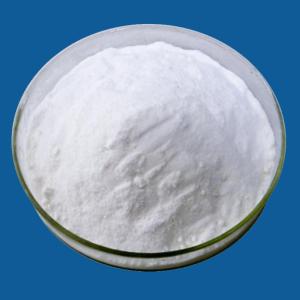
Glycyl-glycyl-glycine


The safety guarantee of Glycyl-glycyl-glycine in food processing
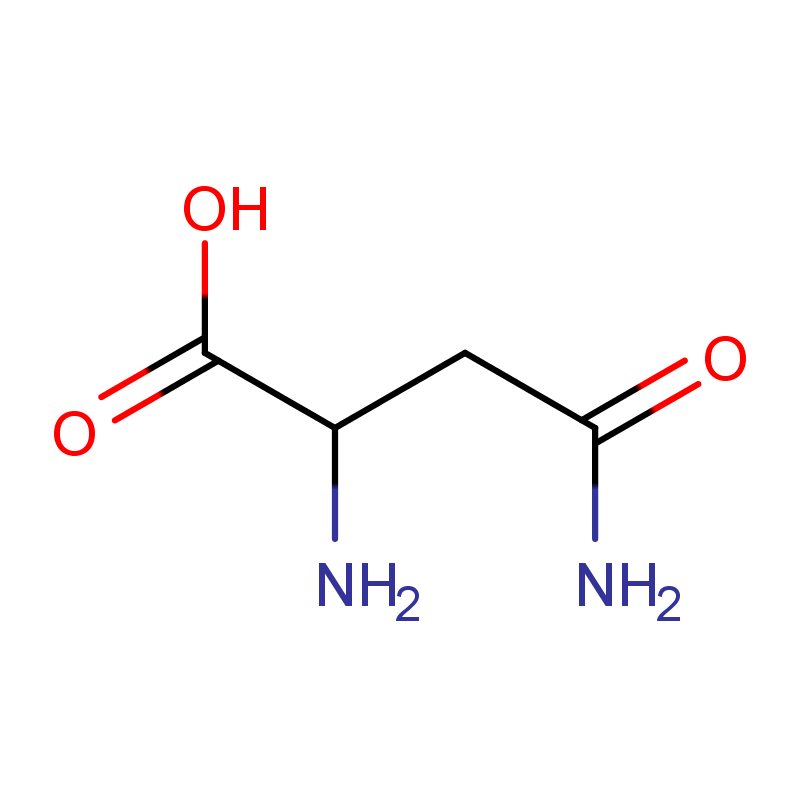
Chemical stability: Triglycine has a stable structure under conventional food processing conditions (such as pH 4.0-8.0 and high-temperature sterilization at a temperature of ≤121℃), and is not prone to decomposition to produce harmful substances. Even during the high-temperature processing of baked goods (180-220℃), the decomposition products are mainly non-toxic substances such as glycine and ammonia, posing no risk of causing cancer or mutagenicity.
Compatibility with other ingredients: Triglycine is neutral (isoelectric point pI≈5.6), and has no adverse reactions with common food ingredients such as proteins, fats, sugars, and minerals. For example, when compounded with salt and phosphate in meat products, it will not affect their flavor or cause sedimentation. Even when added to acidic beverages (such as fruit juice with a pH of 3.5-4.5), it will not cause structural damage due to acid-base reactions.
Metabolic pathway safety: Triglycine can be rapidly hydrolyzed into glycine by peptidase in the human body, and glycine is a non-essential amino acid for the human body. The daily intake from a normal diet (such as meat and beans) is approximately 2-3g. The dosage of triglycine added to food (usually ≤0.5g/kg) is much lower than the daily metabolic capacity of the human body and will not lead to excessive accumulation of glycine. Studies show that even if foods containing triglycine are consumed for a long time, the concentration of glycine in the blood still remains within the normal physiological range (200-400μmol/L).
Другие товары поставщика
|
|
L-Aspartic acid monosodium salt monohydrate |
Key Applications of L-Aspartic acid monosodium salt monohydrateL-Aspartic acid monosodium salt monohydrate leverages its solubility, taste, and bio... |
|
|
L-Cystine dihydrochloride |
L-Cystine dihydrochloride in Cell Culture & Biomanufacturing Industry Essential additive in cell culture media Promotes cell growth, protein fo... |
|
|
BOC-L-GLU(ME)-OME |
During the storage and transportation stages, BOC-L-GLU(ME)-OME is an amino acid derivative that is prone to moisture absorption and hydrolysis. It... |
|
|
Phospho-L-Tyrosine Disodium Salt |
In pharmaceutical and biotechnology development, Phospho-L-Tyrosine Disodium Salt functions as a structural template for designing tyrosine kinase ... |
|
|
Boc-L-Pyroglutamic Acid Ethyl Ester |
1. Basic Information Product Name: Boc-L-Pyroglutamic Acid Ethyl Ester / Boc-Pyr-Oet Chemical Formula: C7H11NO3 Molecular Weight: 157.17 CAS Regist... |
Все товары поставщика
Похожие товары