L-Threonine
Physical Properties in Biological Systems of L-Threonine
Hydrophilicity: The hydroxyl group and ionizable groups make L-threonine hydrophilic, so it tends to be located on the surface of proteins, interacting with water.
Role in Protein Structure: The β-hydroxyl group can form hydrogen bonds, contributing to protein secondary and tertiary structures (e.g., β-turns). Its chiral centers also influence protein folding.
Другие товары поставщика
|
|
L-proline |
Storage and transportation of L-prolineStorage conditions: Store in a sealed container in a cool and dry place, away from moisture, high temperatur... |
|
|
DL-Methionine |
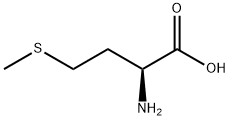
Melting Point and Thermal Stability of DL-MethionineMelting characteristics: DL-methionine has aclear and fixed melting pointof281–283 °C... |
|
|
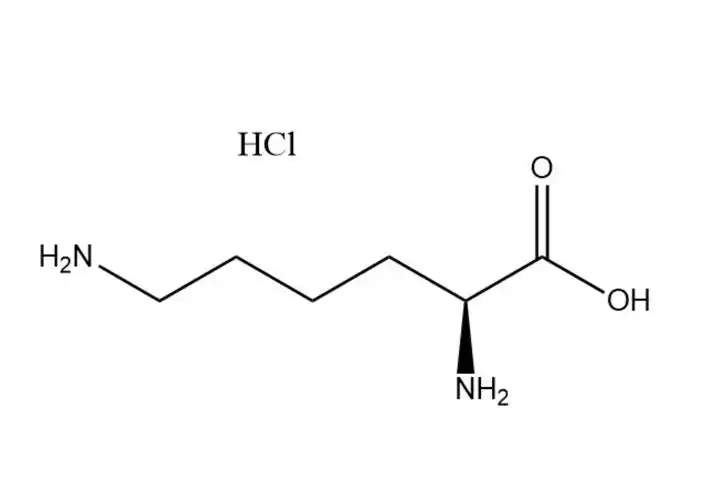
L-Lysine monohydrochloride as nutrient additives |
Free L-lysine is highly hygroscopic—it absorbs atmospheric moisture rapidly at relative humidity (RH) >60%, leading to caking, agglomerati... |
|
|
L-Lysine monohydrochloride |
Basic Molecular and Structural Characteristics
Molecular weight: 182.65 g/mol (free L-lysine: 146.19 g/mol; the hydrochloride moiety increas... |
|
|
DL-Alanine |
DL-Alanine can interact with proteins and starches in food, modifying their structure to improve texture and stability—especially in processe... |
Все товары поставщика
Похожие товары