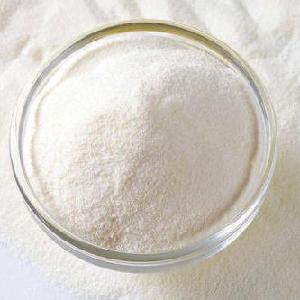
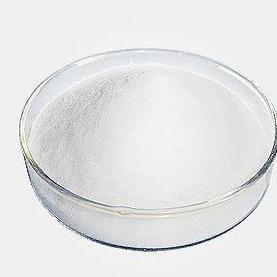
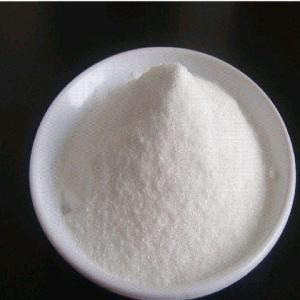
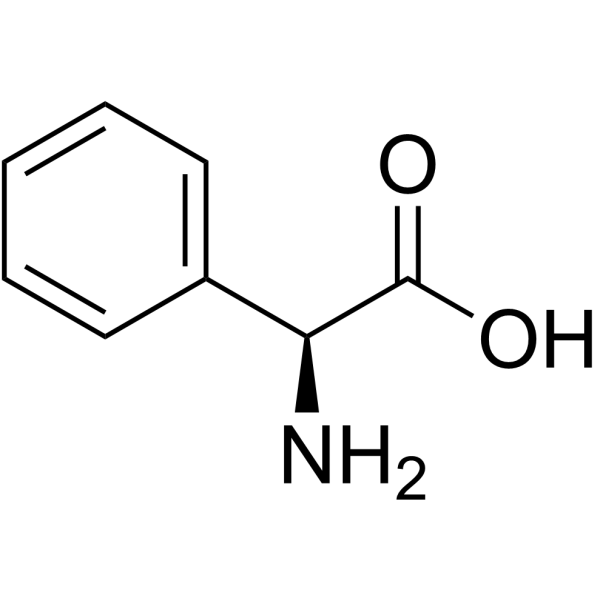
L-Threonine
Industrial and Practical Implications
Food and Feed Additives: L-Threonine’s solubility and stability make it suitable for fortifying foods and animal feed (e.g., in poultry and swine diets to improve growth).
Pharmaceutical Applications: Its physical properties (e.g., water solubility, stability) support use in intravenous solutions or as a component in amino acid formulations.
Chemical Synthesis: L-Threonine serves as a chiral building block in organic synthesis, leveraging its stereochemistry and functional groups (amino, carboxyl, hydroxyl).
Другие товары поставщика
|
|
The Quality Grade of Inositol |
Inositol is classified into four mainstream quality grades according to purity, impurity control, production specifications and applicable fields, ... |
|
|
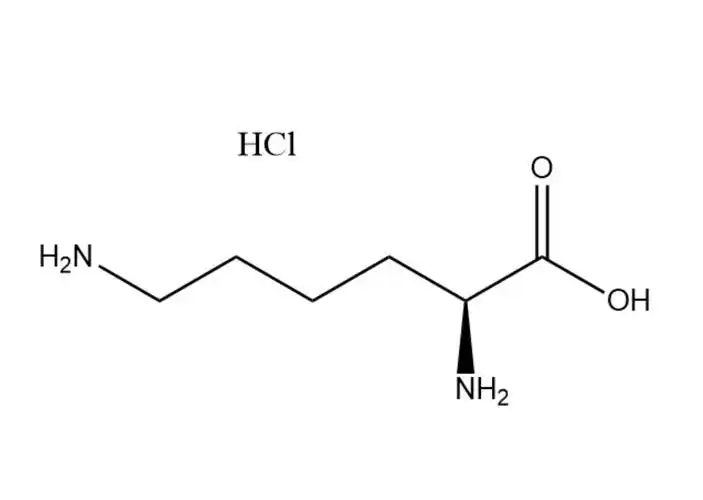
L-Lysine monohydrochloride |
L-Lysine monohydrochloride (L-Lys·HCl) is the dominant commercial form of L-lysine—an essential amino acid for humans and animals&mdas... |
|
|
DL-Alanine |
DL-Alanine is not a direct, primary food preservative like traditional preservatives (e.g., Nisin, sodium benzoate, potassium sorbate) whose core f... |
|
|
Sucralose |
Sucralose is widely used in processed foods such as beverages, chewing gum, dairy products, dried fruits, jelly puddings, bread, pastries, cookies,... |
|
|
L-proline |
The basic information of L-proline1. Chemical structureMolecular formula: C₅H₉NO₂Molecular weight: 115.13 g/molStructural features: The α -am... |
Все товары поставщика
Похожие товары