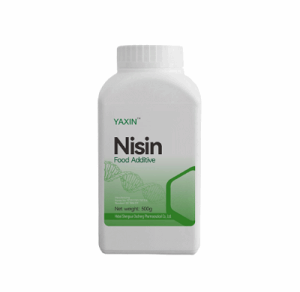
Metabolic Characteristics of Nisin
Nisin is classified as a GRAS (Generally Recognized as Safe) substance by the FDA and FAO/WHO, with a long history of safe application in food production. Its safety is supported by toxicological data, metabolic characteristics, and regulatory standards.
Metabolic Characteristics of Nisin
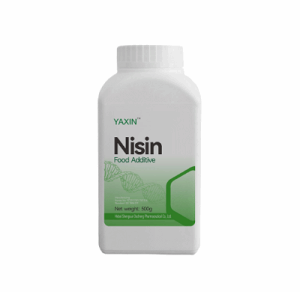
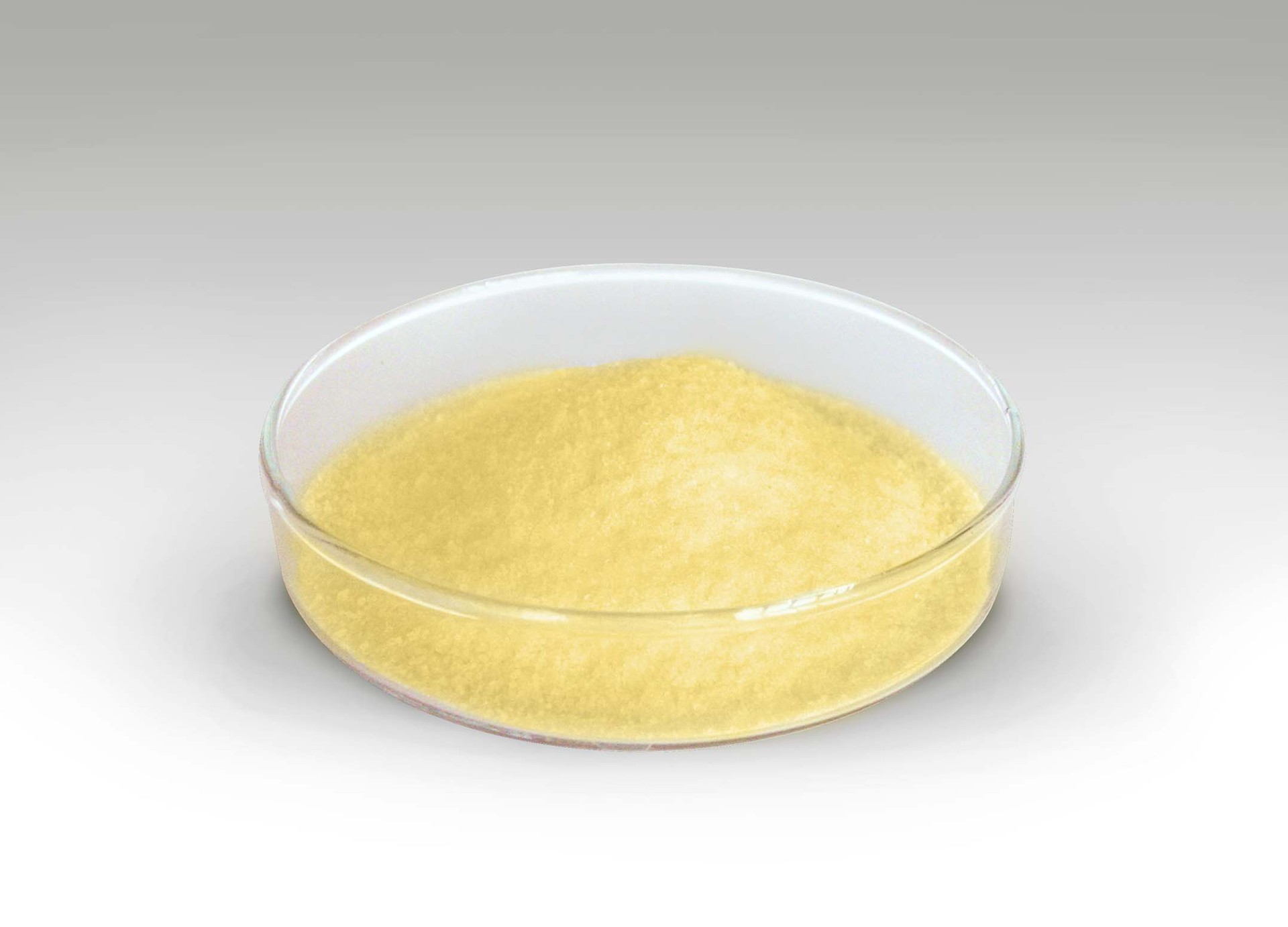
Nisin is not accumulated in the human body. After oral ingestion, it is completely degraded into amino acids (alanine, serine, etc.) in the stomach and intestines within 2–4 hours, which are then absorbed and utilized for protein synthesis or energy metabolism. Unlike chemical preservatives (e.g., sodium benzoate), it does not undergo liver metabolism or produce toxic metabolites, making it safe for special populations such as infants, pregnant women, and individuals with liver/kidney disorders (within recommended doses).
Другие товары поставщика
|
|
Nisin as a GRAS substance |
As a GRAS (Generally Recognized as Safe) substance, Nisin is non-toxic, non-residue, and metabolized into amino acids in the human body. Its use a... |
|
|
Natamycin 7681-93-8 |
Precautions for use of natamycinScope and limit of use: The scope and limit of use of natamycin are strictly regulated. For example, in China, when... |
|
|
Nisin |
Core Antibacterial Mechanism Nisin acts by disrupting the cell membrane of gram-positive bacteria, a process that occurs in two main steps (as intr... |
|
|
Nisin |
Seafood products (e.g., fresh fish, shrimp, crab, surimi products, and canned seafood) are highly perishable due to their high moisture, protein co... |
|
|
Nisin 500g |
Key Factors Influencing the Antibacterial MechanismpH value: An acidic environment (pH 3-5) can enhance the antibacterial activity of Nisin because... |
Все товары поставщика
Похожие товары