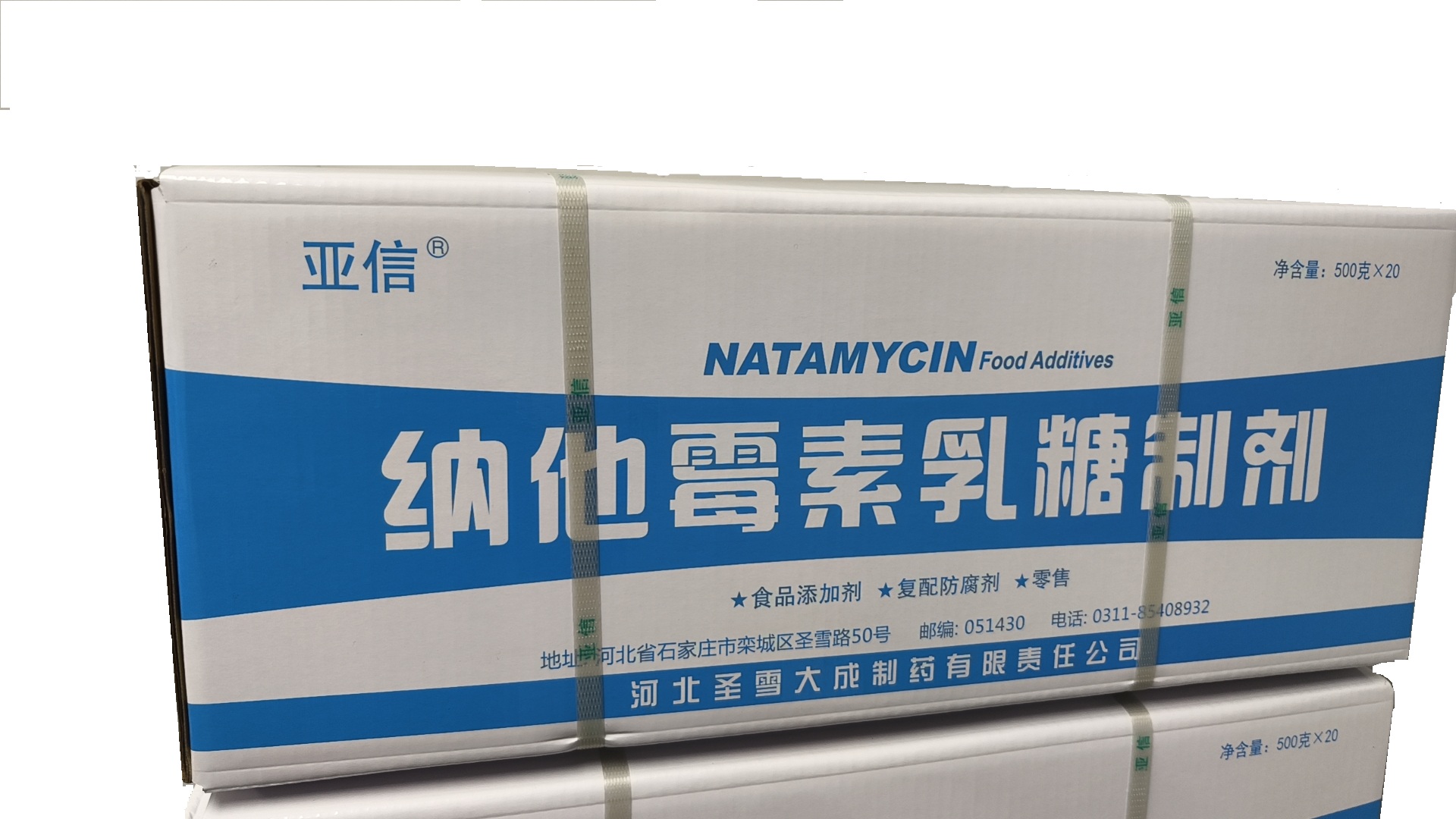
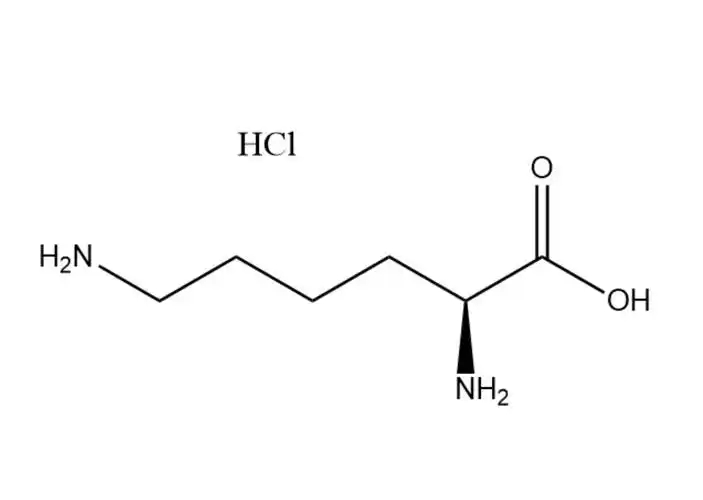
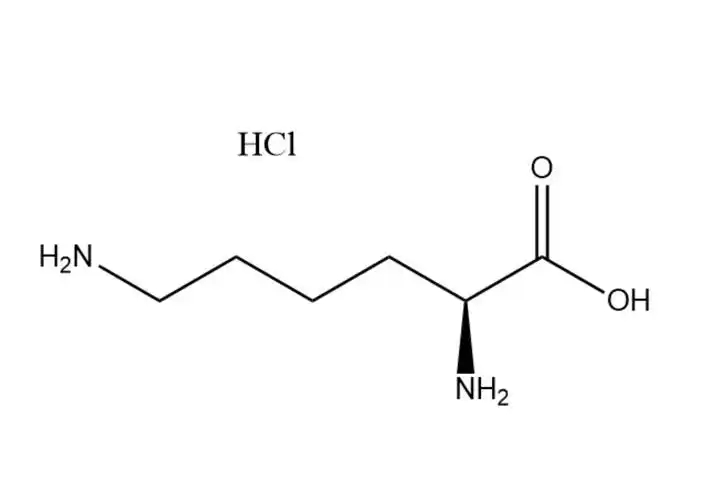
Natamycin 7681-93-8

New products coming soon!Welcome to inquire and book!
1. Usage Scope and Limits
Regulatory Compliance: Follow national laws and food safety standards regarding the approved usage scope and limits of natamycin-lactose preparations. Different food categories have specific maximum allowable limits; for example, the permitted amount in cheese and pastries is usually 0.05 - 0.3 g/kg. Do not exceed the permitted range or dosage to prevent potential health risks.
Product Characteristics: Determine the appropriate dosage based on the nature of the food and its processing methods. For foods prone to microbial contamination, with high moisture content and rich nutrients, a slightly higher dosage may be necessary—but must not exceed the regulatory limit. Conversely, foods with inherent antimicrobial properties or stable storage conditions may require a reduced dosage.
2. Storage Conditions
Temperature and Humidity: Natamycin-lactose preparations should be stored in a cool, dry, and well-ventilated environment, away from direct sunlight. The recommended storage temperature is below 25°C, with relative humidity below 60%. High temperature and humidity may cause the product to absorb moisture and clump, affecting its stability and effectiveness.
Packaging Integrity: Ensure that product packaging remains intact during storage. Any unused portion should be promptly sealed to prevent exposure to air and moisture, which could lead to degradation. If packaging is damaged, use the product as soon as possible or transfer it to a sealed container for preservation.
3. Compatibility with Other Substances
Avoid Incompatible Combinations: When using natamycin-lactose preparations, consider their compatibility with other food additives and ingredients. Some substances, such as strong oxidants or reductants, may react with natamycin and reduce its antimicrobial activity. When using multiple additives together, consult relevant references or conduct compatibility tests to ensure no adverse interactions occur.
pH Sensitivity: Natamycin’s antimicrobial effect is strongly influenced by pH levels. It exhibits the highest activity within a pH range of 4 - 6. Therefore, the pH of the food should be considered when using natamycin. If the food has a higher or lower pH, adjusting the dosage or implementing additional measures may be necessary to ensure optimal antimicrobial effects.
4. Hygiene and Safety
Personnel Protection: During the use of natamycin, operators should wear appropriate protective gear such as gloves and masks to avoid direct skin contact and inhalation of dust, which may cause irritation. If accidental contact with skin or eyes occurs, rinse immediately with plenty of water and seek medical attention if necessary.
Cleaning and Disinfection: Equipment and containers used for natamycin should be kept clean and regularly disinfected to prevent microbial contamination and residual natamycin from affecting subsequent production. Additionally, natamycin should be stored separately from toxic or hazardous substances to prevent cross-contamination.
Другие товары поставщика
|
|
Nisin Raw Material |
Oral health is closely linked to systemic health, and oral infections (e.g., dental caries, periodontitis) are often caused by Gram-positive pathog... |
|
|
Nisin Powder 25kg |
Nisin in Dairy Products Cheeses: Nisin is commonly added to processed cheeses, cheese spreads, and soft cheeses to prevent the growth of spoilage b... |
|
|
Nisin |
Seafood products (e.g., fresh fish, shrimp, crab, surimi products, and canned seafood) are highly perishable due to their high moisture, protein co... |
|
|
Chlortetracycline Premix Price |
Characteristics and uses of Chlortetracycline Premix 1. features: Natural fermentation products: Chlortetracycline Premix is a non-chemical synthes... |
|
|
Nisin |
Nisin is commonly added to dairy products for its antimicrobial properties, which help control the growth of spoilage and pathogenic bacteria.The a... |
Все товары поставщика
Похожие товары