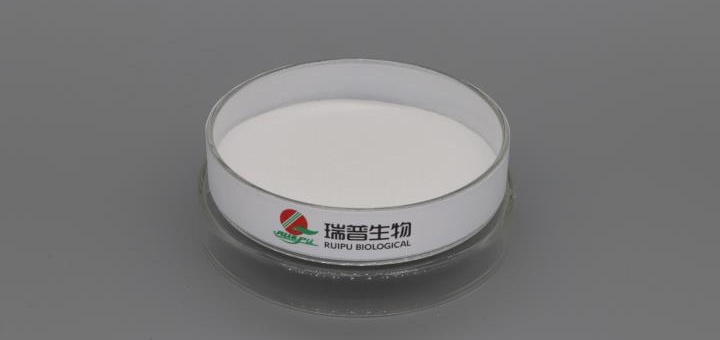
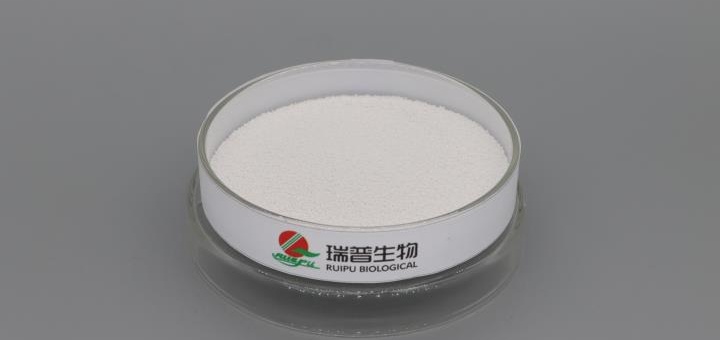
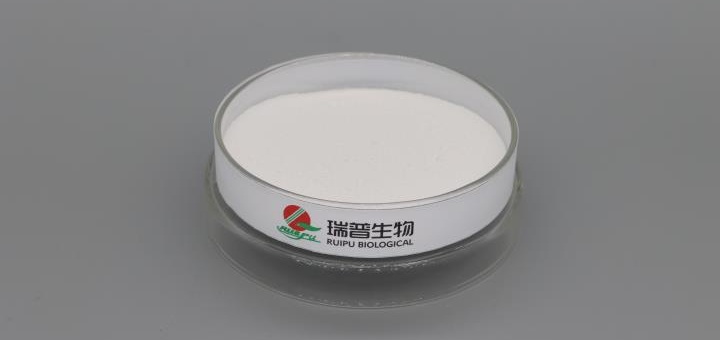
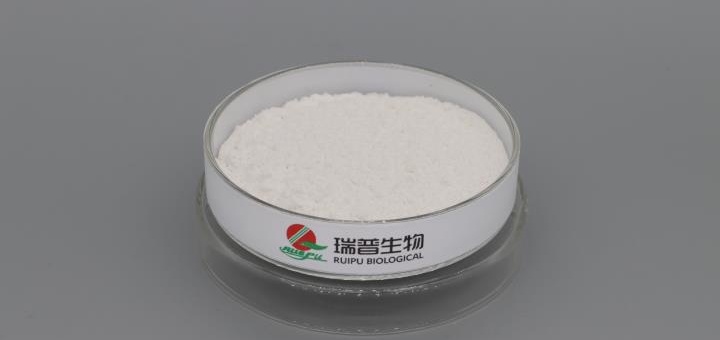
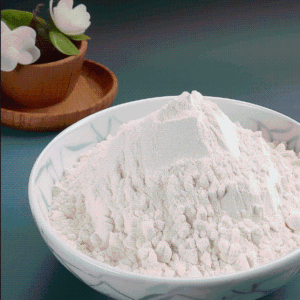
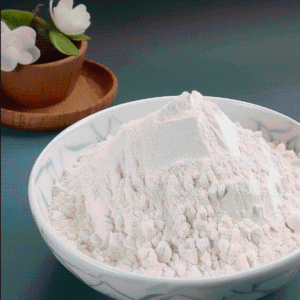
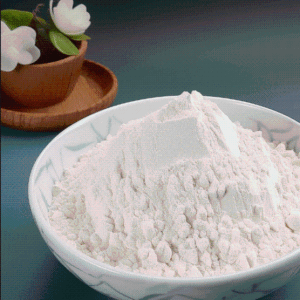
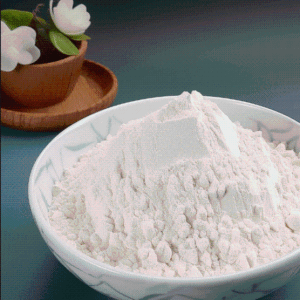
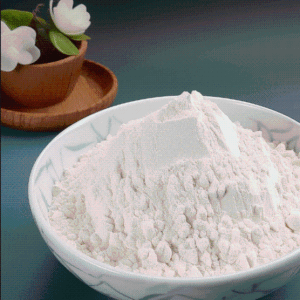
Calcium Carbonate
The molecular structure of Calcium Carbonate
It is formed by the combination of calcium ions (Ca²⁺) and carbonate ions (CO₃²⁻) through ionic bonds and belongs to ionic crystals.
It exists in nature in various crystal forms. Common ones include:
Calcite: Trigonal crystal system, with a compact crystal structure and a relatively high density (2.71g /cm³), is the most stable crystal form of calcium carbonate.
Aragonite: Orhombic crystal system, with a slightly higher density (2.93 g/cm³). Thermodynamically, it is less stable than calcite and can transform into calcite over a long period of time.
Vaterite: Hexagonal crystal system, rare, metastable crystal form, easily transforms into calcite or aragonite.
Другие товары поставщика
|
|
Magnesium Lactate Powder |
Magnesium lactate in Industrial and Technical Applications Chemical Synthesis: Used as a magnesium source in laboratories for synthesizing other ma... |
|
|
Calcium Carbonate |
The uses of Calcium CarbonateIndustry: It is an important industrial raw material, used in the manufacture of cement, glass, ceramics, refractory m... |
|
|
Magnesium Citrate |
Magnesium is critical for bone formation and muscle function, making magnesium citrate a key component in supplements targeting:Bone health: Magnes... |
|
|
Calcium carbonate |
Calcium carbonate can be classified into light calcium carbonate, heavy calcium carbonate and active calcium carbonate based on different productio... |
|
|
Potassium Malate |
Product Name:Potassium Malate Description Molecular formula:C4H5KO5 Molecular weight:172.18 Potassium Malate assay:98% Shelf life:24 month CAS NO.:... |
Все товары поставщика
Похожие товары