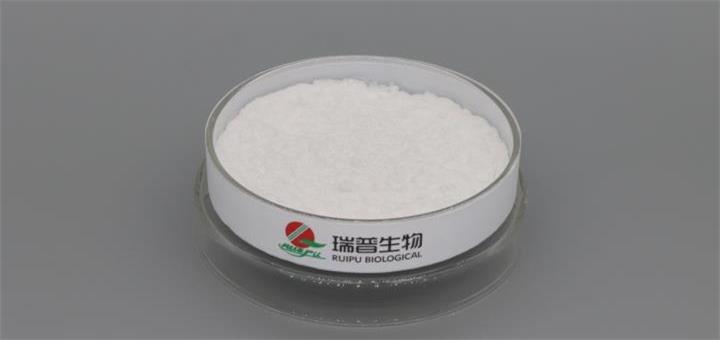
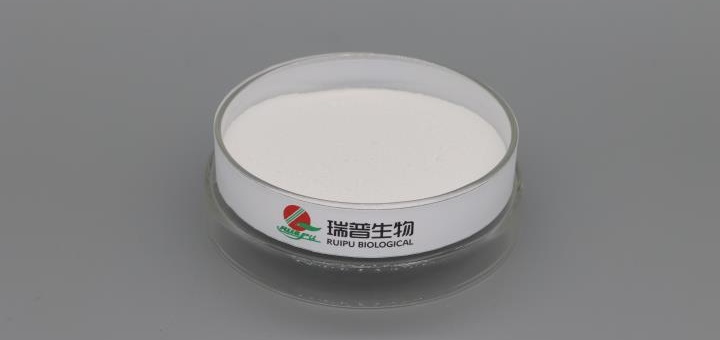
Calcium carbonate

Calcium carbonate is relatively stable in nature, but some key points should also be noted during storage to ensure that its quality and performance are not affected. The following is a detailed introduction:
Storage environment
Drying: Calcium carbonate should be stored in a dry warehouse because it has a strong hygroscopicity. If the environmental humidity is high, it is easy to absorb moisture from the air, causing it to form lumps and thus affecting its performance in use. For instance, during the humid plum rain season in the south, it is even more important to pay attention to the moisture-proof treatment of warehouses.
Cool: It should be kept away from direct sunlight and high-temperature environments. The suitable storage temperature is generally around room temperature (20℃ - 30℃). High temperatures may cause certain changes in the physical properties of calcium carbonate, such as affecting its crystal structure, and thereby influence its performance in subsequent applications.
Packaging requirements
Calcium carbonate is usually packaged in sealed bags, such as plastic bags, woven bags and other packaging materials, and it is necessary to ensure that the packaging is well sealed. This can effectively prevent moisture and impurities in the air from entering the packaging interior, maintaining the dryness and purity of calcium carbonate. For instance, in industrial production, for some calcium carbonate products with high purity requirements, the packaging sealing performance requirements are even more stringent.
Store by classification
If multiple calcium carbonate products of different specifications, models or uses are stored simultaneously, they should be classified and stored, and clearly marked. This can avoid confusion and enable one to quickly and accurately find the required product when in use. For instance, food-grade calcium carbonate and industrial-grade calcium carbonate should be stored separately because their quality standards and application scenarios are quite different.
Safety precautions
Although calcium carbonate itself has relatively stable chemical properties, safety issues such as fire prevention and explosion prevention still need to be noted during storage. The warehouse should be equipped with corresponding fire-fighting facilities, such as fire extinguishers and fire hydrants, and ensure that they are in effective condition. At the same time, keep away from fire sources, heat sources and flammable and explosive items to prevent accidents.
Regular inspection
Regularly inspect the stored calcium carbonate to see if there are any lumps, moisture, deterioration or other conditions. If any problems are found, corresponding measures should be taken in a timely manner for handling, such as sieving slightly caked calcium carbonate, etc., to ensure product quality.
Другие товары поставщика
|
|
Potassium Citrate |
Product Name:Potassium Citrate Description Molecular formula:C6H7K3O8 Molecular weight:324.41 Potassium Citrate assay:99.0-100% Shelf life:24 month... |
|
|
Monosodium fumarate |
Monosodium fumarate, a sodium salt of fumaric acid, is primarily valued for its functional properties in various industries, with its most prominen... |
|
|
Compound nutritional fortifier (VB12 dilution) |
Product Name:Compound nutritional fortifier (VB12 dilution) Description Raw material :VB12, citric acid, sodium citrate, maltodextrin Assay:0.1%, 0... |
|
|
Magnesium Citrate Powder |
Magnesium is essential for numerous bodily functions, including muscle and nerve function, energy production, bone health, and blood pressure regul... |
|
|
Monosodium Fumarate |
Monosodium Fumarate is a sodium salt of fumaric acid, a naturally occurring organic compound (a dicarboxylic acid) found in various plants and fung... |
Все товары поставщика
Похожие товары