Magnesium Lactate Powder
1. Chemical and Molecular Properties
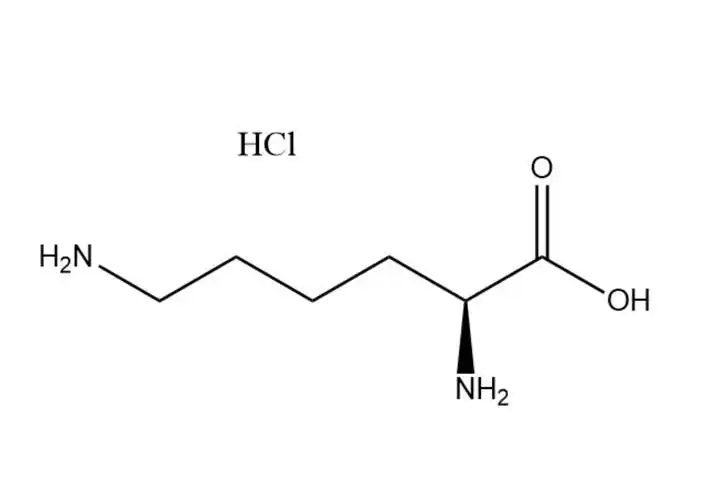
Chemical Formula: Mg(C3H5O3) 2⋅nH2O(common forms include dihydrate, Mg(C3H5O3) 2⋅2H2O.
Structure: It consists of magnesium cations (Mg2+) and lactate anions (C3H5O3^- )), with a crystalline structure that may contain water of hydration.
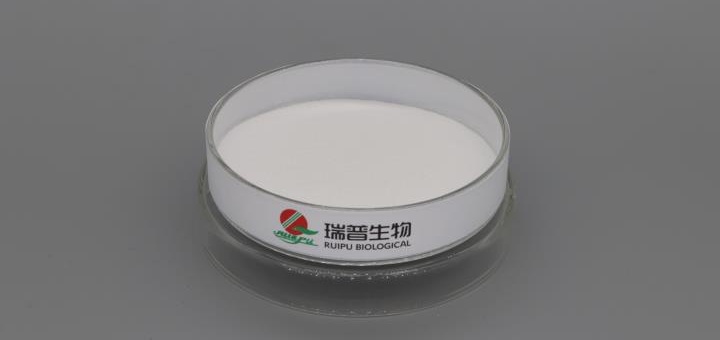
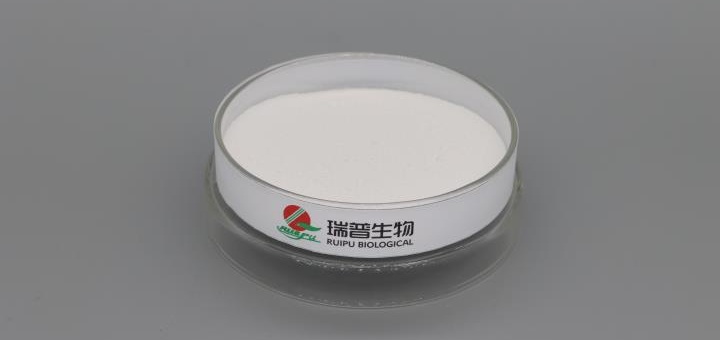
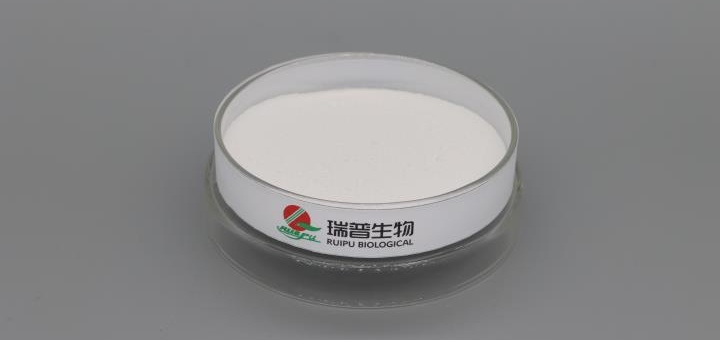
Physical Properties: Usually appears as a white crystalline powder, odorless, with a slightly sweet and sour taste, and is soluble in water.
2. Main Sources and Production Methods
Natural Occurrence: Found in small amounts in some fermented foods (e.g., yogurt, pickles) and grains, but it is more commonly produced synthetically.
Industrial Production: Typically prepared by reacting magnesium carbonate or magnesium hydroxide with lactic acid. The reaction is as follows: MgCO3+2C3H6O3→Mg(C3H5O3 ) 2+CO2↑+H2O.
Другие товары поставщика
|
|
calcium carbonate |
During the transportation of calcium carbonate, its physical and chemical properties should be comprehensively considered to ensure its safe and ef... |
|
|
Magnesium Lactate Powder |
Applications of Magnesium lactate 1. Nutritional Supplements and Food Additives Magnesium Supplementation: As an easily absorbed form of magnesium,... |
|
|
Magnesium Citrate |
Magnesium is critical for bone formation and muscle function, making magnesium citrate a key component in supplements targeting:Bone health: Magnes... |
|
|
Magnesium Citrate Raw Material |
Monosodium Fumarateis a sodium salt derived from fumaric acid, with distinct chemical and physical properties that underpin its practical applicati... |
|
|
Magnesium Citrate |
As a highly absorbable form of magnesium, magnesium citrate is primarily used to enrich foods with this essential mineral, addressing dietary magne... |
Все товары поставщика
Похожие товары