

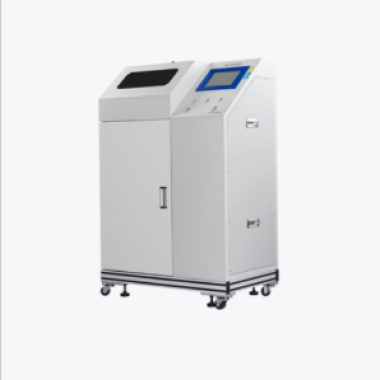
Solids Spontaneously Igniting Tester

Whats/App: +86 156 1874 6768
Web: standard-groups.com
Conforms to the UN Recommendations on the Transport of Dangerous Goods - Manual of Tests and Criteria 33.3.1.4 Test N.2: Test Methods for Pyrophoric Solids and GB/T 21611-2008 Test Methods for Spontaneous Combustion of Flammable Solids for Dangerous Goods.
Applications
This testing instrument is a professional instrument used to test whether solid substances can burn when in contact with air, which greatly facilitates the supervision of the production and transportation of shipped solid substances.
Standards
GB/T 21756-2008:Chemical products for industrial use - Determination of the relative autoignition temperature of solid substances
NF T:Determination of the autoignition temperature of solid substances
NY/T 1860:Guidelines on the determination of physico-chemical properties of pesticides
Features
1. It adopts an embedded processor and the Windows CE operating system.
2. With an 8 - inch liquid - crystal touch screen, it can display the test status in real - time.
3. It is equipped with a nanosecond - level photosensitive sensor detection module to detect light intensity changes.
4. The instrument is mainly composed of a test stand and a control part, which can automatically determine whether the test substance is burning.
5. During the test, if the substance burns, or when the test time is up and the substance has not burned, the device will automatically alarm to remind the operator that the test is over.
6. It is equipped with an automatic shaking and dropping device for quick and thorough sample loading.
7. It is equipped with a low - thermal - conductivity marble experimental base, which has a long service life and is easy to clean.
8. The test process is fully automated, requiring no manual intervention. It supports functions such as parameter setting, data storage, and report viewing.
Technical Parameters
|
Operating environment |
(5~40)℃,<85%RH |
|
Timing range |
(0~999)s |
|
Timing display resolution |
1s |
|
Drop height |
1m |
|
Flame detection response time |
≤6ms |
Accessoriess
1. Core Operating Components
Test Environment Components: Sealed test chamber (provides a spontaneous combustion test environment for solid samples in contact with air, conforming to UN Test N.2/GB/T 21611-2008 requirements);
Sample Carrier: Standard sample placement device (suitable for loading samples for spontaneous combustion tests, ensuring full contact between the sample and air);
Detection Module: Nanosecond-level photosensitive sensor detection module (accurately captures changes in light intensity and identifies spontaneous combustion phenomena in samples);
Control and Display Components: Embedded processor (equipped with Windows CE system), 8-inch LCD touchscreen (real-time display of test status);
System Unit: Automatic control module (supports fully automated operation of the test process).
2. Auxiliary Components
Sample Processing Components: Analytical balance (quantitatively weighs the solid sample to be tested), grinder + standard sieve (processes sample particle size to match test standard requirements);
Calibration and Maintenance Components: Standard spontaneously combustible solid sample (calibrates instrument detection accuracy), cleaning brush/cotton swab (cleans residue from the test chamber);
Data Management Components: USB flash drive (exports test data, status records, and reports).
Test Procedures
1. Sample Preparation
Grind the solid sample to be tested and pass it through a standard sieve to ensure uniform particle size (meeting the sample pretreatment requirements of GB/T ; Weigh the specified amount of sample using an analytical balance for later use.
2. Instrument Preparation
Connect the power supply and start the instrument. The embedded processor will automatically complete a self-check; Select the test standard (e.g., “UN Test N.2” or “GB/T 21611-2008”) via the 8-inch touchscreen to confirm that the nanosecond-level photosensitive sensor and test chamber are functioning correctly.
3. Sample Loading and Chamber Setup
Place the weighed sample into the standard sample carrier and place the carrier into the sealed test chamber; Close and lock the test chamber (ensuring normal contact between the chamber and outside air, meeting the air environment requirements for spontaneous combustion testing).
4. Starting the Automatic Test
Click “Start” on the touchscreen. The instrument will begin the test process, and the nanosecond-level photosensitive sensor will monitor changes in light intensity in real time; The touchscreen will simultaneously display the test status (e.g., test duration, light intensity data).
5. Spontaneous Combustion Detection and Data Recording
If the photosensor detects a sudden increase in light intensity (corresponding to spontaneous combustion of the sample), the instrument automatically records the time of spontaneous combustion and related parameters.
If no abnormal light intensity is detected within the test duration, record "Sample did not spontaneously combust."
6. Test Completion
After the test, allow the test chamber to cool down, open the chamber and remove the sample carrier.
Clean any residue from the test chamber using cleaning tools, and export the test data to a USB flash drive via the touchscreen.
Turn off the instrument power to complete the operation.
Отправить запрос, связаться с поставщиком
Другие товары поставщика
 |
Safety Footwear Compression Puncture Tester | Whats/App: +86 156 1874 6768 Web: standard-groups.com Test purpose Measure the compression resistance of the shoe head cover and the puncture re... |
 |
Blood Bag Emptying under Pressure Tester | Whats/App: +86 156 1874 6768 Web: standard-groups.com The Blood Bag Pressurization and Emptying Tester plays a crucial role in the medical field.... |
 |
ASTM & ISO Paint Surface Scratch Resistance Tester Manufacturer & Supplier | Get a quote: Whats/App: +86 156 1874 6768 Web: standard-groups.com The Paint Surface Scratch Resistance Tester is a precision instrument designe... |
 |
Bottle Wall and Bottom Thickness Tester | Whats/App: +86 156 1874 6768 Web: standard-groups.com The wall and bottom thickness tester for bottles is a measuring instrument widely used in t... |
 |
Multiphase High - temperature and High - pressure Explosion Limit Tester | Whats/App: +86 156 1874 6768 Web: standard-groups.com The Multiphase High-Temperature and High-Pressure Explosion Limit Tester is an instrument d... |
Похожие товары
 |
KL‑016A Benchtop High‑precision pH Meter | Продавец: Келийлонг Электронные Акционерные Компании | Product Description: Large‑screen display with high resolution and precision for con... |
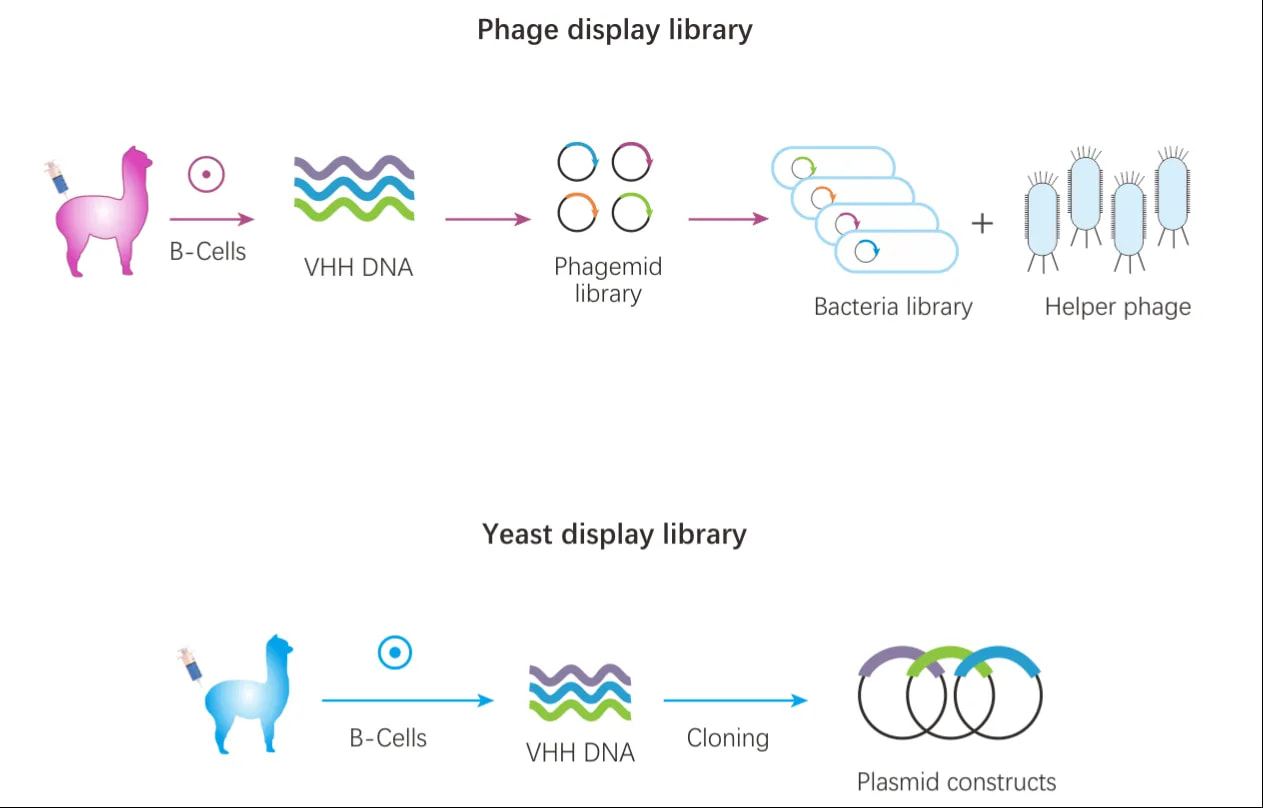 |
Large Naïve VHH Library | Продавец: AlpVHHs | Large Naïve VHH Library VHHare single-domain antibodies derived from the variable regions o... |
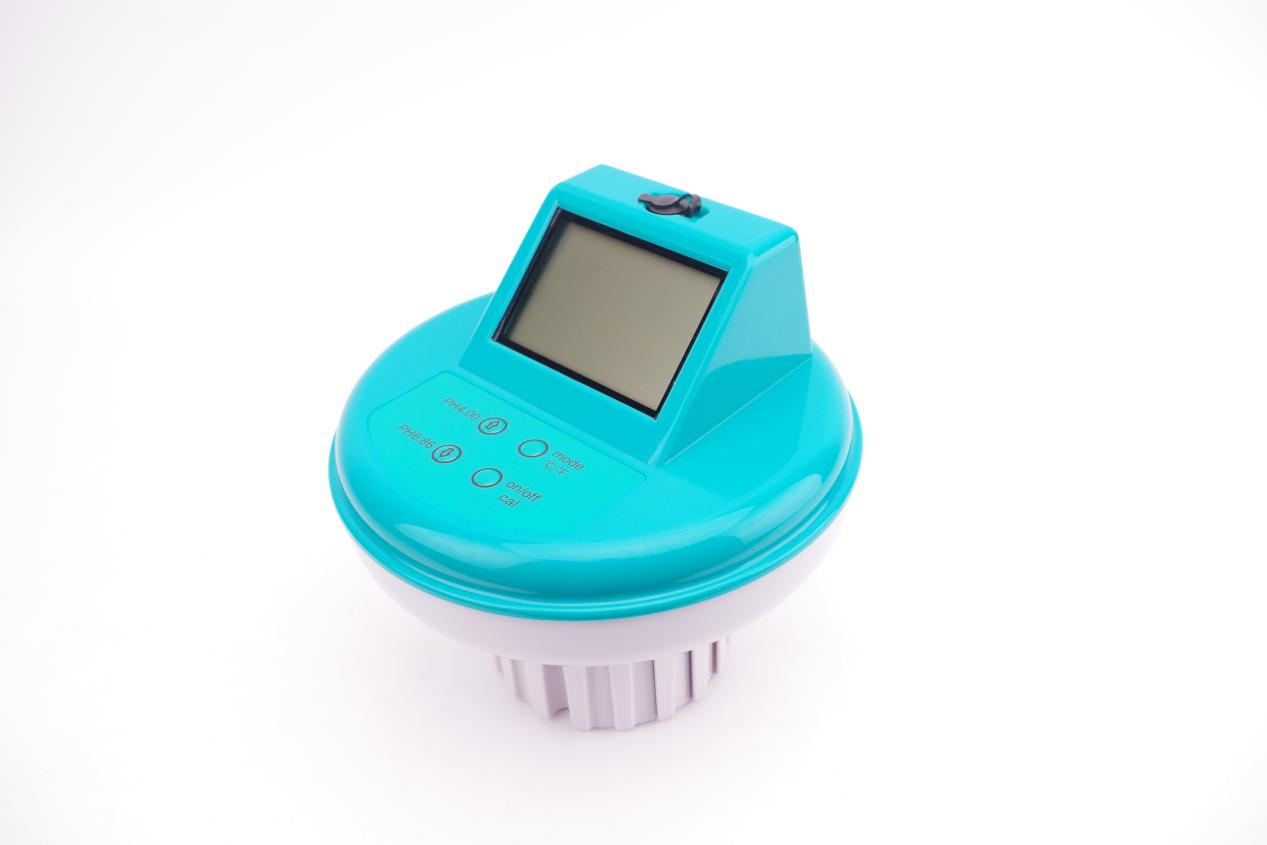 |
pH-2398 pH/EC/ORP/Temperature multi-parameter Water Quality Tester | Продавец: Коллирон электроникс лимитед | Feature Large display screen, capable of simultaneously measuring water quality pH, redox potent... |
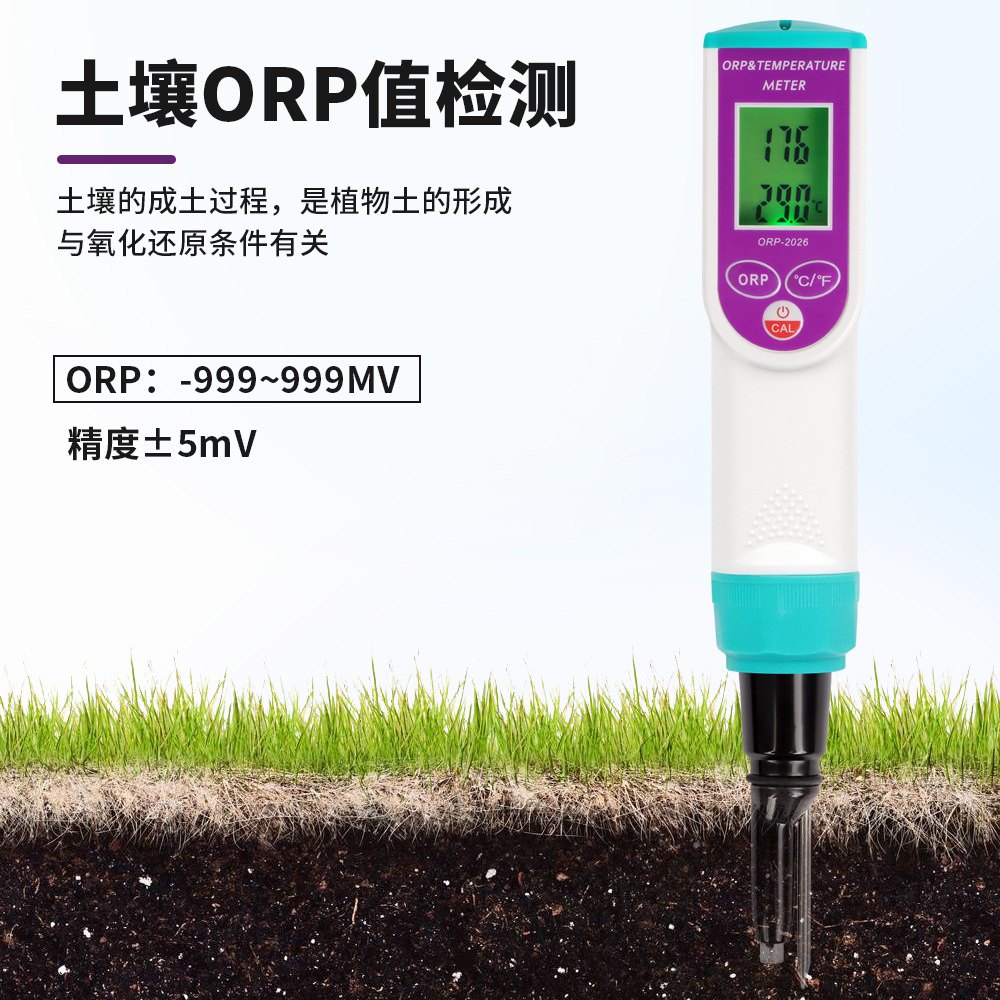 |
ORP-2026S Waterproof Soil ORP and Temperature Meter | Продавец: Коллирон электроникс лимитед | 范围 ORP -999~999mV Temp 0~50℃ 分辨率 ORP 1mV... |
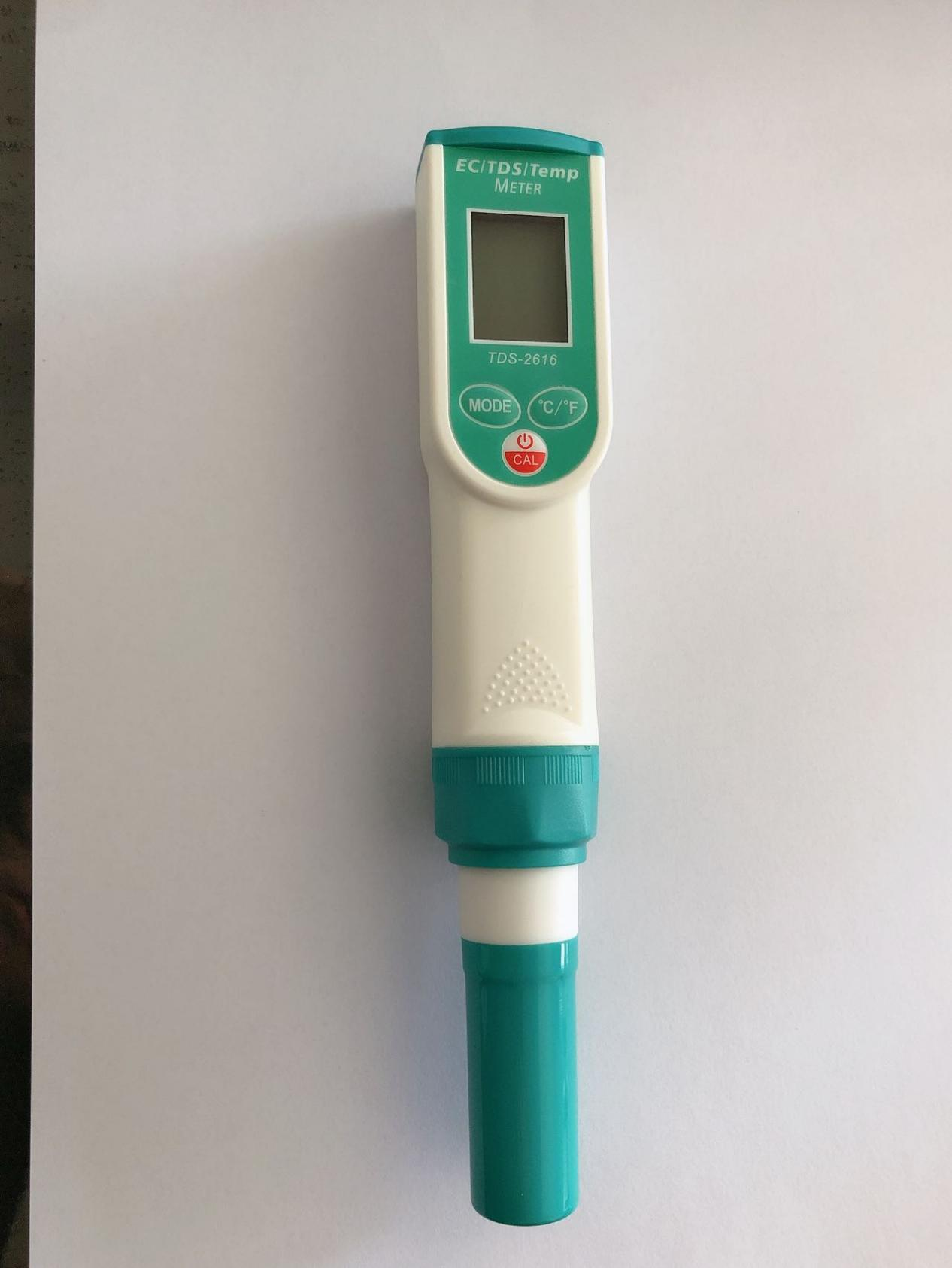 |
TDS-2616 Waterproof EC/TDS/Temperature Meter | Продавец: Коллирон электроникс лимитед | Range EC ~19.9mS TDS Temp 0~50℃ R... |

