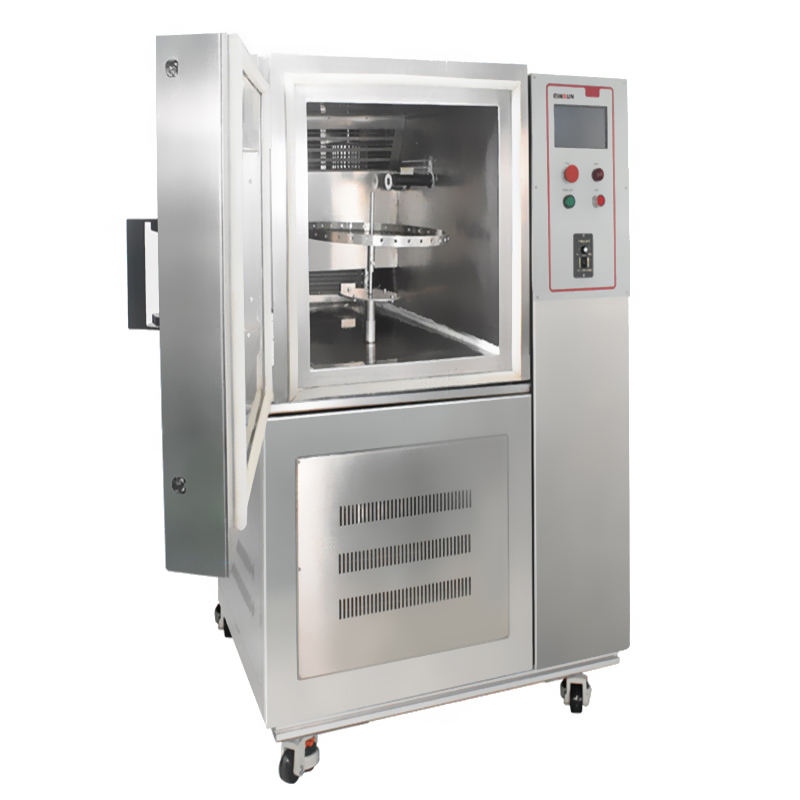
Catheter Leakage and Compliance Tester

Standards YY/T, etc. Main Uses The catheter leakage and compliance tester is mainly used to detect the leakage and compliance of medical catheters (such as the breathing circuits of ventilators and anesthesia machines). Specifically, it can: Leakage Test: By applying a certain pressure inside the catheter and monitoring the rate or extent of pressure drop, it determines whether there is leakage in the catheter. This is crucial for ensuring the sealing and safety of the catheter during medical procedures. Compliance Test: Compliance refers to the ability of the catheter to deform when subjected to external forces. The tester applies a certain pressure inside the catheter and measures the volume change of the catheter to evaluate its compliance. This is of great significance for understanding the flexibility and elasticity of the catheter, as well as its applicability in medical applications. Technical Parameters Pressure Range: Usually determined according to the test object and application scenarios. For example, the pressure range of medical breathing circuits may be between 0 - 300kPa. The measurement range of the pressure sensors of some testers may be narrower, such as 0 - 50kPa, for routine compliance testing. Pressure Accuracy: It is the key to ensuring the accuracy of test results. Generally, an accuracy of ±0.1% or higher is required. For example, when the measurement range of the pressure sensor is 0 - 50kPa, the accuracy may reach one - thousandth. Flow Range: It should cover various flow situations that the tested catheter may encounter. The common measurement range of flowmeters may be between 0 - 100L/min. Flow Accuracy: Also important, generally an accuracy of ±1% or higher is required. For example, when the range of the mass flow controller is 2L/min, the accuracy may be ±1%F.S. Volume Measurement Range and Accuracy: It should be adaptable to catheters of different volumes. The volume measurement range can be from a few milliliters to several liters. The volume measurement accuracy generally needs to reach ±0.1ml or higher to accurately calculate the compliance of the catheter. Test Time Range: The tester should be able to flexibly set the time for leakage tests and compliance tests. The time range for leakage tests may vary from a few seconds to several hours; in compliance tests, it can control the rate of pressure change and the time interval to accurately capture the volume changes of the catheter at different pressure stages.
Другие товары поставщика
|
|
Leather Rubbing Colorfastness Tester |
IntroductionIn daily life, leather products, such as leather clothing, purses, leather shoes ,etc., produce friction with their own or human body a... |
|
|
Sublimation Fastness Tester/Scorch Tester |
Color fastness tester for ironing sublimation - Testing instrument for ironing color fastness of materials
G247B Color fastness tester for ironing... |
|
|
Gloss Meter |
Standard
The SpectroColor Pro S Series Gloss Meter adheres to stringent automotive interior quality control standards, includingISO 2813. ASTM D52... |
|
|
Rapid screening Calorimeter |
Product Introduction:
The rapid - screening calorimeter is a professional calorimetric instrument for the quick assessment of reaction thermal haz... |
|
|
Mask respiratory resistance tester |
Mask & Respirator Breathing Resistance Tester
Respirator Breathing Resistance Tester is used to measure the respiratory resistance and expirat... |
Все товары поставщика
Похожие товары