

Acetyl Chloride


Все товары поставщика
Features of Acetyl Chloride
Product Name: Acetyl chloride
Chemical Formula: C2H3ClO
Acetyl chloride cas: 75-36-5
Dangerous Grade: 3.2
Technical Data ofAcetyl Chloride
|
ITERMS |
SPECIFICATION |
|
Appearance |
Colourless transparent liquid |
|
Assay |
≥99.0% |
|
Phosphorus content |
≤0.02% |
Package and Storage:
200kg/drum
Store in a cool, dry place. Keep container closed when not in use
Application /Application Industries:
Acetylation reagent
Pharmaceuticals
Dye
Acetyl chloride is a colorless flammable liquid with a pungent odor. It is violently decomposed by water or ethanol. Dissolved in chloroform, ether, benzene, petroleum ether or glacial acetic acid. Acetyl chloride is an irritant and corrosive agent. Contact with the skin can cause burns, and steam can strongly irritate the eyes and mucous membranes. When people inhale 2 ppm, they can feel the stimulating effect. Short-term exposure to higher concentrations of acetyl chloride may cause death or permanent damage. The amount of aquatic live poisoning is estimated to be in the range of 10 to 100 ppm.Acetyl chloride is used for organic compounds, dyes and pharmaceuticals. Industrial acetyl chloride can be obtained by reacting ketene with hydrogen chloride or by reacting sodium acetate, sulfur dioxide and chlorine. The laboratory can be prepared by reacting acetic acid, sodium acetate or acetic anhydride with various chlorinating agents. Acetyl chloride is an important acetylating agent with a stronger acylation capacity than acetic anhydride and is widely used in organic synthesis. Acetyl chloride is also a catalyst for the chlorination of carboxylic acids and can also be used for the quantitative analysis of hydroxyl or amino groups.Acetyl chloride is an important organic synthesis intermediate and acetylation reagent. It has stronger acylation ability than acetic anhydride and is widely used in organic synthesis. It can be used in the production of pesticides, medicines, new electroplating complexes, and other fine organic synthesis. The intermediate can be used in medicine for the preparation of 2,4-dichloro-5-fluoroacetophenone (intermediate of ciprofloxacin), ibuprofen. Acetyl chloride is also a catalyst for the chlorination of carboxylic acids.
For more informationabout glycolic acidand acetyl chloride priceor buy acetyl chloride, please feel free to contact us!
Отправить запрос, связаться с поставщиком
Другие товары поставщика
 |
Ethyl Iodide | Features of Ethyl Iodide Product Name: Ethyl iodide Chemical Formula: C2H5I ethyl iodide cas no: Cas 75-03-6 Dangerous Grade: 6.1 Technical ... |
 |
Butyl Vinyl Ether | Features of Butyl Vinyl Ether Product Name: butylvinylether Chemical Formula: C6H12O CAS 111-34-2/ CAS NO.: 111-34-2 Dangerous Grade: 3 Technical D... |
 |
Calcium Propionate | Features of Calcium Propionate Product Name: Calcium Propionate Chemical Formula: C6H10CaO4 CAS 4075-81-4 Dangerous Grade: None Technical Da... |
 |
L-Hydroxyproline | Features of L-Hydroxyproline lProduct Name: L-Hydroxyproline lChemical Formula: Chemical Formula: C5H9NO3 lCAS No.: 51-35-4 lDangerous Grade: N... |
 |
Ethyl Bromide | Features of Ethyl Bromide Product Name: Ethyl Bromide Chemical Formula: C2H5Br Cas 74 96 4 Dangerous Grade: 6.1 Technical Data of Ethyl Bromid... |
Похожие товары
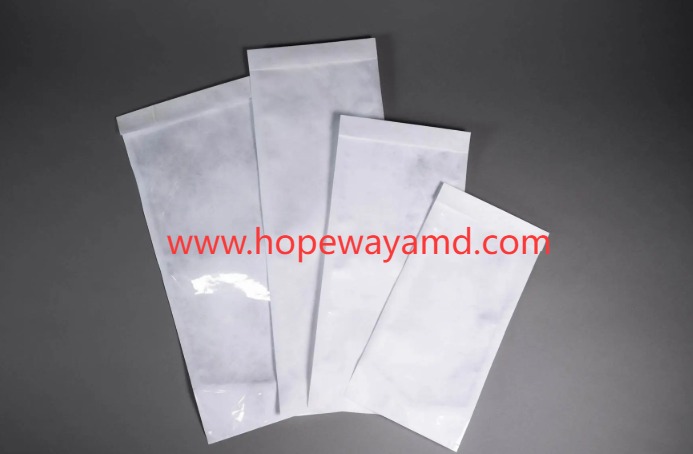 |
Heat Sealing Sterilization Pouch | Продавец: Hopeway AMD | Heat Sealing Sterilization Pouch is designed for secure medical instrument packaging, supporting ... |
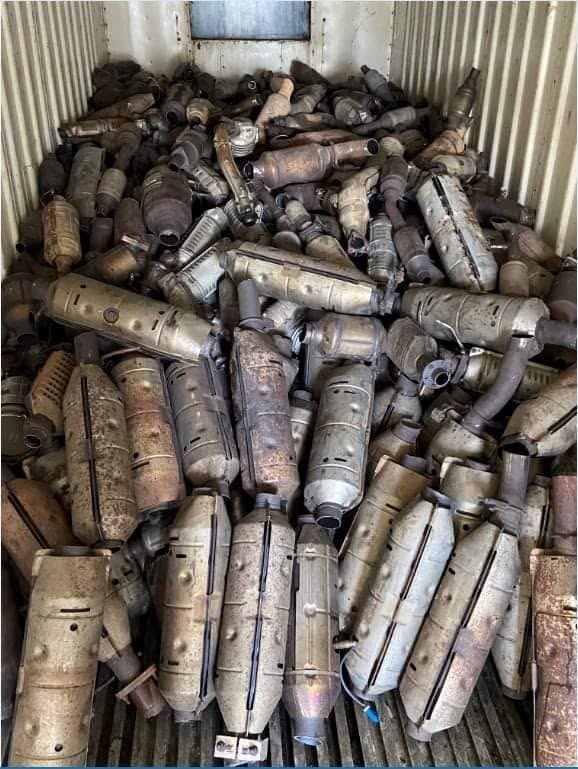 |
Catalytic Converter Scrap Supplier, Catalytic Converter Scrap for Sale, , Catalytic Converter Scrap, Catalytic Scrap for Sale, Catalytic Scrap Supplier, Scrap Catalytic Supplier | Продавец: Trucont LLC | В компании Trucont LLC мы постоянно предлагаем лом каталитических преобразователей для немедленно... |
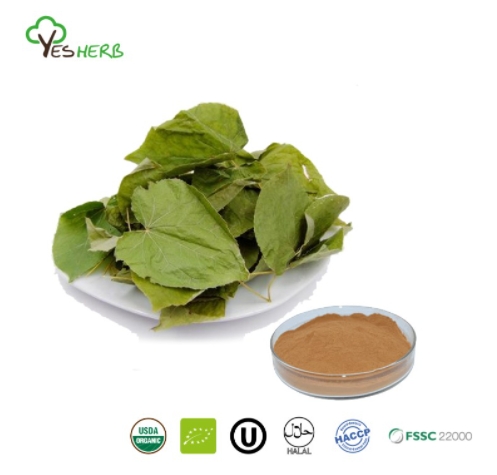 |
Epimedium Extract | Продавец: Fruit Powder,Vegetable Powder | Product Name: Epimedium ExtractLatin Name: Epimedium Sagittatum Maxim.Specification: Icariin 5%, ... |
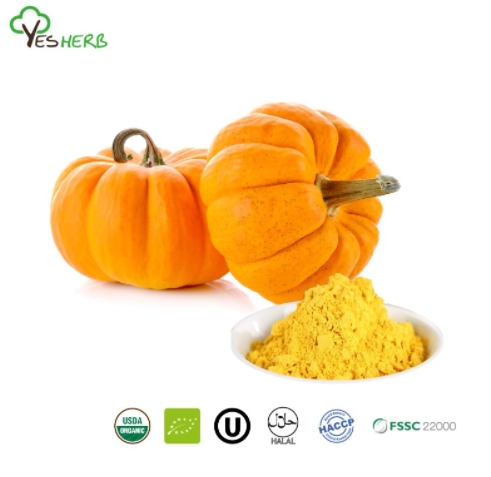 |
Pumpkin Powder | Продавец: Fruit Powder,Vegetable Powder | Product Name: Pumpkin PowderLatin Name: Cucurbita pepo L.Used Part: FruitAppearance: yellow fine ... |
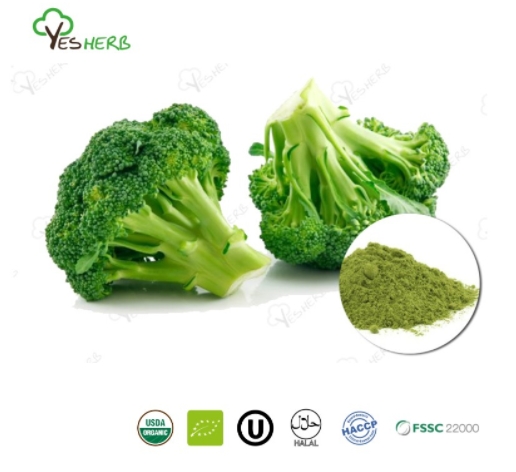 |
Broccoli Powder | Продавец: Fruit Powder,Vegetable Powder | Product Name: Broccoli powder Latin Name: Brassica oleracea L.var.italic Planch. Used Part: Who... |

