

Ultra-Pure Hydrogen

WA:+86 132 6275 2056
WEB: std-coatings.com
Product Details
Product Names
Ultra-Pure Hydrogen
High-Purity Hydrogen
Hydrogen
Purity
Ultra-Pure Hydrogen: ≥99.9999%
High-Purity Hydrogen: ≥99.999%
Impurity Content (ppm)
| Impurity | Ultra-Pure Hydrogen | High-Purity Hydrogen |
|---|---|---|
| Water (H₂O) | ≤0.5 | ≤3 |
| Oxygen (O₂) | ≤0.2 | ≤1 |
| Nitrogen (N₂) | ≤0.4 | ≤5 |
| Carbon Monoxide (CO) | ≤0.1 | ≤1 |
| Carbon Dioxide (CO₂) | ≤0.1 | ≤1 |
| Hydrocarbons (THC) | ≤0.2 | ≤1 |
Packaging
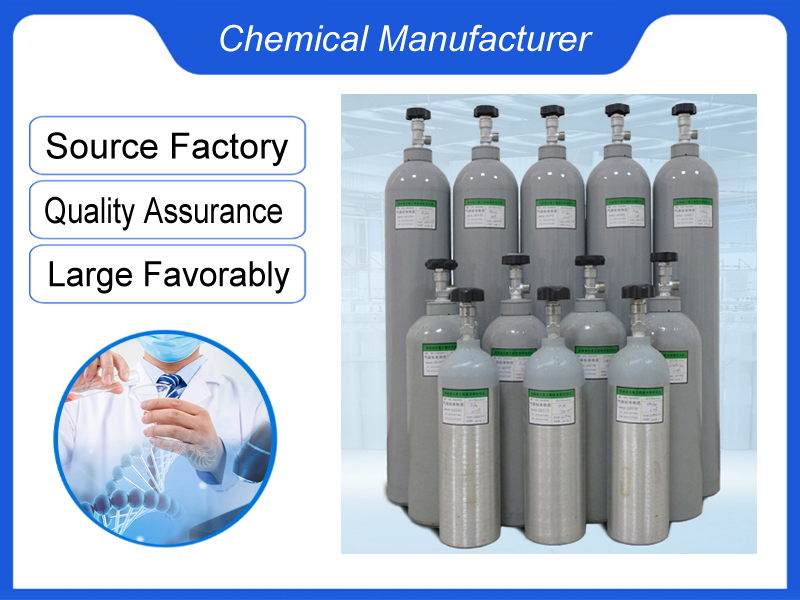
Filled in steel cylinders of 40L, 49L, 50L, and also available in smaller cylinders of 8-10L upon customer request.
Applications
Recommended for industrial use, synthesis of ammonia and methanol, petroleum refining, hydrogenation of organic compounds, etc.
Safety Information
CAS Number: 1333-74-0.
Physical and Chemical Properties: Colorless and odorless gas. Insoluble in water, ethanol, and ether. Melting point (℃): -259.2; Boiling point (℃): -252.8; Relative density (water=1): 1.20 (-246℃); Relative density (air=1): 0.7; Saturation vapor pressure (kPa): 101.32 (-246℃); Flash point (℃): Not applicable; Combustion heat (kJ/mol): Not applicable; Critical temperature (℃): -228.7; Critical pressure (MPa): 2.73; Upper explosion limit (v%): Not applicable; Lower explosion limit (v%): Not applicable; Ignition temperature (℃): Not applicable.
Combustion and Explosion Hazards: Non-flammable. Under high heat, the pressure inside the container may increase, posing a risk of rupture and explosion.
Firefighting Methods: Flammable, forms explosive mixtures with air. Can explode when exposed to heat or open flame. Lighter than air, leaks can rise and linger in indoor spaces, posing an explosion risk if ignited. Reacts violently with halogens such as fluorine, chlorine, and bromine. Cut off the gas supply. Do not extinguish the fire if the gas supply cannot be cut off. Firefighters must wear air呼吸器 (respirators) and full protective clothing, and fight the fire from the upwind direction. Remove containers from the fire area if possible. Cool the containers with water until the fire is out. Fire extinguishing agents: water spray, foam, carbon dioxide, dry powder.
Health Hazards: Physiologically inert gas, can cause asphyxiation at high concentrations due to reduced oxygen partial pressure. Can exhibit anesthetic effects at very high pressures. Symptoms of oxygen deprivation include palpitations, shortness of breath, dizziness, headache, weakness, vertigo, nausea, vomiting, tinnitus, blurred vision, and impaired judgment. Severe cases can quickly progress to mental confusion, loss of consciousness, and potentially respiratory and circulatory failure.
First Aid Measures: Inhalation: Quickly move to a fresh air area. Keep the airway clear. If breathing is difficult, administer oxygen. If breathing stops, perform artificial respiration immediately. If breathing and heartbeat stop, perform artificial respiration and external chest compressions immediately.
Отправить запрос, связаться с поставщиком
Другие товары поставщика
 |
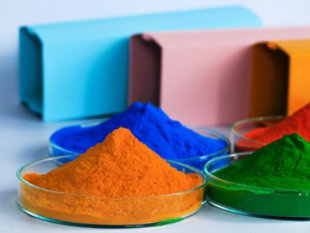
High-End Industrial Powder Coatings | 1. Key Industries & Requirements High-end sectors demand certified performance, durability, and compliance: Aerospace/Defense: Corrosion, UV,... |
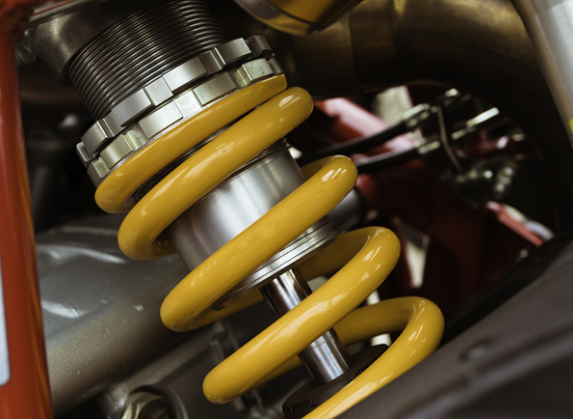 |
Automobile spring powder coating | Brief description: Made of saturated polyester resin, epoxy resin or epoxy polyester mixed type as base material. Features: Excellent physical a... |
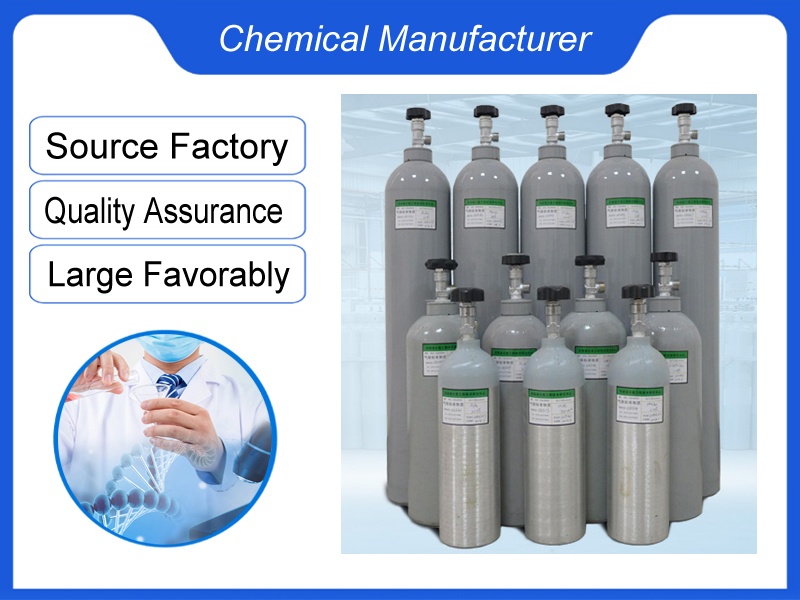 |
Mixed Gases | WA:+86 132 6275 2056 WEB: std-coatings.com Mixed gases, also known as gas mixtures, are combinations of two or more different gases. These ... |
 |
Extreme Protection Edge powder Coating | WA:+86 132 6275 2056 WEB: std-coatings.com Detailed Description Extreme Protection Edge powder coatings deliver exceptional edge corrosion pro... |
|
|
Acrylic Clear Powder Coatings | Feature: -Excellent exterior exposure durability -Excellent durable high gloss -Excellent clarity and flowing -Stain and chemical resistance -... |
Похожие товары
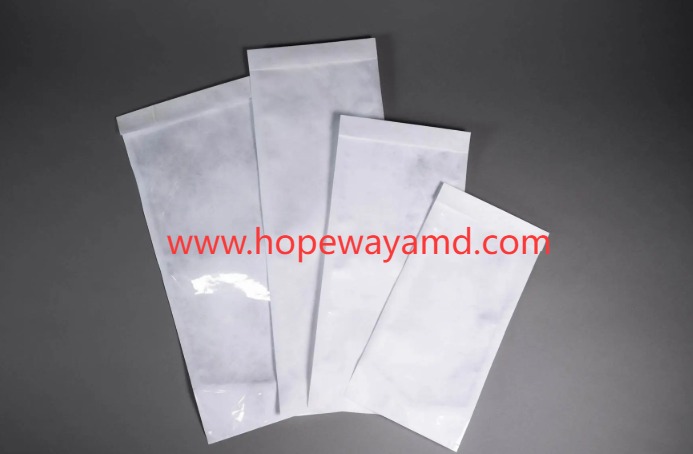 |
Heat Sealing Sterilization Pouch | Продавец: Hopeway AMD | Heat Sealing Sterilization Pouch is designed for secure medical instrument packaging, supporting ... |
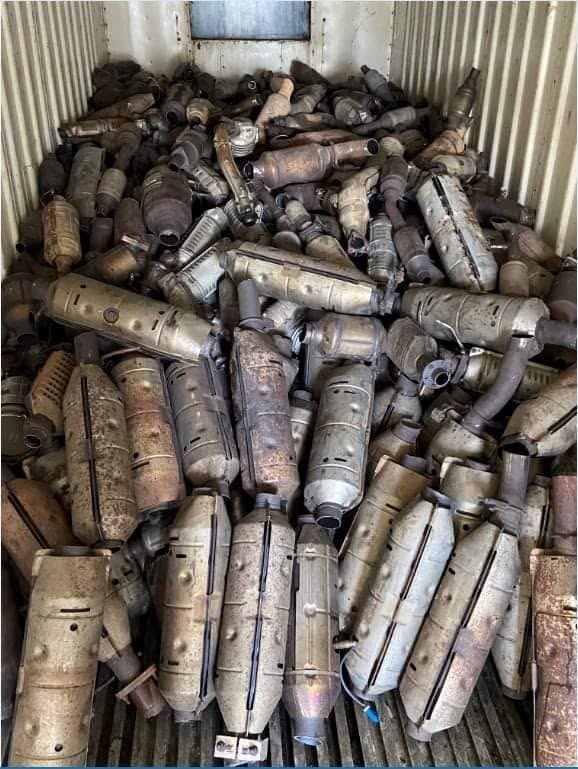 |
Catalytic Converter Scrap Supplier, Catalytic Converter Scrap for Sale, , Catalytic Converter Scrap, Catalytic Scrap for Sale, Catalytic Scrap Supplier, Scrap Catalytic Supplier | Продавец: Trucont LLC | В компании Trucont LLC мы постоянно предлагаем лом каталитических преобразователей для немедленно... |
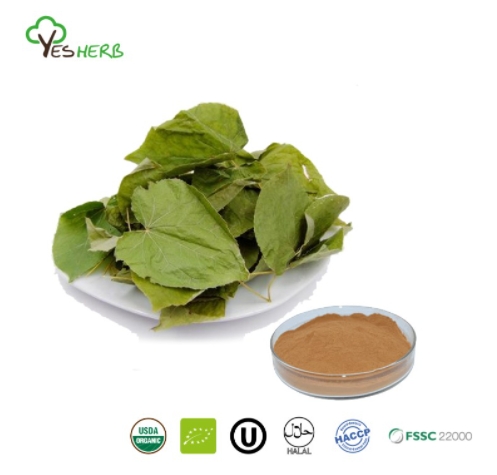 |
Epimedium Extract | Продавец: Fruit Powder,Vegetable Powder | Product Name: Epimedium ExtractLatin Name: Epimedium Sagittatum Maxim.Specification: Icariin 5%, ... |
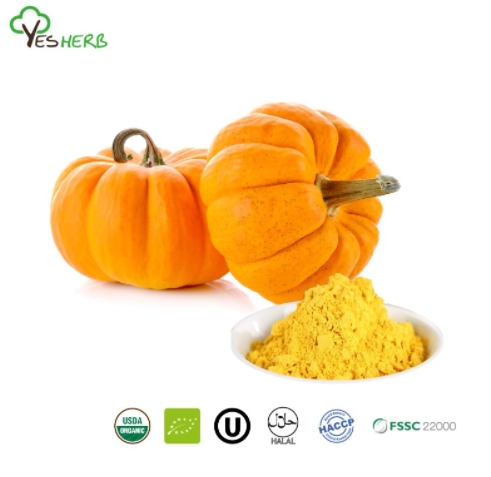 |
Pumpkin Powder | Продавец: Fruit Powder,Vegetable Powder | Product Name: Pumpkin PowderLatin Name: Cucurbita pepo L.Used Part: FruitAppearance: yellow fine ... |
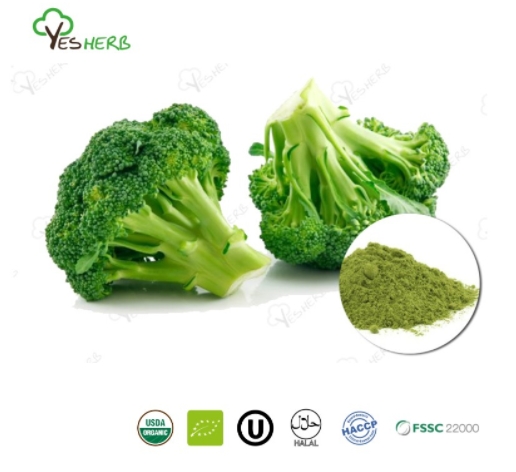 |
Broccoli Powder | Продавец: Fruit Powder,Vegetable Powder | Product Name: Broccoli powder Latin Name: Brassica oleracea L.var.italic Planch. Used Part: Who... |

