

Ammonia

WA:+86 132 6275 2056
WEB: std-coatings.com
Introduction
Ammonia (NH₃) is a colorless gas with a pungent, characteristic odor. It is one of the most widely produced chemicals globally, playing a crucial role in various industrial processes and agricultural applications. Ammonia is highly soluble in water and can form ammonium hydroxide when dissolved, making it useful in numerous chemical reactions.
Properties of Ammonia
Ammonia has a molecular weight of 17.03 g/mol. It boils at -33.34°C (-28.01°F) and freezes at -77.73°C (-107.91°F). Its density is 0.73 g/L at standard conditions, making it lighter than air. Ammonia is highly reactive and can form a wide range of compounds, such as ammonium salts and amines. It is also a weak base, capable of neutralizing acids.
Industrial Uses
Ammonia is a cornerstone of the chemical industry. The largest single use of ammonia is in the production of fertilizers. It is a key component in the synthesis of nitrogen-based fertilizers, which are essential for modern agriculture. Additionally, ammonia is used in the production of nitric acid, a vital chemical for manufacturing explosives and other industrial chemicals.
In the refrigeration industry, ammonia is used as a refrigerant due to its high efficiency and low cost. It is also employed in the production of plastics, fibers, and other synthetic materials. Ammonia is used in water treatment to neutralize acidic water and to remove contaminants.
Agricultural Applications
Ammonia is a critical component in the production of nitrogen fertilizers, which are essential for crop growth. It is often applied directly to soil or used as a precursor for other fertilizers. The use of ammonia-based fertilizers has significantly increased agricultural productivity worldwide.
Environmental and Safety Considerations
Ammonia is a hazardous gas and must be handled with care. It is toxic and can cause severe irritation to the eyes, skin, and respiratory system. High concentrations of ammonia can be fatal. Therefore, proper ventilation and personal protective equipment (PPE) are essential when handling ammonia.
Ammonia is also an environmental concern. When released into the atmosphere, it can contribute to acid rain and the formation of fine particulate matter, which can have adverse effects on human health and the environment. Additionally, ammonia runoff from agricultural fields can lead to water pollution and eutrophication.
Conclusion
Ammonia is a versatile and essential chemical with a wide range of applications in industry and agriculture. Its unique properties make it invaluable for various processes, from fertilizer production to refrigeration. However, its hazardous nature requires careful handling and management to ensure safety and minimize environmental impact. As technology advances, efforts to improve the efficiency and safety of ammonia production and use will continue to be a priority.
Отправить запрос, связаться с поставщиком
Другие товары поставщика
 |
Aluminum profile powder coating | Getaquote whats/app:+86 132 6275 2056 WEB: std-coatings.com Brief description: Made of saturated polyester or polyurethane resin as base material F... |
 |
High-Performance Metal Bonding Powder Coating | Getaquote whats/app:+86 132 6275 2056 WEB: std-coatings.com A specialized upgrade of metallic powder coatings, designed to eliminatepigment separat... |
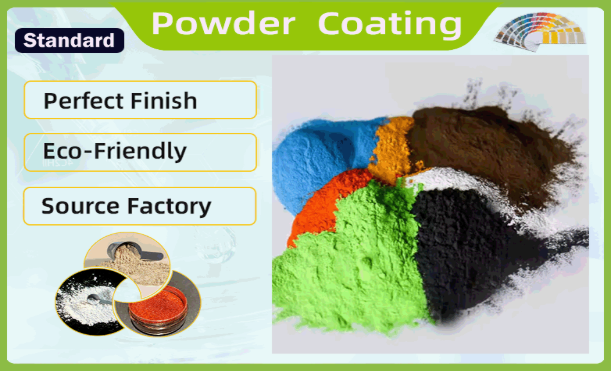 |
MT-A700 series powder coating | Getaquote whats/app:+86 132 6275 2056 WEB: std-coatings.com Product overview A series of products designed for rail transit internal and external p... |
 |
MDF powder coating | Brief description: Made of epoxy type, epoxy polyester mixed type, etc. as base materials. Features: It has the advantages of solvent-free, poll... |
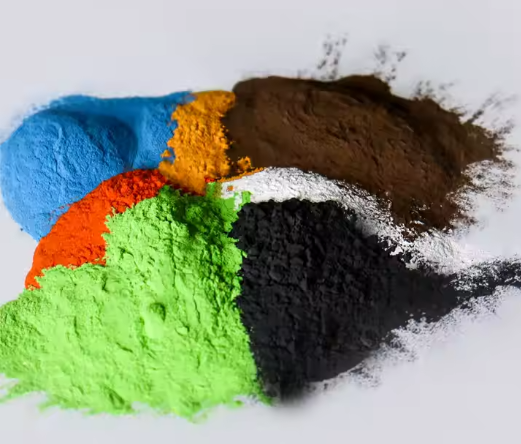 |
Sand grain matte MT-03968004 | Introduction No. MT-039/68004 Color Brown Surface Sand grain matte System Weather-resistant polyester Scope of appli... |
Похожие товары
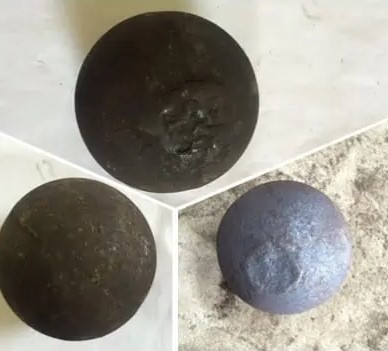 |
Casting Grinding Balls | Продавец: 869376 | Casting Grinding Balls , so called as Casting Grinding media balls,casting grinding steel ba... |
 |
Key Quality Factors in Food Contact Paper Production | Продавец: Zhejiang Guanghe New Materials Co., Ltd. | Guanghe supplies food-grade parchment paper for commercial bakeries, food processors, restaurants... |
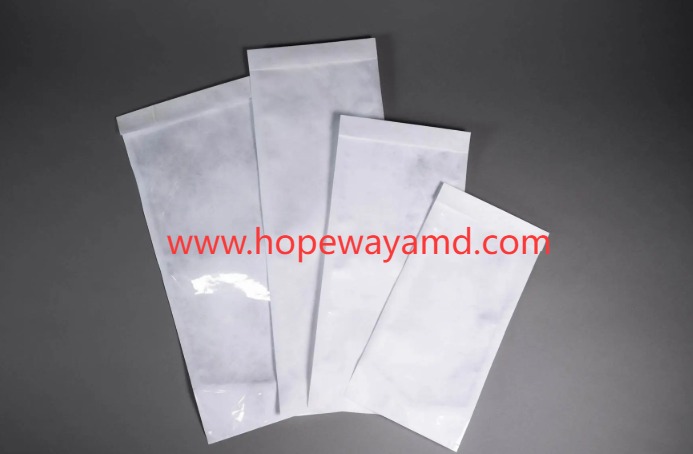 |
Heat Sealing Sterilization Pouch | Продавец: Hopeway AMD | Heat Sealing Sterilization Pouch is designed for secure medical instrument packaging, supporting ... |
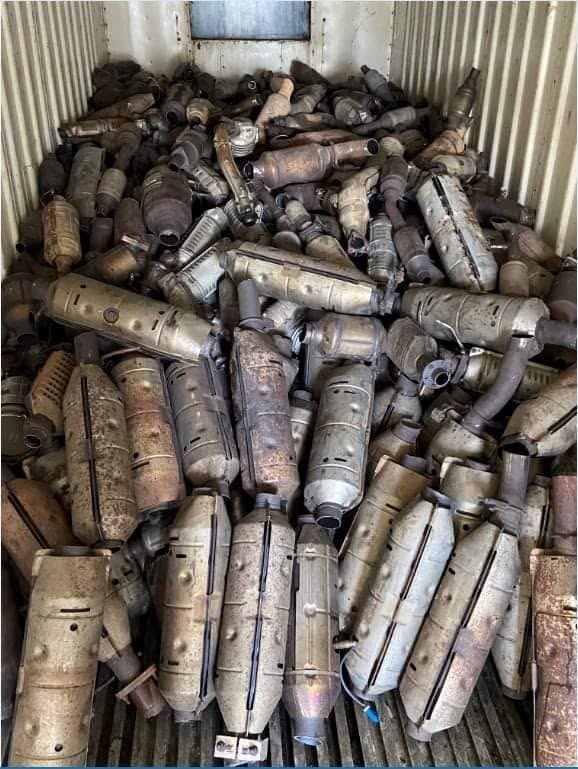 |
Catalytic Converter Scrap Supplier, Catalytic Converter Scrap for Sale, , Catalytic Converter Scrap, Catalytic Scrap for Sale, Catalytic Scrap Supplier, Scrap Catalytic Supplier | Продавец: Trucont LLC | В компании Trucont LLC мы постоянно предлагаем лом каталитических преобразователей для немедленно... |
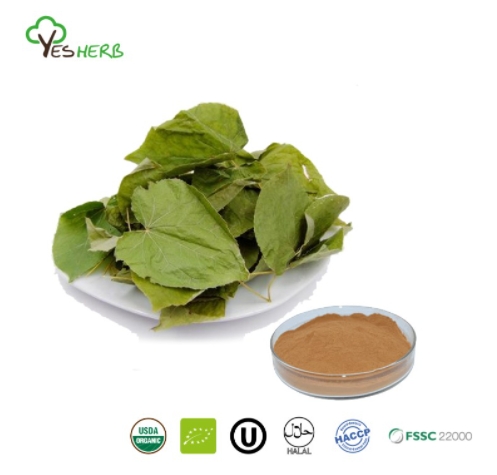 |
Epimedium Extract | Продавец: Fruit Powder,Vegetable Powder | Product Name: Epimedium ExtractLatin Name: Epimedium Sagittatum Maxim.Specification: Icariin 5%, ... |

