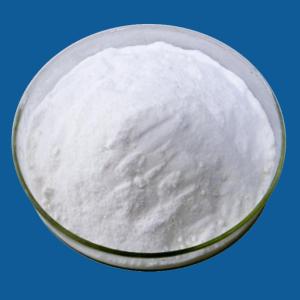
Phospho-L-Tyrosine Disodium Salt

Storage Precautions of Phospho-L-Tyrosine Disodium Salt
Prevent catalytic degradation by storing the product away from biological samples (e.g., cell lysates, serum) that may contain phosphatases (e.g., alkaline phosphatase, PTP1B); add phosphatase inhibitors (e.g., 1 mM Na₃VO₄, 50 mM sodium fluoride) to reconstituted solutions for cell-based or enzyme activity experiments. For protein-related applications, include protease inhibitors (e.g., PMSF, EDTA) to avoid degradation by contaminating proteases.
Maintain storage solutions at pH 5.0–7.0, as acidic (pH <4) or alkaline (pH >8) environments accelerate phosphate ester bond hydrolysis into L-tyrosine and inorganic phosphate. Keep storage areas dry with relative humidity <60%; place desiccant packs (silica gel or molecular sieves) in containers for dry powder to absorb residual moisture, and avoid opening containers in humid environments to prevent moisture absorption.
Protect against light and oxidation: the phosphate ester group and aromatic benzene ring are sensitive to UV/visible light-induced oxidation, so store in light-resistant containers and keep freezers/dry cabinets away from direct sunlight or fluorescent lighting. For long-term storage, flush containers with inert gas to displace oxygen, reducing oxidative degradation of the tyrosine side chain.
Store separately from strong acids (e.g., HCl), strong bases (e.g., NaOH), oxidizing agents (e.g., hydrogen peroxide), and metal ions (e.g., Fe³⁺, Cu²⁺), as these substances can cleave the phosphate ester bond, oxidize the amino group, or catalyze hydrolysis. Use glass or HDPE containers instead of metal vessels to avoid contact with catalytic metal ions.
Другие товары поставщика
|
|
Hydantoin |
Hydantoin in Pharmaceutical Industry Anticonvulsant Medications: Many hydantoin - based drugs are used to treat epilepsy. Phenytoin is a classic e... |
|
|
Food Additives |
The chemical formula of glycyl-glycyl-glycine (triglycine) is C₆H₁₂N₃O₄. This tripeptide is composed of three glycine residues linked by peptide bo... |
|
|
DL-Tryptophan |
DL-Tryptophan in Pharmaceutical and Biochemical Research Precursor for Bioactive Compounds: DL-Tryptophan serves as a starting material in the synt... |
|
|
L-Aspartic acid monosodium salt monohydrate |
产品名称:L-Aspartic acid monosodium salt monohydrateCAS号:分子式:C4H10NNaO5分子量:175.12EINECS号:223-264-0熔点:~140°C(dec.)储存条件-20°CFreezer,Underinertatm... |
|
|
BOC-L-GLU(ME)-OME |
Core Applications of BOC-L-GLU(ME)-OME Peptide Synthesis Intermediate: It is a standard reagent for solid-phase or solution-phase peptide synthesis... |
Все товары поставщика
Похожие товары
|
|
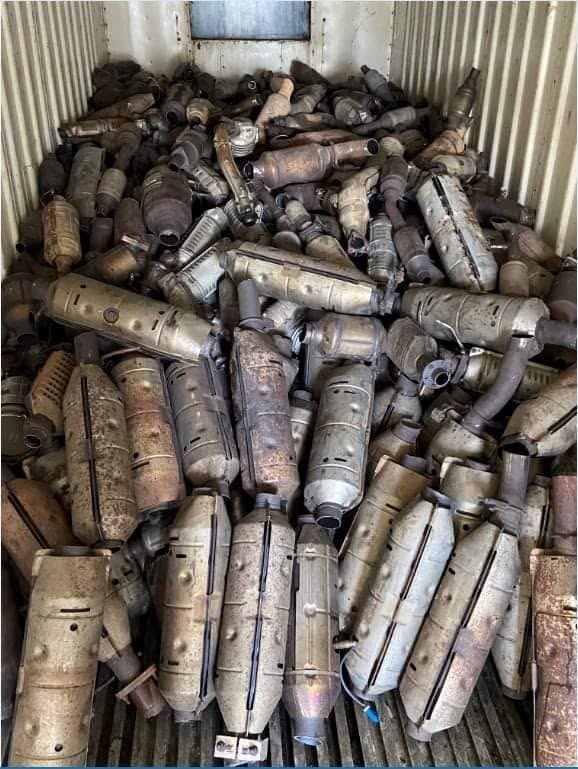
Catalytic Converter Scrap Supplier, Catalytic Converter Scrap for Sale, , Catalytic Converter Scrap, Catalytic Scrap for Sale, Catalytic Scrap Supplier, Scrap Catalytic Supplier |
Продавец: Trucont LLC |
В компании Trucont LLC мы постоянно предлагаем лом каталитических преобразователей для немедленно... |
|
|
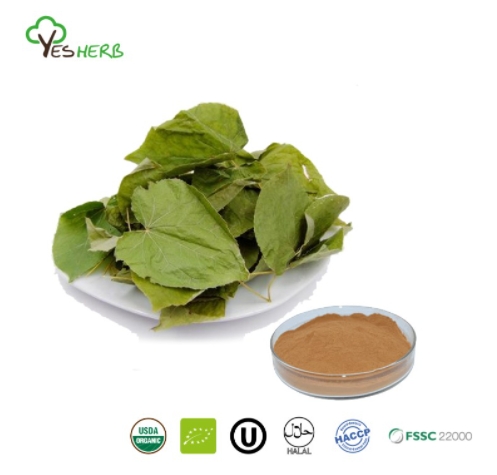
Epimedium Extract |
Продавец: Fruit Powder,Vegetable Powder |
Product Name: Epimedium ExtractLatin Name: Epimedium Sagittatum Maxim.Specification: Icariin 5%, ... |
|
|
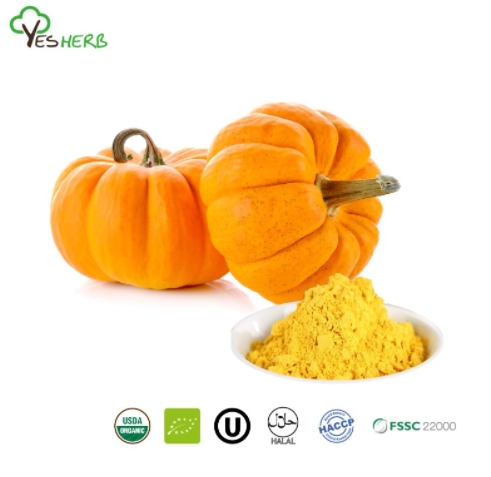
Pumpkin Powder |
Продавец: Fruit Powder,Vegetable Powder |
Product Name: Pumpkin PowderLatin Name: Cucurbita pepo L.Used Part: FruitAppearance: yellow fine ... |
|
|
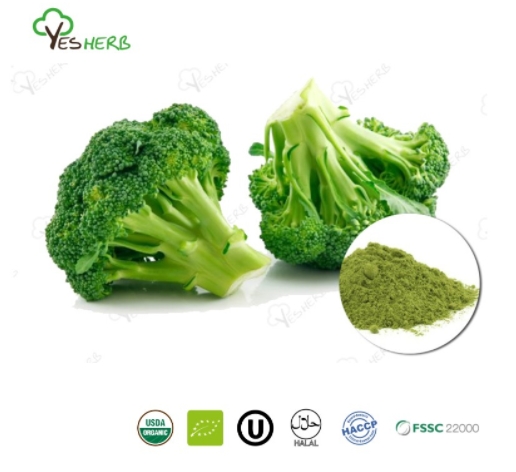
Broccoli Powder |
Продавец: Fruit Powder,Vegetable Powder |
Product Name: Broccoli powder
Latin Name: Brassica oleracea L.var.italic Planch.
Used Part: Who... |
|
|
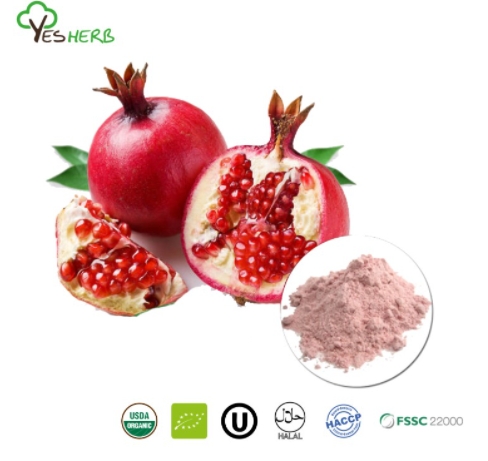
Pomegranate Powder |
Продавец: Fruit Powder,Vegetable Powder |
Product Name: Pomegranate PowderLatin Name: Punica granatum linn.Used Part: Fruit juiceAppearance... |