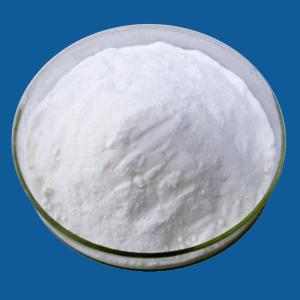
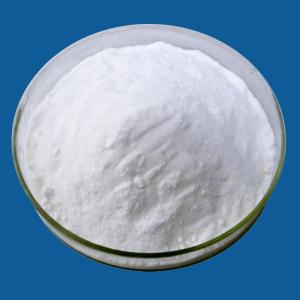
Cystine Disodium Salt
The disulfide bond (-S-S-) is the most reactive functional group in Cystine Disodium Salt, and its redox conversion with thiol groups (-SH) is a core reaction in biological systems.
- Reduction reaction: Under mild reducing conditions, the disulfide bond is cleaved to generate two molecules of sodium cysteinate. Common reducing agents include dithiothreitol (DTT), β-mercaptoethanol, and sodium sulfite. For example, in the presence of DTT (molar ratio 1:1), Cystine Disodium Salt is completely reduced to sodium cysteinate in an aqueous solution at 37 °C within 30 minutes. This reaction is reversible and is widely used in protein chemistry to break disulfide bonds in denatured proteins.
- Oxidation reaction: Conversely, sodium cysteinate can be oxidized back to Cystine Disodium Salt by exposure to air or mild oxidants (e.g., hydrogen peroxide, iodine solution). In the presence of trace metal ions (e.g., Cu²⁺, Fe³⁺), this oxidation reaction is significantly accelerated, which is why Cystine Disodium Salt formulations often add metal chelators (e.g., EDTA) to improve stability.
- Disulfide exchange reaction: Cystine Disodium Salt can undergo disulfide exchange with other thiol-containing compounds (e.g., glutathione, cysteine). This reaction is critical for maintaining the redox balance of biological systems and regulating the structure and function of proteins containing disulfide bonds.
Другие товары поставщика
|
|
L-Alanyl-L-Tyrosine |
The uses of L-Alanyl-L-TyrosineThe field of medicineNutritional supplements: As derivatives of amino acids, they can provide the human body with ne... |
|
|
BOC-L-GLU(ME)-OME |
In the field of peptide synthesis, BOC-L-GLU(ME)-OME is the standard building block for peptides containing glutamic acid residues, mainly used in ... |
|
|
DL-tryptophan |
Transportation Points Temperature Control During transportation, avoid extreme temperature fluctuations. Use insulated packaging or refrigerated tr... |
|
|
DL-Tryptophan |
DL-Tryptophan is a racemic mixture of the two enantiomers of the amino acid tryptophan: L-tryptophan and D-tryptophan.L-tryptophan is the naturally... |
|
|
Glycylglycine |
·As a Blood Preservative: Glycylglycine plays a stabilizing role in blood preservation, helping to extend the storage time of blood and ensu... |
Все товары поставщика
Похожие товары