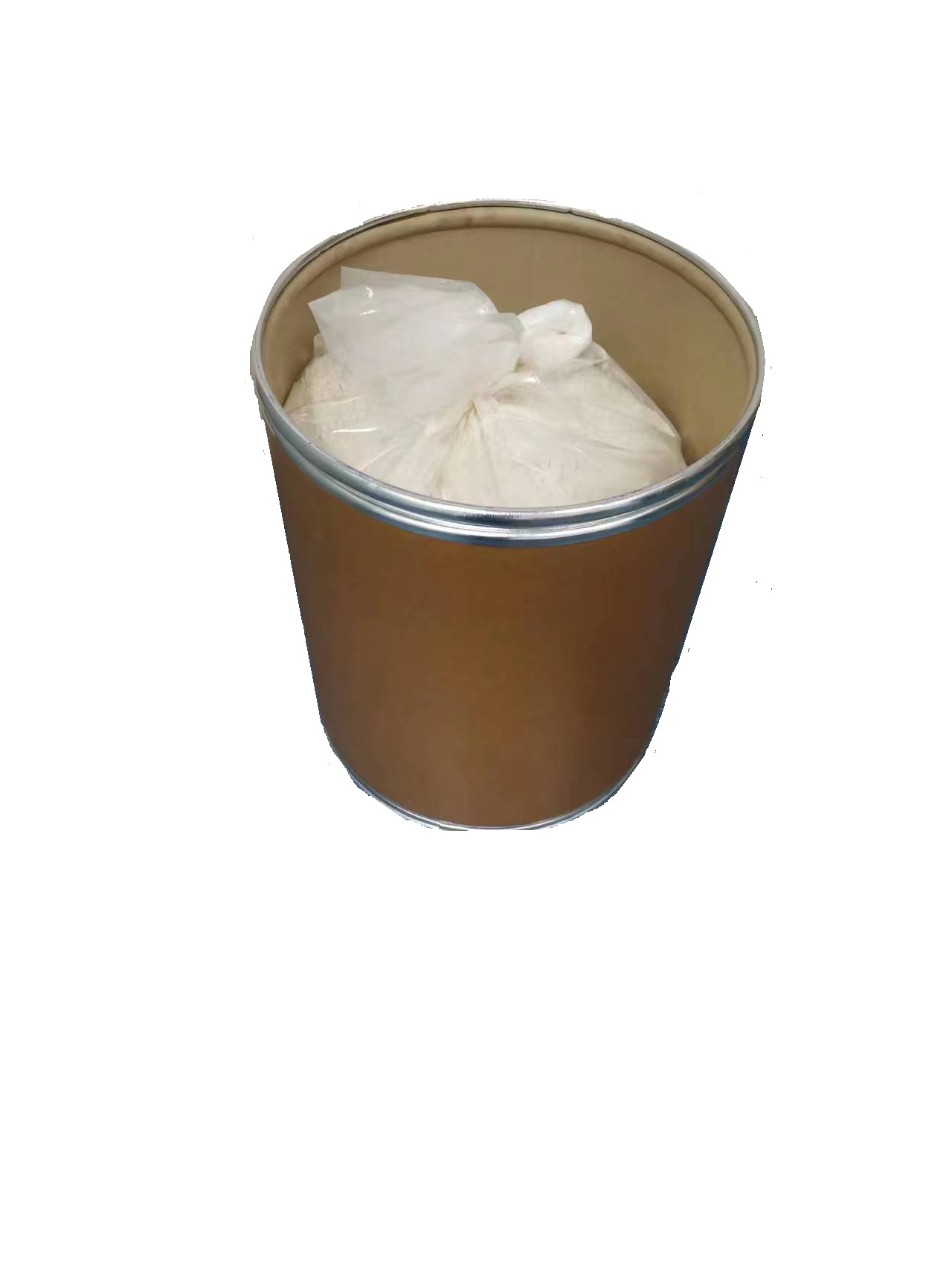
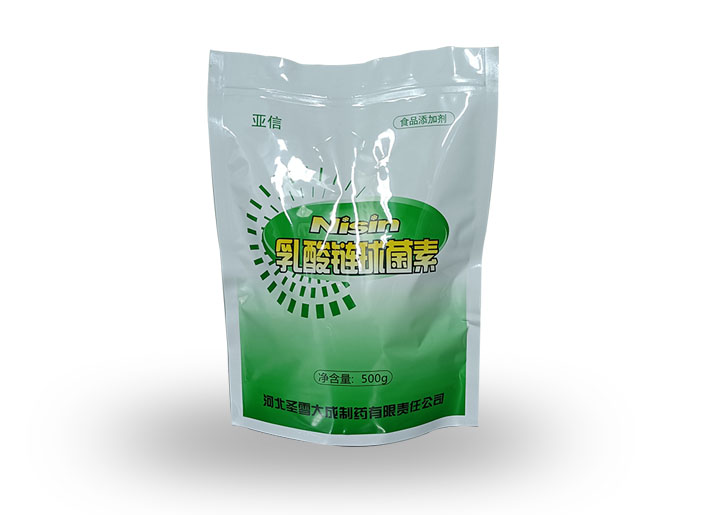
Nisin Powder

The storage of nisin requires attention to the following key points to maintain its activity and stability. Here are the specific storage guidelines:
1. Temperature Control
Optimal Storage Temperature: Store nisin at 2–8°C (refrigerated conditions). This temperature range helps preserve its antibacterial activity and prevents degradation caused by high temperatures.
Avoid Extreme Temperatures:
High temperatures (e.g., above 30°C) can accelerate the denaturation of nisin’s polypeptide structure, reducing its efficacy.
Freezing is generally not recommended unless specified by the manufacturer, as repeated freezing and thawing may damage the product’s stability.
2. Moisture and Humidity
Keep Dry: Nisin is sensitive to moisture, which can cause clumping or microbial contamination. Store it in a dry environment with relative humidity (RH) below 60%.
Airtight Packaging: Ensure the packaging is sealed tightly to prevent moisture absorption. If the product is in a bulk container, reseal it immediately after use to avoid exposure to air.
3. Light Protection
Store in the Dark: Nisin is prone to degradation under direct sunlight or strong artificial light. Keep it in opaque containers or in a dark storage area to minimize light exposure.
4. Packaging and Container Requirements
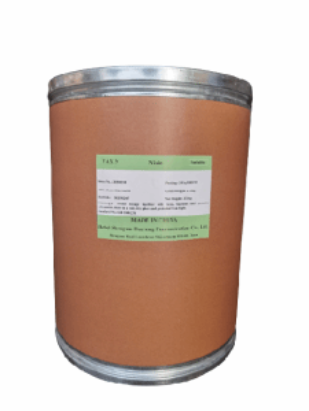
Original Packaging: Use the original packaging provided by the manufacturer, which is typically designed to protect the product from external factors (e.g., moisture, light, oxygen).
Food - Grade Containers: If transferring nisin to another container, ensure it is made of food - grade materials (e.g., stainless steel, food - safe plastic) and is clean and dry.
5. Shelf Life and Expiry Date
Adhere to Shelf Life: Nisin typically has a shelf life of 2–3 years when stored under recommended conditions. Always check the expiry date on the packaging before use.
First - In - First - Out (FIFO): Rotate inventory to use older batches first, reducing the risk of product degradation.
6. Avoid Contamination
Hygienic Handling: When dispensing nisin, use clean, dry utensils to prevent contamination by microorganisms, dust, or other foreign substances.
Separation from Toxic Substances: Store nisin separately from chemicals, cleaning agents, or strong - smelling substances to avoid cross - contamination or chemical reactions.
7. Stability in Solution
Prepared Solutions: If nisin is dissolved in water or a solvent, use the solution promptly (within 24 hours) and store it refrigerated. Long - term storage of solutions may reduce its activity.
pH Consideration: Nisin is more stable in acidic environments (pH 3–5). Avoid dissolving it in alkaline solutions (pH > 7), as high pH can accelerate its degradation.
8. Manufacturer’s Instructions
Always refer to the specific storage guidelines provided by the nisin manufacturer, as different formulations or grades (e.g., food - grade, pharmaceutical - grade) may have slightly varying requirements.
By following these key points, nisin can maintain its antibacterial efficacy and safety, ensuring optimal performance when used in food preservation or other applications.
Другие товары поставщика
|
|
Nisin in Meat and Poultry Products |
Application in Meat and Poultry Products: Inhibiting Pathogens and Reducing SpoilageMeat and poultry products (e.g., fresh meat, cooked ham, sausag... |
|
|
Natamycin 7681-93-8 |
The application fields of natamycin1. Food industryAnti-corrosion and preservation: As a natural preservative, it is widely used in foods such as c... |
|
|
Nisin |
Nisin’s stability is significantly affected by interactions with food components, which alter its free concentration and ability to reach bac... |
|
|
Vitamin C Soluble Powder 25% 1kg |
Trade Name:Shengxue WeikangGeneric Name:Vitamin C Soluble PowderActive Ingredient:Vitamin CDescription:This product is a white powder.Specification... |
|
|
Partners, long-term cooperation |
Unlike broad-spectrum preservatives that may disrupt beneficial microbial communities or alter food flavor, nisin exhibits highly specific antibact... |
Все товары поставщика
Похожие товары