L-Phenylalanine
L-Phenylalanine is an essential amino acid with significant biological functions and various applications. Here is a detailed account:
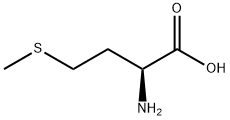
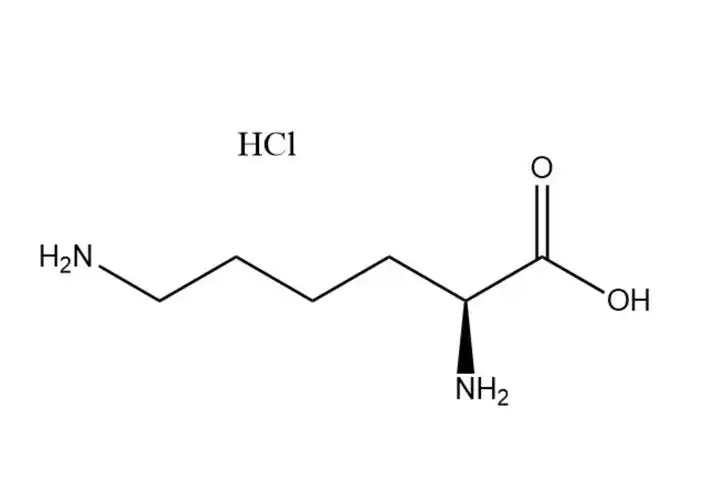
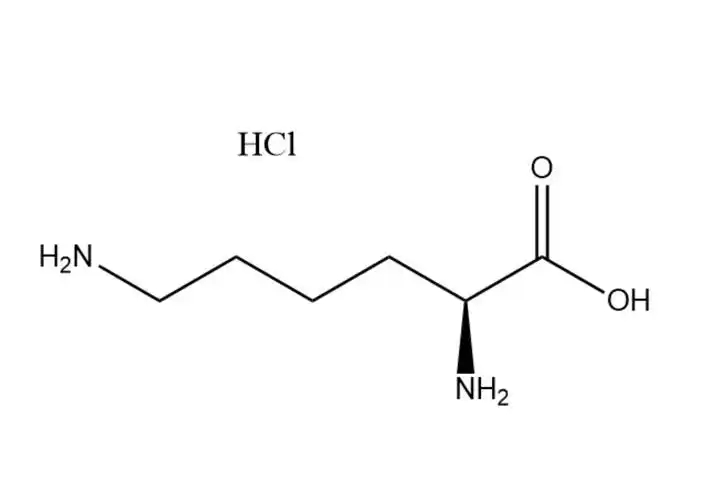
- Chemical Structure: It belongs to the class of aromatic amino acids. L-Phenylalanine has a phenyl group attached to the alpha-carbon of the amino acid structure. Its chemical formula is C₉H₁₁NO₂ and its molecular weight is approximately 165.19 g/mol.
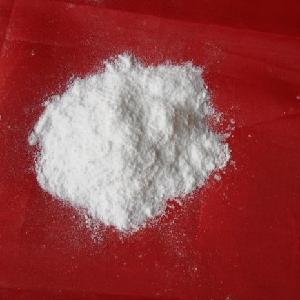
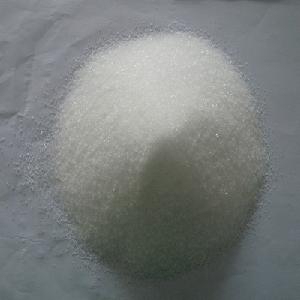
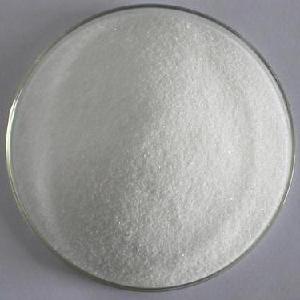
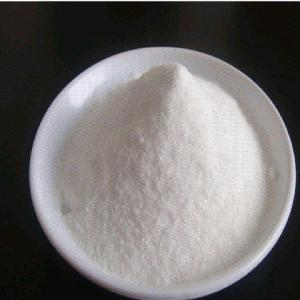
- Physical Properties: It appears as a white crystalline powder and is relatively insoluble in water. It has a slightly bitter taste.
- Protein Synthesis: As an essential amino acid, L-Phenylalanine is a crucial building block for proteins in the human body. It is incorporated into polypeptide chains during protein biosynthesis, contributing to the structure and function of various proteins, enzymes, and hormones.
- Precursor for Other Compounds: It serves as a precursor for the synthesis of important biomolecules. For example, it can be converted into L-tyrosine, another amino acid, which is further used to produce neurotransmitters like dopamine, norepinephrine, and epinephrine. These neurotransmitters play vital roles in regulating mood, cognitive function, and the body's stress response. Additionally, L-phenylalanine is involved in the synthesis of melanin, the pigment responsible for skin, hair, and eye color.
- Metabolic Regulation: It participates in various metabolic pathways in the body. The metabolism of L-phenylalanine is carefully regulated, and any disruptions in its metabolism can lead to genetic disorders such as phenylketonuria (PKU).
- Medical Field:
- Treatment of PKU: In the case of phenylketonuria, patients have a deficiency in the enzyme that metabolizes L-phenylalanine. Special low-phenylalanine diets are prescribed, and in some cases, L-phenylalanine-free amino acid supplements are used to ensure proper nutrition while managing the disease.
- Depression and Mood Disorders: Some studies suggest that L-phenylalanine may have a role in treating depression and mood disorders due to its involvement in neurotransmitter synthesis. It is sometimes used as an adjunct therapy in combination with other antidepressant medications.
- Food Industry: It is used as a food additive, especially in the production of artificial sweeteners. For example, it is a component of aspartame, a widely used low-calorie sweetener. L-Phenylalanine can enhance the sweetness of food products and is often used in sugar-free and low-calorie foods and beverages to provide a sweet taste without adding significant calories.
- Cosmetics: Due to its role in melanin synthesis, L-phenylalanine is used in some cosmetic products. It is believed to help in maintaining healthy skin color and may have applications in products aimed at improving skin tone and reducing the appearance of pigmentation disorders.
In conclusion, L-Phenylalanine is a vital amino acid with diverse functions in the body and important applications in multiple industries. However, as with any substance, its use and intake should be carefully considered and regulated, especially in individuals with specific medical conditions or dietary restrictions.
Другие товары поставщика
|
|
DL-Alanine Powder |
Ultraviolet (UV) light and intense visible light can accelerate the oxidation of DL-Alanine’s amino group (-NH₂), leading to the formation of... |
|
|
DL-Methionine |
Solubility of DL-MethionineWater solubility: DL-methionine isslightly soluble in water, which is a typical characteristic of non-polar amino acids.... |
|
|
Glycine |
Glycine is a food-grade amino acid approved by the state. Due to its high safety, sweet taste, and multiple functions such as enhancing flavor, buf... |
|
|
Sucralose Purchase price |
Sucralose, as a high-sweetness, calorie-free, and highly stable artificial sweetener, enjoys wide application in various fields such as food, bever... |
|
|
L-Lysine monohydrochloride |
L-Lysine monohydrochloride (L-Lys·HCl) is the dominant commercial form of L-lysine—an essential amino acid for humans and animals&mdas... |
Все товары поставщика
Похожие товары