L-Methionine in Animal Feed Additive

L-Methionine in Animal Feed Additive Applications L-Methionine is one of the most critical nutritional additives in animal husbandry, as monogastric animals (poultry, swine, aquatic species) cannot synthesize it endogenously, and ruminants have limited synthesis capacity. Its applications focus on improving growth performance and feed efficiency: Poultry Feed: Widely used in chicken, duck, and turkey feed. Supplementation (0.1%–0.3% of the diet) enhances weight gain, improves feed conversion ratio (FCR), increases egg production and eggshell quality in laying hens, and reduces mortality. For broilers, L-Methionine promotes muscle growth and lean meat percentage, while in breeders, it supports reproductive performance. Swine Feed: Added to piglet, grower, and finisher diets to improve daily gain, reduce FCR, and enhance carcass quality (e.g., increased lean meat percentage, reduced fat content). Piglets, in particular, require adequate L-Methionine to cope with weaning stress and support intestinal development. Aquatic Feed: Essential for fish (salmon, tilapia, carp) and shrimp feed. It promotes growth, improves feed utilization, enhances disease resistance, and maintains the quality of fish muscle. In plant-based aquatic feeds (replacing fish meal), L-Methionine fortification balances the amino acid profile, ensuring optimal growth performance. Ruminant Feed: Used in dairy cow and beef cattle feed to improve milk production, milk protein content, and weight gain. It supports rumen microbial metabolism and enhances the utilization of dietary nutrients.
Other supplier products
|
|
L-Cysteine hydrochloride monohydrate |
Chemical Structure and PropertiesMolecular FormulaChemical Formula:C3H7NO2S· HCl· H2O Molecular Weight: Approximately 175.64 g/molStr... |
|
|
L-leucine Supply price |
L-leucine is an essential amino acid, which means it cannot be synthesized by the human body and must be obtained through diet. Dietary Sources Ani... |
|
|
Wholesale L-tryptophan |
L-tryptophan is naturally abundant in various protein-rich foods, with the following being key dietary sources: Animal products: Turkey, chicken, f... |
|
|
DL-Alanine Powder Supplier |
Ultraviolet (UV) light and intense visible light can accelerate the oxidation of DL-Alanine’s amino group (-NH₂), leading to the formation of... |
|
|
L-Methionine powder 63-68-3 |
L-Methionine is essential for the development and function of immune cells: It promotes the synthesis of antibodies (immunoglobulins) and cytokines... |
All supplier products
Same products
|
|
Heat Sealing Sterilization Pouch |
Seller: Hopeway AMD |
Heat Sealing Sterilization Pouch is designed for secure medical instrument packaging, supporting ... |
|
|
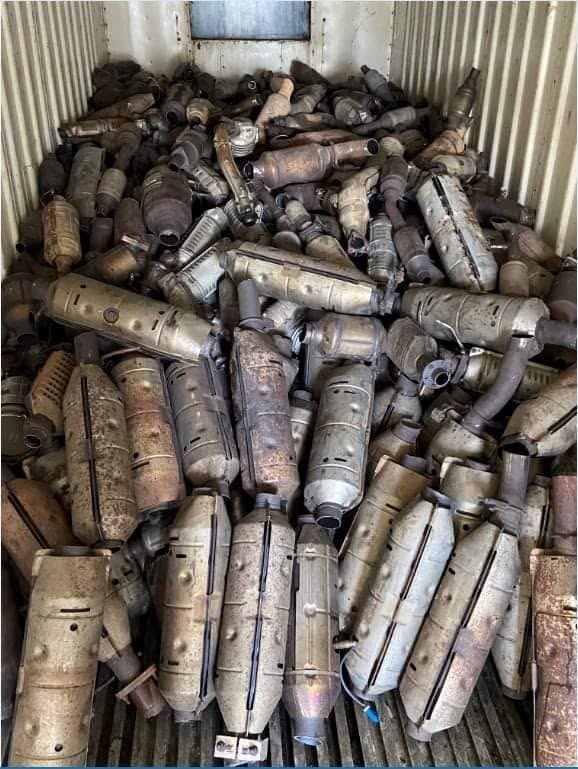
Catalytic Converter Scrap Supplier, Catalytic Converter Scrap for Sale, , Catalytic Converter Scrap, Catalytic Scrap for Sale, Catalytic Scrap Supplier, Scrap Catalytic Supplier |
Seller: Trucont LLC |
At Trucont LLC, we have ongoing Catalytic converter scrap available for immediate loading and shi... |
|
|
Epimedium Extract |
Seller: Xi'an Yuensun Biological Technology Co., Ltd. |
Product Name: Epimedium ExtractLatin Name: Epimedium Sagittatum Maxim.Specification: Icariin 5%, ... |
|
|
Pumpkin Powder |
Seller: Xi'an Yuensun Biological Technology Co., Ltd. |
Product Name: Pumpkin PowderLatin Name: Cucurbita pepo L.Used Part: FruitAppearance: yellow fine ... |
|
|
Broccoli Powder |
Seller: Xi'an Yuensun Biological Technology Co., Ltd. |
Product Name: Broccoli powder
Latin Name: Brassica oleracea L.var.italic Planch.
Used Part: Who... |