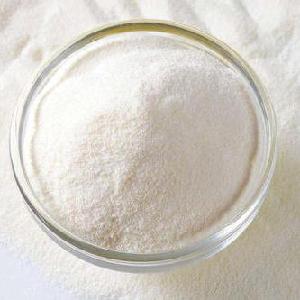
L-Methionine in Animal Feed Additive


L-Methionine in Animal Feed Additive Applications L-Methionine is one of the most critical nutritional additives in animal husbandry, as monogastric animals (poultry, swine, aquatic species) cannot synthesize it endogenously, and ruminants have limited synthesis capacity. Its applications focus on improving growth performance and feed efficiency: Poultry Feed: Widely used in chicken, duck, and turkey feed. Supplementation (0.1%–0.3% of the diet) enhances weight gain, improves feed conversion ratio (FCR), increases egg production and eggshell quality in laying hens, and reduces mortality. For broilers, L-Methionine promotes muscle growth and lean meat percentage, while in breeders, it supports reproductive performance. Swine Feed: Added to piglet, grower, and finisher diets to improve daily gain, reduce FCR, and enhance carcass quality (e.g., increased lean meat percentage, reduced fat content). Piglets, in particular, require adequate L-Methionine to cope with weaning stress and support intestinal development. Aquatic Feed: Essential for fish (salmon, tilapia, carp) and shrimp feed. It promotes growth, improves feed utilization, enhances disease resistance, and maintains the quality of fish muscle. In plant-based aquatic feeds (replacing fish meal), L-Methionine fortification balances the amino acid profile, ensuring optimal growth performance. Ruminant Feed: Used in dairy cow and beef cattle feed to improve milk production, milk protein content, and weight gain. It supports rumen microbial metabolism and enhances the utilization of dietary nutrients.
Other supplier products
|
|
Inositol |
Inositol is widely applied in beverages, cereal products, nutritional meal replacements and protein solid drinks as a high‑safety nutritional forti... |
|
|
Glycine |
The main physiological functions of Glycine1. Synthesis of proteinsGlycine is one of the basic units that constitute the majority of proteins and i... |
|
|
Glycine |
Glycine is the simplest type of α-amino acid and is the only natural amino acid without a chiral carbon atom. Its molecular formula is C₂H₅NO... |
|
|
L-Threonine |
While not a primary preservative, L-threonine can: Improve the stability of proteins and enzymes in processed foods, reducing degradation. Act as a... |
|
|
Inositol as an important nutritional fortifier in food |
Inositol is used as an important nutritional fortifier in food. As a natural vitamin‑like nutrient, it can supplement daily physiological nutrients... |
供应产品
Same products