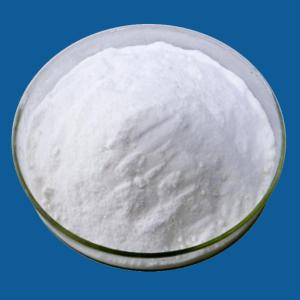
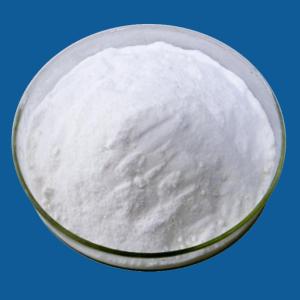
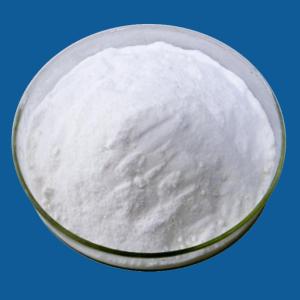
Cystine Disodium Salt
Cystine Disodium Salt, systematically named disodium (R,R)-3,3'-dithiobis(2-aminopropanoate), is an ionic derivative of L-cystine formed by neutralizing the two carboxyl groups of L-cystine with sodium hydroxide. Its chemical properties are determined by three core structural features: the ionic carboxylate groups, the primary amino groups, and the intramolecular disulfide bond (-S-S-). These functional groups endow the compound with distinct reactivity in acid-base reactions, redox reactions, and peptide synthesis, making it widely applicable in pharmaceuticals and nutritional science.
Other supplier products
|
|
L-Cystine dihydrochloride |
L‑Cystine dihydrochloride is the dihydrochloride salt form of L‑cystine, a sulfur‑containing amino acid dimer. It is widely used in cell culture, b... |
|
|
L-Cystine dihydrochloride Manufacturer |
Chemical Structure
L‑cystine is formed by oxidative dimerization of two L‑cysteine molecules via a disulfide bond (‑S‑S‑).
The dihydrochloride ... |
|
|
L-Cystine dihydrochloride Purchase price |
L-Cystine dihydrochloride in Cosmetics & Personal Care IndustrySkin conditioning and anti-aging ingredientPromotes collagen synthesis, reduces ... |
|
|
L-Alanyl-L-Tyrosine |
Product Name: L-Alanyl-L-Tyrosine CAS Number: 3061-88-9 Molecular formula: C12H16N2O4 Molecular weight: 252.27 EINECS number: 221-305-7 Appearance:... |
|
|
Bulk supply Glycyl-glycine |
As a model dipeptide, glycyl-glycine is widely used to investigate peptide transport mechanisms in biological systems, such as: Intestinal absorpti... |
All supplier products
Same products