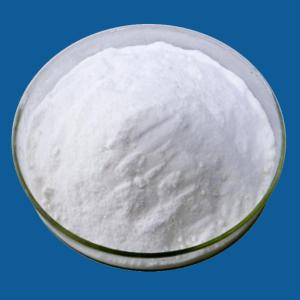
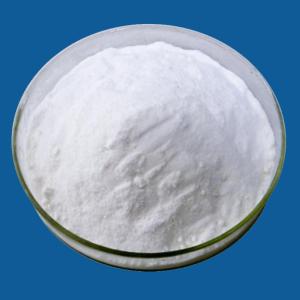
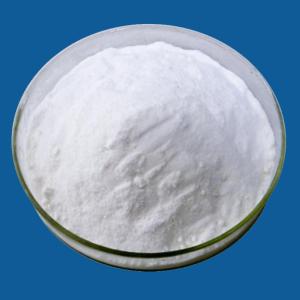
Cystine Disodium Salt
Cystine Disodium Salt, systematically named disodium (R,R)-3,3'-dithiobis(2-aminopropanoate), is an ionic derivative of L-cystine formed by neutralizing the two carboxyl groups of L-cystine with sodium hydroxide. Its chemical properties are determined by three core structural features: the ionic carboxylate groups, the primary amino groups, and the intramolecular disulfide bond (-S-S-). These functional groups endow the compound with distinct reactivity in acid-base reactions, redox reactions, and peptide synthesis, making it widely applicable in pharmaceuticals and nutritional science.
Other supplier products
|
|
BOC-L-GLU(ME)-OME |
As a standard Boc-protected glutamate derivative, BOC-L-GLU(ME)-OME is a key raw material for solid-phase / liquid-phase peptide synthesis. Its &al... |
|
|
BOC-L-GLU(ME)-OME |
The chiral center and multi-functional group characteristics of BOC-L-GLU(ME)-OME make it an important raw material for synthesizing chiral ligands... |
|
|
L-Cysteine S-Sulfate Na |
Density and Bulk Properties of L-Cysteine S-Sulfate Na Crystal density: The crystal density of the purified product is approximately 1.65–1.7... |
|
|
Glycylglycine |
Glycylglycine (GG) is a simple dipeptide consisting of two glycine amino acids linked by a peptide bond. Glycine, being the smallest amino acid, is... |
|
|
Wholesale |
Due to glycyl-glycine's amphoteric nature (containing both amino and carboxyl groups), glycyl-glycine acts as a physiological buffer in biological ... |
供应产品
Same products