L-Cysteine hydrochloride monohydrate
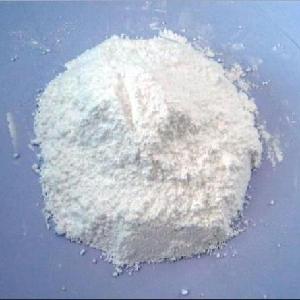
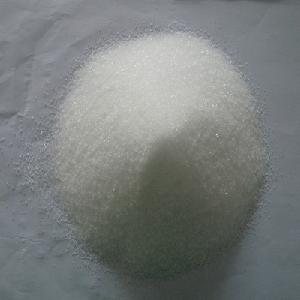
Chemical Structure and PropertiesMolecular FormulaChemical Formula:C3H7NO2S· HCl· H2O Molecular Weight: Approximately 175.64 g/molStructure: Composed of L-cysteine (an amino acid with a thiol group,−SH) bound to a hydrochloric acid (HCl) molecule and a water molecule (monohydrate). The thiol group is crucial for its redox properties. Physical CharacteristicsAppearance: White to off-white crystalline powderSolubility: Highly soluble in water (due to the ionic nature of HCl salt), slightly soluble in ethanol, insoluble in organic solventsOdor: May have a faint sulfurous smell (due to the thiol group), though the HCl salt form reduces volatilitypH: Aqueous solutions are acidic (pH ~ 1.5–2.5) due to the hydrochloric acid component
Other supplier products
|
|
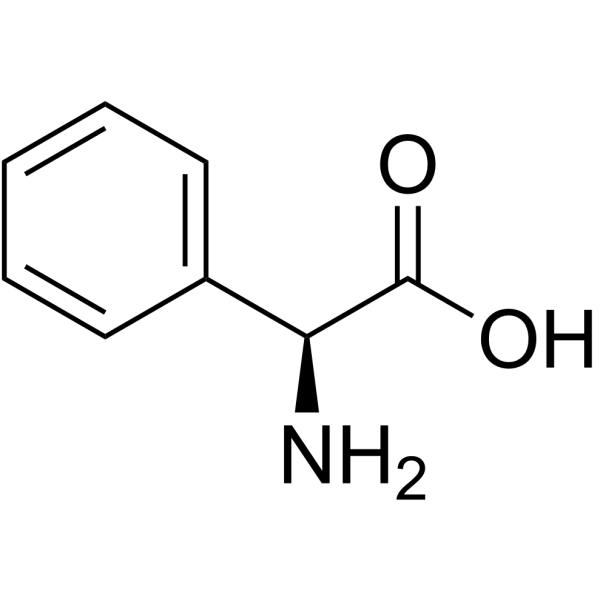
DL-Alanine Raw Material |
DL-Alanine is not naturally abundant in living organisms (most life forms primarily use L-Alanine as a building block for proteins). It is mainly p... |
|
|
L-proline Bulk supply |
The physiological functions and applications of L-proline1. Functions within living organismsCollagen synthesis: As the main component of collagen ... |
|
|
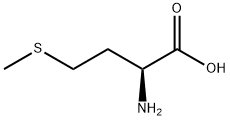
DL-methionine Exporter |
The chemical stability of DL-methionine is affected by factors such as pH, temperature, light, and oxidants, which directly determine its storage c... |
|
|
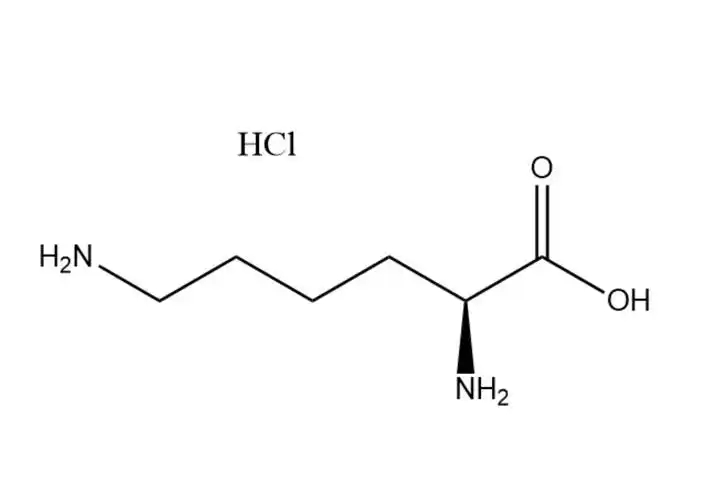
L-Lysine monohydrochloride Partners, long-termCooperation |
The most prominent performance advantage ofL-Lysine monohydrochloride is its optimized physical and chemical properties that eliminate the critical... |
|
|
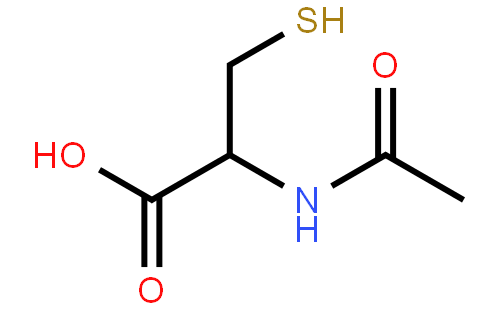
High quality N-Acetyl-L-Cysteine |
N-Acetyl-L-Cysteine, often abbreviated as NAC, is a derivative of the amino acid cysteine. Here is a detailed introduction:
Basic Information
Chem... |
All supplier products
Same products