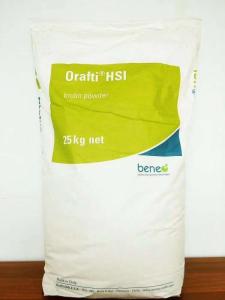
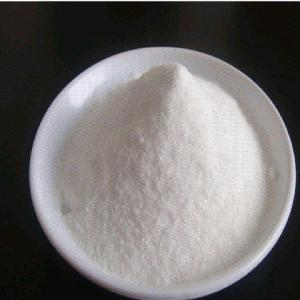
L-Cysteine hydrochloride monohydrate
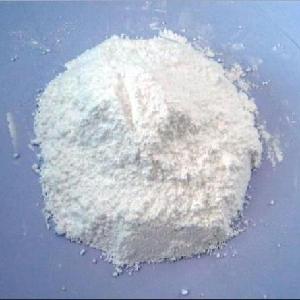
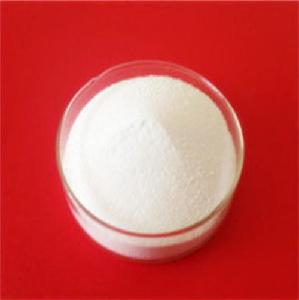
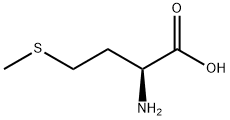
Chemical Structure and PropertiesMolecular FormulaChemical Formula:C3H7NO2S· HCl· H2O Molecular Weight: Approximately 175.64 g/molStructure: Composed of L-cysteine (an amino acid with a thiol group,−SH) bound to a hydrochloric acid (HCl) molecule and a water molecule (monohydrate). The thiol group is crucial for its redox properties. Physical CharacteristicsAppearance: White to off-white crystalline powderSolubility: Highly soluble in water (due to the ionic nature of HCl salt), slightly soluble in ethanol, insoluble in organic solventsOdor: May have a faint sulfurous smell (due to the thiol group), though the HCl salt form reduces volatilitypH: Aqueous solutions are acidic (pH ~ 1.5–2.5) due to the hydrochloric acid component
Other supplier products
|
|
L-Methionine |
As one of the nine essential amino acids, L-Methionine is a core building block for protein synthesis, serving two critical purposes: It acts as th... |
|
|
DL-Methionine |
Hygroscopicity and Bulk Properties of DL-MethionineHygroscopicity: DL-methionine has weak hygroscopicity. Under ambient conditions (25 °C, rela... |
|
|
L-Cysteine hydrochloride monohydrate |
Handling and Storage Practices1. Sealing After UseImmediate Re-Sealing: After opening, remove the required amount quickly and re-seal the container... |
|
|
Inulin Powder Supplier |
Product Introduction Inulin powder, derived from Jerusalem artichoke or chicory, is a natural fructooligosaccharide consisting of a fructose comple... |
|
|
Sucralose Purchase price |
Sucralose, as a high-sweetness, calorie-free, and highly stable artificial sweetener, enjoys wide application in various fields such as food, bever... |
供应产品
Same products